
The race for the U.S. Senate in Alaska has taken an unusual turn with Dan J. Sullivan Jr. advancing to the general election. Sharing a name with the incumbent, Sen. Dan S. Sullivan, R-Alaska, has brought added complexity to the upcoming November contest. The Associated Press confirmed his advancement alongside Sen. Sullivan and former Rep. Mary Peltola, D-Alaska. Alaska still waits to announce the fourth candidate.
Dan J. Sullivan Jr.’s presence in the election offers a unique challenge for Republican strategists. They face the task of distinguishing the two candidates named Sullivan and guiding voters on their choices. The general election will incorporate ranked-choice voting (RCV), a system that could further complicate voter decisions. Under RCV, voters rank candidates by preference; if their top choice is eliminated, their vote transfers to their next preference. Supporters argue RCV enhances voter influence. But critics, like Sen. Sullivan, believe it creates confusion. “I believe this new system has confused voters unnecessarily,” Sen. Sullivan said in local media interviews in 2024.
This confusion has been exacerbated by the second Sullivan’s emergence. Sullivan Jr., an independent candidate, was one of 16 on the primary ballot, garnering 2.5% of the vote. Despite not presenting specific political stances, his campaign capitalized on the shared name. “Dan Sullivan challenges Dan Sullivan for U.S. Senate Seat,” read his campaign materials, urging voters to choose him.
Adding to the intrigue, Amber Lee, a progressive consultant linked to former congresswoman Peltola, helped craft Sullivan Jr.’s campaign messaging. Some Republicans suspect the dual candidates aim to dilute votes via RCV. Alaska state Sen. James Kaufman expressed concerns about voter confusion, particularly among traditionalists. “Some Alaskans, especially Republicans, reject the RCV system,” Kaufman stated, citing a preference for traditional voting methods.
Despite these concerns, both Sullivans and Peltola have secured their spots for the November 3 general election. The race promises to be closely watched as voters navigate the challenges posed by the name overlap and RCV system.
 Former Swimmer Criticizes Virginia Governor’s Decision on Female Sports Regulation
 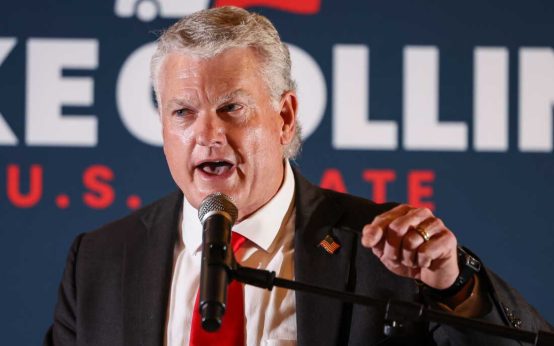 Georgia’s Senate Race Highlights GOP Divide on 2020 Election Claims
  Debate Over Data Centers Sparks Political Divides in American Communities
  Chancellor Merz Faces CDU’s Worst Election Results Amid Rising Far-Right Gains
 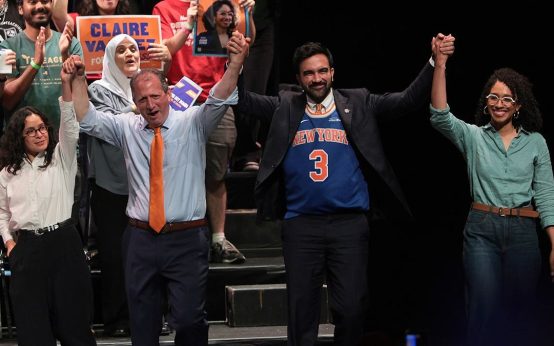 Lara Trump Discusses Democratic Party’s Socialist Influence
 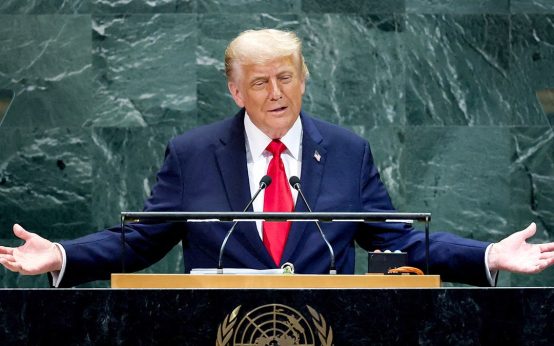 UN General Assembly: Global Leaders Seek Influence Amid International Conflicts