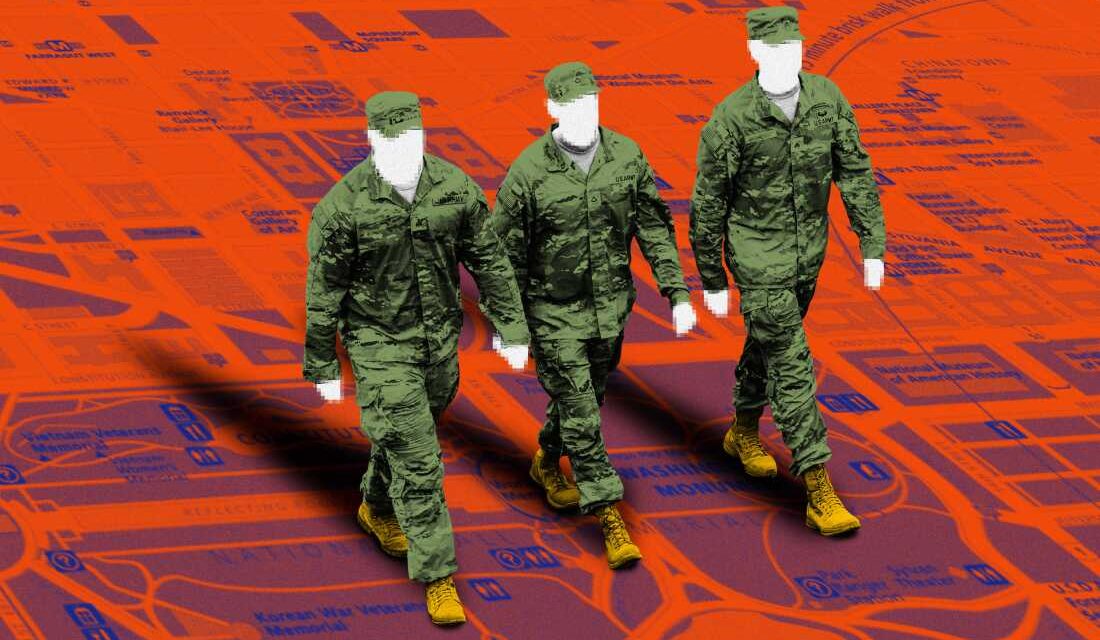
For over a year, thousands of National Guard members have patrolled the streets of Washington, D.C. in what is President Trump’s largest and longest domestic military deployment. Their presence has been a common, controversial topic among D.C. residents and experts, raising concerns about the normalization of armed troops in the city for an extended time.
Members of the military are prohibited from speaking to the press without authorization. However, some guards are more open about their experiences as the deployment extends to the end of Trump’s term. One guard member expressed embarrassment over the mission, feeling it differs from previous domestic deployments. Citing the D.C. Safe and Beautiful mission, guards shared their thoughts on the evolving norms this deployment creates.
The cost is expected to run into the billions, worrying guards that Trump’s use of troops is harming the National Guard’s reputation with the American public.
Some guards doubt the administration’s justification for deployment—to assist with law enforcement amidst a supposed crime emergency despite a 30-year low in violent crime. They feel the guard is being exploited politically, like patrolling the Reflecting Pool perimeter after a faulty renovation.
NPR reached out to the White House and the D.C. Joint Task Force. The White House highlighted D.C.’s safety, without directly linking the guard’s presence to reduced crime. Brig. Gen. Leland Blanchard II praised the guard’s contributions, such as aiding law enforcement, providing medical assistance, and reuniting lost children with families.
Initial Deployment
Trump first deployed the D.C. National Guard in August 2025. Hundreds of guards left civilian jobs for immediate duty. Some members felt shocked by the nature of the deployment, sensing an authoritarian approach uncharacteristic of the U.S. In the following weeks, Republican governors sent guard members to assist, raising further questions about the mission’s specifics.
Guards recalled early confusion over their roles upon arrival. Troops deputized as special law enforcement arrived amid the chaos, striving for community usefulness. Initially tasked with beautification projects, the Guard’s efforts included countering opioid overdoses and managing traffic accidents. Despite unclear goals, members showed dedication.
Over time, their roles transitioned from beautification to crime deterrence patrols—a routine some described as mundane or monotonous. One member likened these patrols to War on Terror tactics, intended for goodwill and opposition monitoring.
Questioning Effectiveness
Two recent studies concluded the Guard’s presence has no impact on violent crime, slightly reducing opportunistic crimes such as theft. Local policing offers better outcomes at a lower cost.
Most of the 4,700 deployed guard members are volunteers from Republican-led states or territories. Despite concerns, they sought financial benefits amidst a challenging economy. Deployment offered perks like good pay, per diems, and improved retirement benefits.
An extended hotel stay contrasted with domestic deployments, prompting a $300 million federal contract for luxury apartments. Guards noted elected officials aimed to improve troop conditions rather than questioning their presence.
Estimates suggest a daily cost of $3 million. Extending to 2029 may add $1.4 billion, totaling around $3.4 billion, according to the Project on Government Oversight.
Consequences and Concerns
The deployment has human costs, highlighted by the shooting of two West Virginia guards last November near the White House. The incident left 20-year-old Sarah Beckstrom dead, raising questions about the deployment’s necessity.
The shooting prompted emotional and logistical challenges among guards. Questions persisted about risk management and planning efficacy.
Rising anti-Guard sentiment continues, with signs and protests opposing their presence. All guards acknowledged the impact on the National Guard’s reputation, fearing a negative rebranding.
Concerns about the mission’s trajectory persist, with uncertainty around checks and balances preventing such deployments.
 The Impact of Arts and Closure on Democracy
 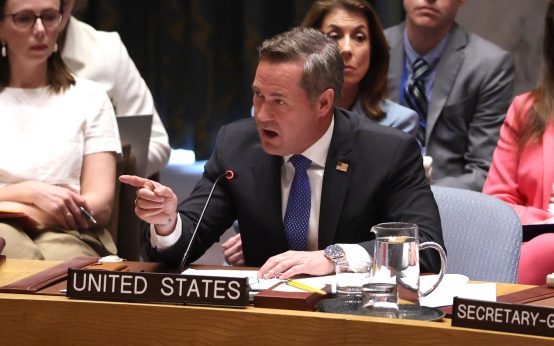 U.S. Ambassador Comments on Iran War Duration Amid Political Concerns
 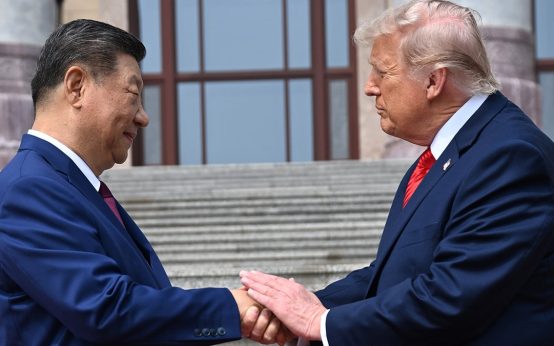 US-China Relations Under Scrutiny: Expert Warns of Escalating Tensions
  No Timeline for End of Iran Conflict
 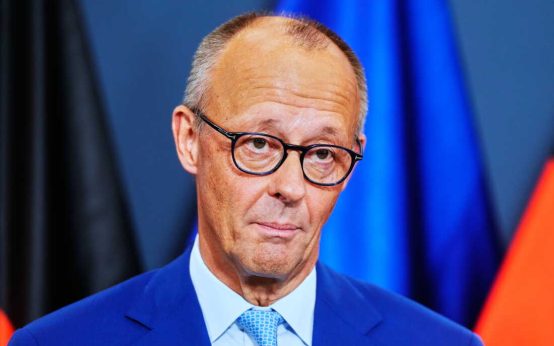 German Chancellor Merz Vows to Pursue Reforms Despite Election Setbacks
 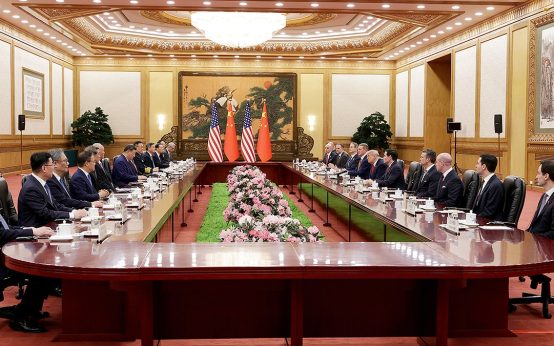 The Technology Rivalry: Trump’s Meeting with Xi and the AI Ecosystem Clash