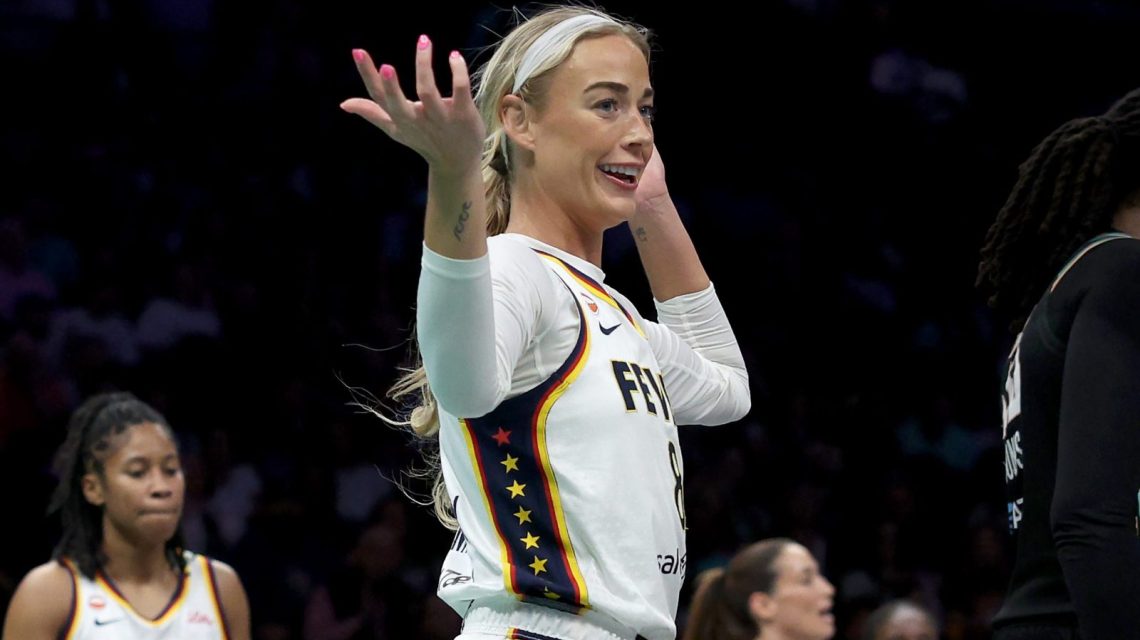
Indiana Fever player Sophie Cunningham has recently become the focus of significant debate due to her comments on transgender athletes in women’s sports. Speaking to ESPN in March, Cunningham clarified her stance after receiving backlash: “I got a lot of negative feedback about me hating trans,” she noted. “And I’m like, ‘I never once said that.’ I think that I am here to extend love. But I also think with that love is truth, being honest. And I want to protect young girls in a locker room, or young girls in sport who shouldn’t have to go against biological men.”
Following the resurgence of these remarks, the WNBA has turned into a platform for wide-ranging opinions about transgender rights. Some supporters express solidarity with Cunningham’s views, while others oppose them.
Recent reports indicate the WNBA has requested fans to cover messages related to chromosomal identities on shirts but has permitted apparel with slogans like “Protect Trans Kids,” stirring discussions on social media.
Protests by fans, both supporting and criticizing Cunningham, have increased at games, particularly during those she participates in. Many WNBA owners and coaches have publicly distanced themselves from her statements.
WNBA teams have also started to articulate their stance. The New York Liberty recently used a game as an opportunity to broadcast messages countering Cunningham’s views. During their 109-102 victory over the Fever, messages on the jumbotron celebrated inclusion, saying, “Hey trans fans! Glad you’re here! Go Liberty!” and “Welcome Trans Liberty fans! You are loved and you belong!”
The issue of transgender participation in the WNBA has become a poignant topic. Notably, two former NBA players, including Enes Kanter Freedom, have announced their intention to enter the 2027 WNBA draft.
Amid these discussions, WNBA team presidents convened to address league eligibility rules. The current terms in the collective bargaining agreement specify that “only players who are women are eligible to play in the WNBA,” but do not clarify if this includes only those assigned female at birth.
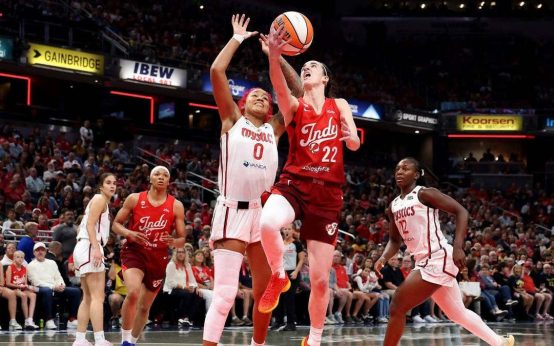 Indiana Fever’s Struggles Against Washington Mystics
 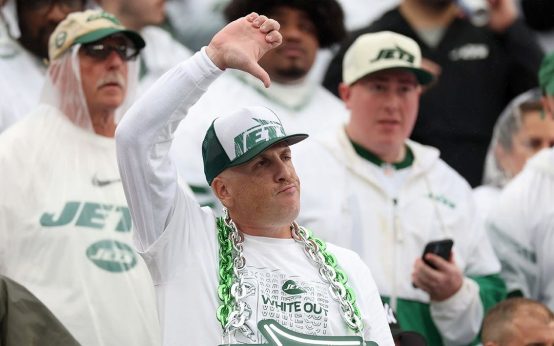 New York Jets Fall to Green Bay Packers After Fourth-Quarter Collapse
 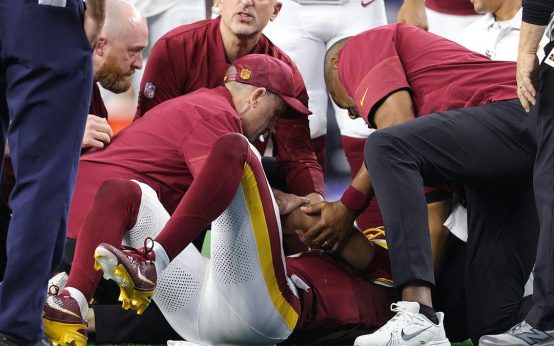 Washington Commanders’ Jayden Daniels Faces Potentially Season-Defining Elbow Injury
 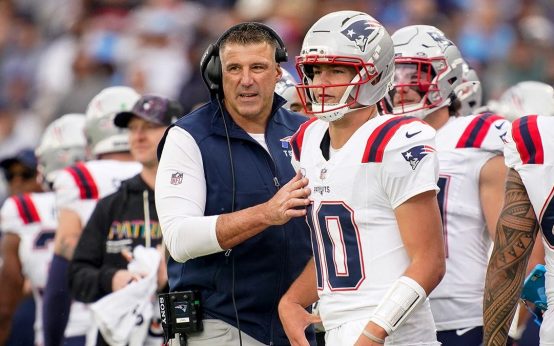 Patriots Secure Win Against Steelers Amid Quarterback Questions
 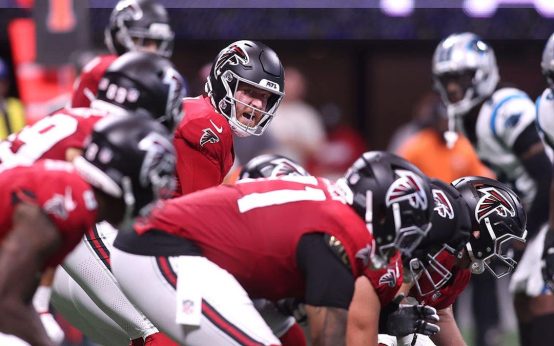 Atlanta Falcons’ Quarterback Struggles Continue
 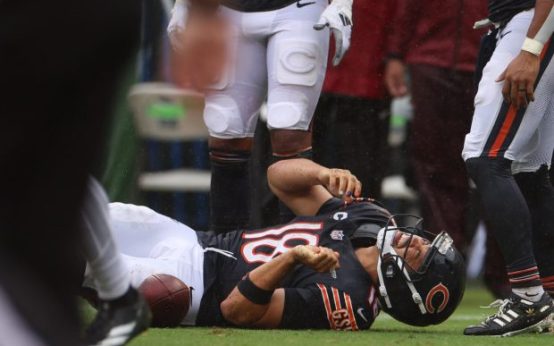 Caleb Williams Suffers Injury During Game Against Vikings