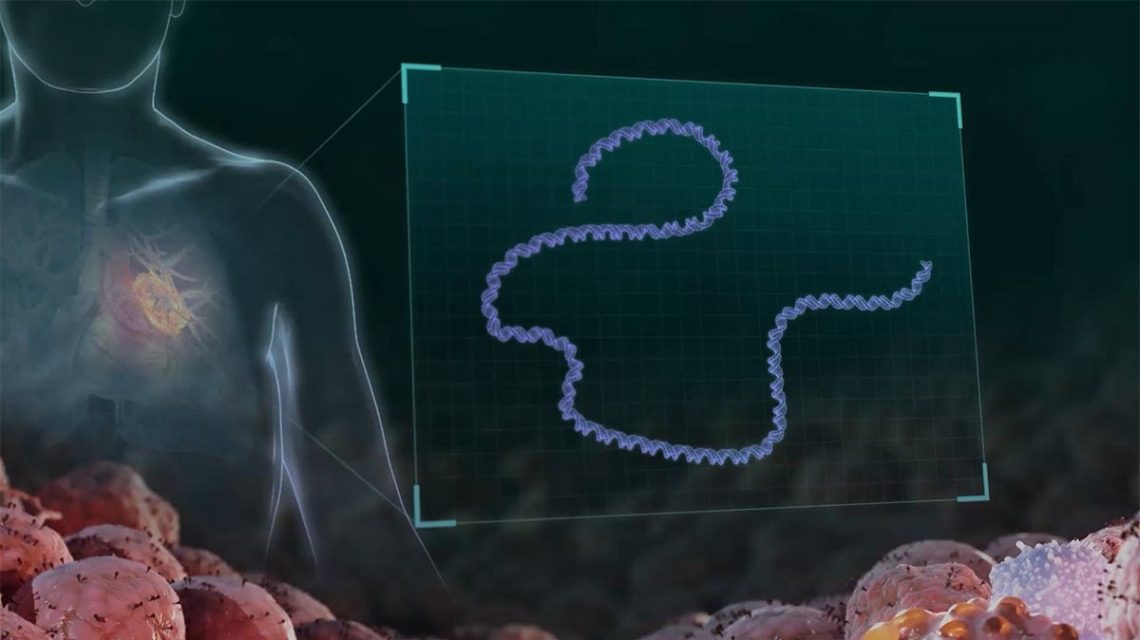
An experimental skin cancer vaccine has shown promise in reducing the risk of melanoma returning or spreading, according to a late-stage clinical trial conducted by Merck and Moderna. This trial is notable as the first successful Phase 3 trial of an mRNA-based personalized cancer therapy.
Trial Details
The study, known as INTerpath-001, involved 1,137 patients worldwide who had undergone surgery to remove high-risk melanoma. Participants were randomly divided into two groups: one received Keytruda plus the personalized vaccine, and the other received Keytruda and a placebo. Results indicated that those receiving the combination had better ‘recurrence-free survival’ rates, meaning their cancer was less likely to return compared to those treated with Keytruda alone.
Study Outcomes
Beyond reducing recurrence, the combination treatment also improved ‘distant metastasis-free survival,’ which measures the time patients live without the cancer spreading to other body parts.
The study marked a key moment in cancer research, moving toward personalized cancer treatments using mRNA technology.
This study represents a step forward in personalized cancer treatment, transforming the potential of mRNA from an aspiration to reality.
Mechanism of the Personalized Vaccine
Unlike traditional vaccines that guard against external viruses, this mRNA vaccine helps the body target any remaining cancer cells post-surgery. Surgeons collect cancerous and healthy tissue samples. Advanced algorithms then select up to 34 tumor-specific neoantigens to encode in the vaccine, tailoring it to the individual’s cancer profile.
Dr. Murad Alam from Northwestern Medicine highlights that not all melanomas are alike, explaining why standard chemotherapies often fail. This vaccine approach identifies and targets precise cancer issues, effectively focusing only on cancer cells.
Future Steps
Merck and Moderna plan to engage with global regulatory bodies, including the U.S. FDA, for potential treatment approvals. Future tests will explore its application against other tough-to-treat cancers like lung and kidney cancers.
While initial results are promising, they primarily relied on investigator assessments for recurrence-free survival rates. The long-term cancer-free duration remains undisclosed, and it isn’t yet confirmed if the treatment extends overall patient survival time.
Safety and Side Effects
The side effects were consistent with past studies, showing no new safety issues. Side effects were generally mild and included fatigue, chills, and injection site pain. This contrasts with the often severe effects of conventional cancer treatments.
 Impact of Daily Habits on Blood Sugar Levels
  NFL Agent Leigh Steinberg Discusses Jalen Hurts’ Health Situation and League Implications
  Addressing Menopause: A Long Overdue Congressional Hearing
  GSK and Cognizant’s Approach to Automating Drug Safety
  The Health Impacts of Vaping Highlighted by Selena Gomez’s Experience
  Brain Games and Their Effectiveness