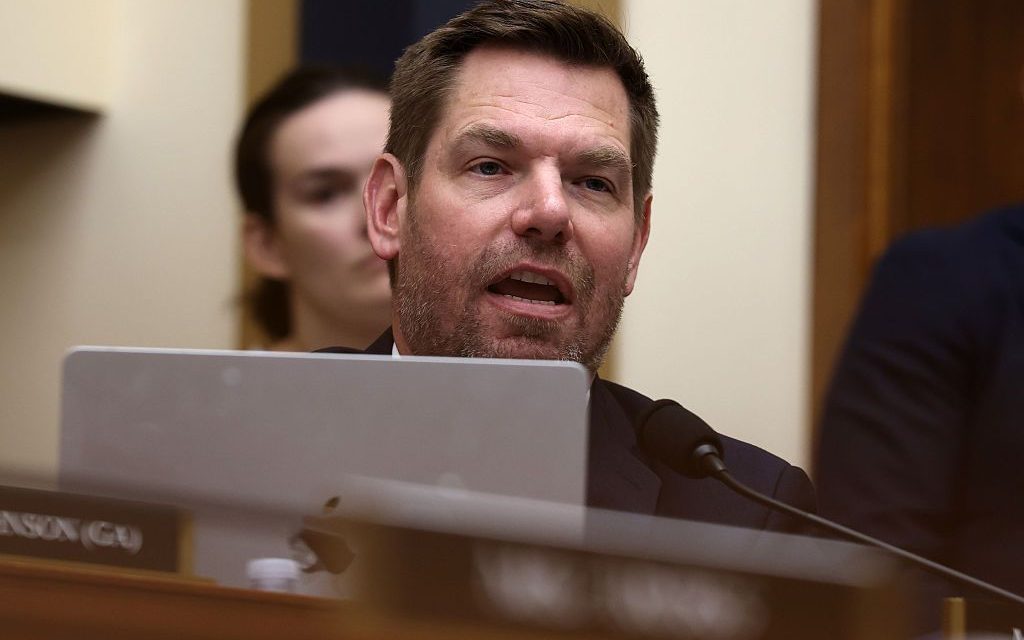
Federal agents conducted extensive searches on former Democratic Rep. Eric Swalwell over the weekend. They first seized his electronics at San Francisco International Airport, then searched his Washington, D.C. home. These actions are part of a broadening federal investigation into sexual assault allegations against him.
The situation marks a significant development in the investigations following public accusations against Swalwell. The raids add to the scrutiny he faces, with ongoing inquiries also in Manhattan and Los Angeles. Federal agents are now collecting evidence that may influence the next steps in the case.
According to information from CNN, agents confiscated several electronic devices across the two-day operation. Three women who have accused Swalwell confirmed their communication with the FBI to CNN. Newsweek has sought comments from Swalwell, his attorney, and the FBI.
Airport Confrontation and Seizure of Electronics
Agents approached Swalwell at San Francisco International Airport shortly after his arrival on Saturday. They served a search warrant and swiftly took possession of his cellphone and other electronic devices. Sources, as reported by The New York Post, indicated that the encounter was straightforward and non-confrontational, with Swalwell cooperating. The Daily Mail first reported the airport operation as the first public indication of federal investigators actively securing potential digital evidence.
Confiscating electronics at an airport, as opposed to during a planned interview or home search, indicates investigators believed the devices likely contained time-sensitive or mobile evidence. Digital materials frequently play a critical role in sexual misconduct investigations, especially when allegations involve communication, images, or recordings.
What Investigators Took: Full List of Confiscated Items
According to sources, agents seized a variety of electronic devices from Swalwell. Although the warrants are sealed, multiple outlets confirmed the seized items, including:
- Cellphone
- Multiple laptops
- Tablets and personal electronics
- USB drives and external storage devices
- Additional digital media gathered from his D.C. home
The wide scope of confiscated materials suggests that investigators are looking into both personal and professional communications. They aim to examine interactions with accusers, staff, and associates. Devices collected from the airport and home will undergo forensic analysis, which can recover deleted files, metadata, location history, and encrypted communications. This evidence can become crucial in sexual assault cases, particularly when they involve digital interactions or documentation.
This story is developing. More updates will follow.