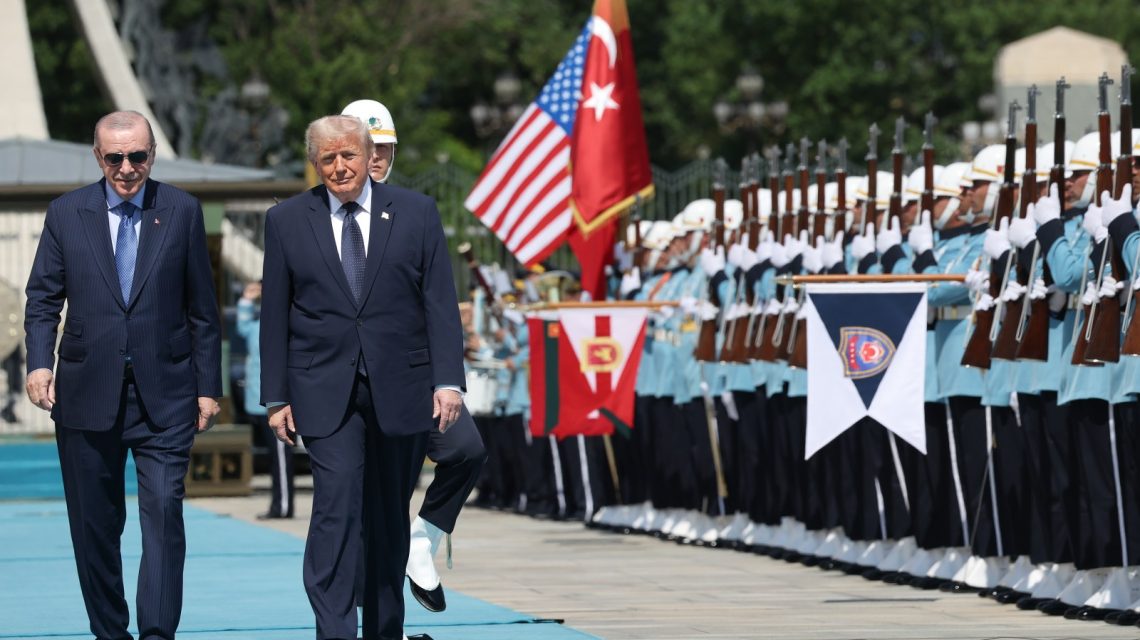
Tensions between U.S. President Donald Trump and Israeli Prime Minister Benjamin Netanyahu are escalating amidst a broader geopolitical shift. An Israeli strike on Syria’s Abu al-Duhur Air Base in Idlib, which had recently hosted a Turkish military delegation, has increased discord. Ankara condemned the attack, heightening tensions between the U.S., Israel, and Turkey.
Netanyahu accused Syria of violating security understandings by allowing Turkish troops near Aleppo. The Turkish government refuted these claims, arguing Israel’s actions undermine Syrian sovereignty. The U.S. also voiced disapproval, with Special Envoy Tom Barrack criticizing the escalation.
The rift between the U.S. and Israel has become more apparent, especially as Trump has not endorsed Netanyahu ahead of upcoming elections. Analyst Brian Katulis noted both leaders are politically vulnerable, facing domestic challenges that are straining their positions.
Trump’s Balancing Act
Trump has maintained good relations with both Erdogan and Netanyahu. However, his approach has evolved, with increased support for Turkey and Syria under President Ahmad al-Sharaa. This has led to tension with Israel, especially over strikes supporting Druze militias against Syrian forces.
After a NATO summit, Trump announced plans to lift restrictions on F-35 sales to Turkey, defying Netanyahu’s protests. Despite tensions, Trump and Netanyahu have aligned on actions against Iran, though differences persist.
Emerging Alliances
The region is witnessing new alliances, such as the Mecca Pact, a defense agreement between Turkey, Saudi Arabia, and Pakistan. This development counters the influence of Iran’s Axis of Resistance and challenges Israel’s network of alliances, including the UAE, India, Greece, and Cyprus.
Analyst Ali Burak Daricili highlighted that Turkey’s movement towards this pact aims to balance Israel’s regional actions. The agreement also limits Iran’s regional influence.
Potential Conflicts
There is concern about a direct conflict between Israel and Turkey. Daricili believes the U.S. will work to prevent this, suggesting a deconfliction mechanism between the two countries. Turkey will likely act cautiously as it awaits the outcome of the Israeli elections, hoping for a pragmatic Israeli government.
Netanyahu’s Position
Netanyahu’s administration is described as aggressive, unlike previous Israeli leaderships. Tensions with Erdogan are intensifying in Israel, which views Turkey as a greater threat than Iran. However, despite aggressive policies, any conflict with Turkey could be strategically disadvantageous for Israel.
Netanyahu remains mindful of U.S. influence. Trump’s leverage ensures that certain escalatory plans do not materialize, knowing the potential ramifications of any Israeli-Turkish conflict.
 Efforts to Free American Teacher Held in Russia
  Escalating Conflict Prompts U.S. Warnings in Middle East
  British Police Arrest Suspects in Alleged Iranian Plot
 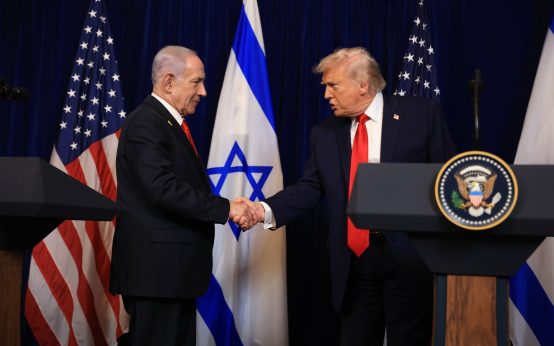 Trump’s Influence in Israeli Elections and Netanyahu’s Political Future
 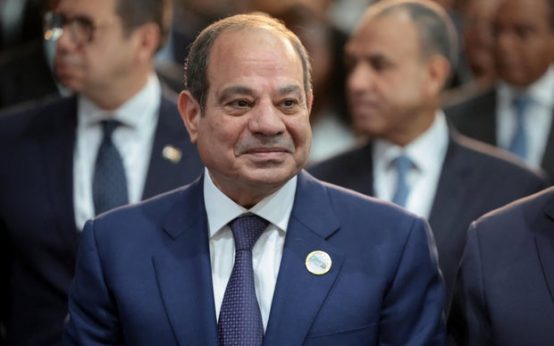 Egyptian Parliament Weighs Authorization for Military Support to Saudi Arabia
 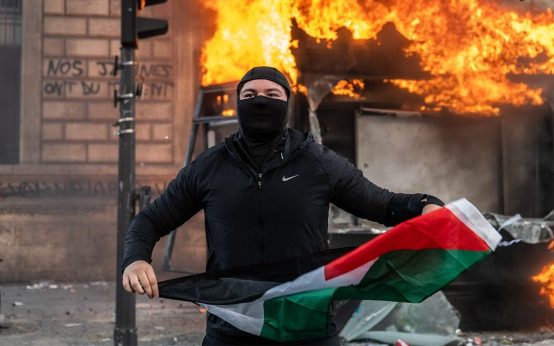 France Implements Curfews to Tackle Riots