Current West Nile Virus Situation
Recent data from the U.S. Centers for Disease Control and Prevention (CDC) shows that West Nile virus cases have emerged in 32 states this year. By August 18, the CDC’s ArboNET surveillance system documented 222 human cases of the disease nationwide. Among these, 156 were neuroinvasive, the most severe form affecting the brain and nervous system.
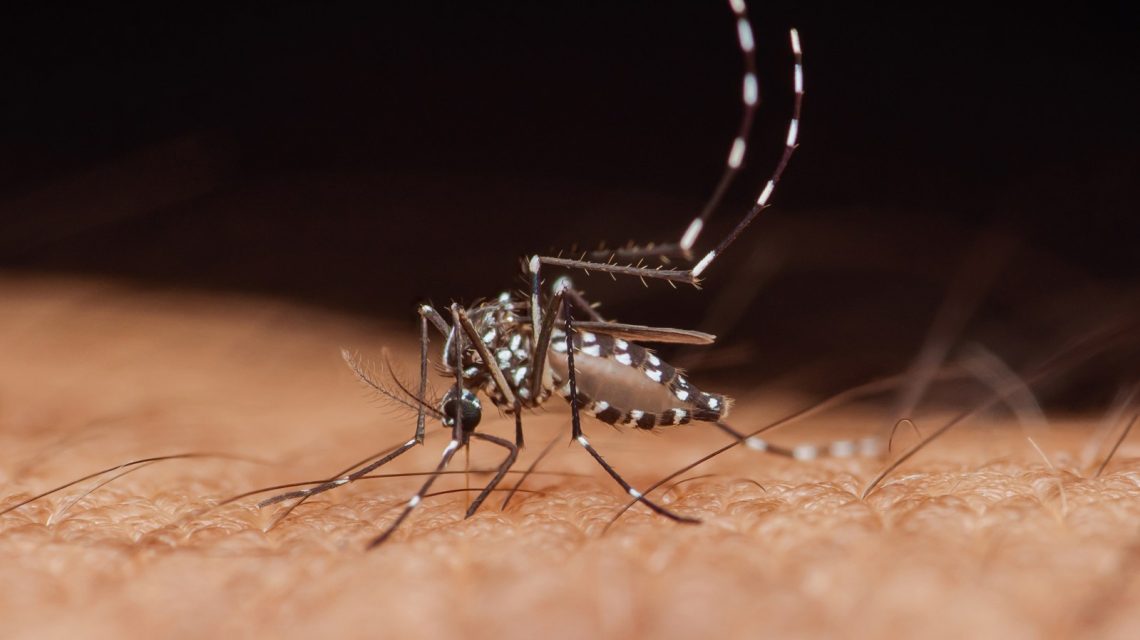
The CDC’s map illustrates extensive non-human activity. The virus has been detected in mosquitoes, birds, and other animals, suggesting broader circulation than the human cases reported so far. Health officials emphasize that West Nile virus activity peaks in late summer and early fall. Although most infections are asymptomatic, they can lead to severe illness, hospitalization, and death. So far, there have been eight reported deaths: five in Arizona and three in California.
Reported Cases by State
CDC data indicates Arizona leads with 76 reported cases, followed by Texas with 31 and California with 29. There are 18 states, largely in the Midwest, Mid-Atlantic, and Northeast, without reported cases yet. Alaska and Hawaii also report no cases.
Preventive Measures Against West Nile Virus
Without a public vaccine or specific antiviral treatment, prevention is vital. The CDC suggests:
- Using EPA-registered insect repellents.
- Wearing long sleeves and pants when mosquitoes are active.
- Ensuring intact window and door screens.
Reducing mosquito habitats involves eliminating standing water around homes. Items like flower pots, bird baths, and clogged gutters should be regularly emptied or refreshed to curb mosquito breeding.
Symptoms of West Nile Virus
Most infections show no symptoms. The CDC estimates around 80% of those infected remain symptom-free. About 20% experience West Nile fever, including fever, headache, body aches, joint pain, vomiting, diarrhea, and rash.
In rare cases, the virus causes severe neurological disease with symptoms like high fever, severe headache, neck stiffness, confusion, and paralysis. While less than 1% develop neuroinvasive disease, hospital care might be necessary, with possible long-term effects. Roughly 10% of severe cases result in death.
Risk Factors
People in or traveling to areas with active West Nile virus are at risk. Outbreaks have occurred in every contiguous U.S. state since 1999. Older adults face a higher risk of serious complications, particularly those aged 65 and older. Those with weakened immune systems or chronic conditions are also more susceptible.
Geographical Susceptibility
The virus can appear wherever mosquitoes and vulnerable birds exist. Outbreaks are influenced by geography, climate, and mosquito ecology. Warm climates can accelerate viral spread, while areas with suitable habitats, weather, and bird populations often see higher activity.
The CDC warns that a lack of reported cases doesn’t imply safety, as mild cases are often unreported and surveillance varies.
Treatment for West Nile Virus
Currently, no specific treatment exists for West Nile virus. Mild cases receive supportive care like rest and hydration. Severe cases may need hospitalization for fluids, respiratory support, or managing complications. Recovery from neuroinvasive disease varies and may leave long-term neurological issues.
As mosquito season extends, health officials advise caution, with the virus active in numerous states and conditions conducive to further spread.
 Choosing the Best Probiotic Powder for Your Gut Health
  2026 Nobel Prize in Physiology or Medicine Awarded for Optogenetics Research
  The Cost of Grudges and the Power of Forgiveness
  Alan Alda’s Journey Through Career and Health
  Efforts to Combat Obamacare Fraud Intensify
  Potential Link Between Voice Disorders and Dementia Risk