Legislation Aims to Shield Social Security
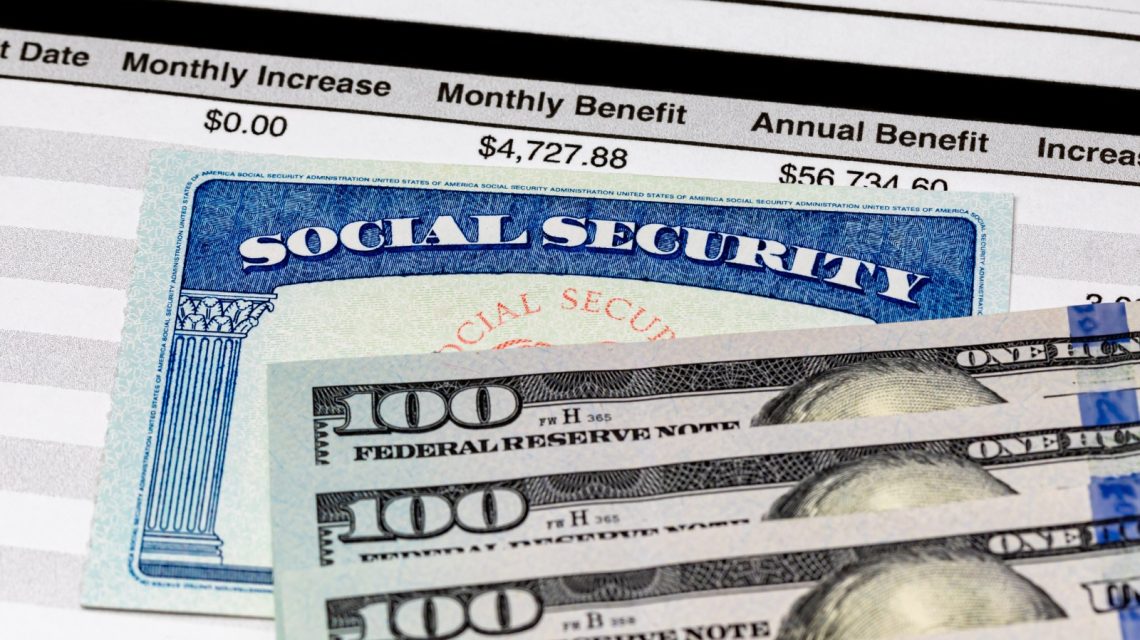
Senator Bernie Sanders has introduced legislation aimed at safeguarding Social Security benefits from seizure due to defaulted federal student loans. The proposed bill, known as the Stop Social Security Garnishment Act of 2026, seeks to prevent federal authorities from offsetting Social Security payments to recover student debt.
Co-sponsored by Democratic Senators Elizabeth Warren and Ed Markey, the measure would amend federal education laws. It aims to ensure that Social Security payments, including those under the Social Security Disability Insurance program, remain untouched in cases of student debt default.
Senator Sanders emphasized the need for protection, saying, “In the richest country in the history of the world, no senior should have their Social Security payments taken away from them to pay back student debt.”
Rising Default Rates and Social Security Impacts
The legislation comes as default rates on federal student loans have soared. According to Federal Student Aid data, roughly 9.5 million borrowers were in default by March 2026. This represents more than one in five federal student loan holders, accounting for $233.3 billion of the total $1.7 trillion in federally backed student loans.
Older Americans are significantly affected, with CNBC reporting that around 9.6 million senior borrowers owe nearly $457 billion. A 2025 Consumer Financial Protection Bureau analysis found that about 452,000 borrowers aged 62 and older had defaulted student loans while likely receiving Social Security benefits.
Collection Powers and Existing Protections
Federal student loans reach default status after 270 days of missed payments. The government has robust collection powers, including Administrative Wage Garnishment, where up to 15 percent of a borrower’s disposable pay can be taken. The Treasury Offset Program can also intercept federal payments, such as tax refunds and certain Social Security benefits.
Current laws do offer some protection. While up to 15 percent of Social Security benefits can be withheld, $750 per month is protected under the statutory threshold—a figure unchanged since the 1990s.
Before pandemic-era suspensions, Social Security offsets were rising. The Consumer Finance Protection Bureau found offsets grew from 6,200 in 2001 to 192,300 in 2019, with amounts reduced averaging $186 monthly.
About 37 percent of 1.3 million Social Security beneficiaries with student loans rely on these benefits for 90 percent of their income. Many reported skipping medical appointments or prescriptions due to costs.
Impact of Recent Changes and Future Prospects
The end of pandemic-related protections triggered a wave of defaults. Federal student loan payments resumed in 2023, followed by a temporary “on-ramp” period. Defaults surged from June 2025, leaping from 5.3 million to 9.5 million by March 2026.
The Biden administration’s SAVE income-driven repayment plan was eliminated, further complicating the landscape. Currently, collections like those targeted by Sanders’ bill are on hold. The Education Department has delayed garnishment and offsets while implementing new repayment options.
Sanders’ bill proposes permanent protection for Social Security from seizure related to federal student loans.
Legislation Status and Next Steps
Announced on August 17, the draft bill awaits a Senate number, indicating it is early in the legislative process. It must pass through the Senate and House before reaching the president for approval.
 Pete Davidson Criticizes NYC Mayor Over Staten Island and Highway Issues
  Scrutiny Over Alberta Separatists’ Alleged Offer to the U.S.
  Political Developments: Debates, Trump Announcement, and Campaign Strategies
  The Canadian Army’s Readiness for Modern Warfare
  Declassified Records Reveal FBI Surveillance of Trump Family Travel
  China’s Naval Expansion and Economic Pressures