
America’s 250th anniversary celebration in Washington, D.C. was disrupted by severe weather. A summer storm led to evacuation from the National Mall, impacting the planned fireworks display. Although the show went on later, the weather highlighted significant climate challenges.
Extreme weather conditions are increasingly becoming a pressing issue for many Americans. Texas experienced its second once-in-a-thousand-year flood within a year. Indiana, outside the usual Tornado Alley, broke records with 77 tornadoes. July set a record as the hottest month ever in the Lower 48, surpassing temperatures recorded during the Dust Bowl era.
In Spokane, Washington, intense heat, drought, and winds intensified a brush fire, allegedly ignited by an arsonist. This fire swiftly affected Ted Chauvin’s neighborhood. Chauvin described the emotional loss, stating, “We just got the dogs, the cat, the kid, and we just got out.” His home, which held significant personal memories, was destroyed. Chauvin conveyed, “I see where I was diagnosed with cancer, where I beat cancer. Where we had our child, and the memories we gave her in growing up in this place.”
Washington State recorded its most devastating wildfire season, setting new records. “Something’s changing,” Chauvin reflected. “We need to ask questions to figure out what to do about it.”
Jeff Goodell, a climate journalist, labels books such as “The Heat Will Kill You First” and “The Water Will Come” as reflective of current events. He stated, “Summer of 2026 is another step in the escalation of our world into a sort of hotter, more dangerous planet that climate scientists have been telling us about for decades.” Goodell emphasized the connection between these extreme events, asserting, “We’re creating a different world and need to think about adapting.”
He added that recognizing these changes is key, “We tend to normalize them, thinking it’s just an abnormal year. It’s always been hot in Texas; there’s always been big hurricanes.” This notion mirrors the analogy of frogs gradually boiling in a pot, unaware until it’s too late.
Data from the EPA and NOAA indicate heat waves are now thrice as common compared to the 1960s. Today’s wildfires consume twice the land annually as compared to the 1990s. Europe has also faced deadly fires and heatwaves, with air conditioning still rare. Predicted to have claimed over 10,000 lives, the heatwave forced more than a quarter million Europeans to evacuate their homes.
Goodell states, “All human civilization, all life has thrived in this sort of Goldilocks Zone. Human civilization evolved over the last 10,000 years within a specific temperature range. Moving beyond this range poses challenges for societal structures built on a climate that no longer exists.”
Maria Molina, an atmospheric scientist at the University of Maryland, utilizes artificial intelligence and historical weather data to forecast future climate trends. She remarked, “There have always been extreme events beyond climate perspectives. The concern lies in how these extremes evolve due to gradually warming background climate.” Molina expressed hope for collaborative efforts in addressing these challenges.
Chauvin has observed notable changes during his time living in Washington, “We didn’t have a smoke season for the first ten years here. Things are changing.”
Considering relocation, Chauvin expressed, “It’s way too emotional right now, with too much happening. We will stay in Spokane, whether we live here isn’t certain.”
Reflecting on current times, Goodell mentions walking through woods with his daughter, contemplating future appearances of such landscapes. He pondered over the potential questions from future generations regarding inaction.
 Historic Preservation Under Threat: Changes to National Law Stir Concerns
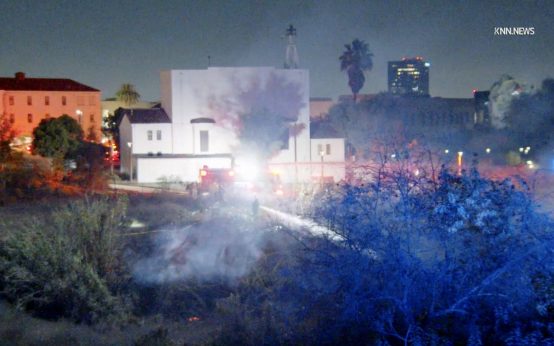 Santa Ana Winds Threaten Southern California with High Fire Risk and Power Outages
 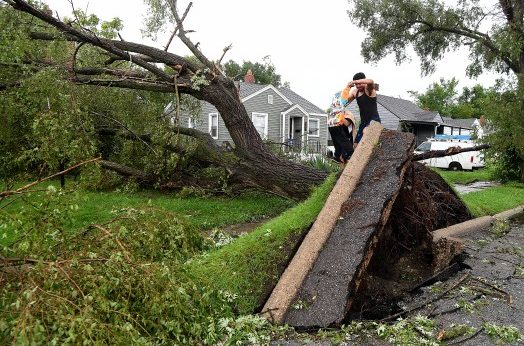 Hurricane Trudy Advances Toward Mexico
  Name the New Red Panda Cub at the National Zoo
  Toxic Metal Exposure in Maui Fire Survivors