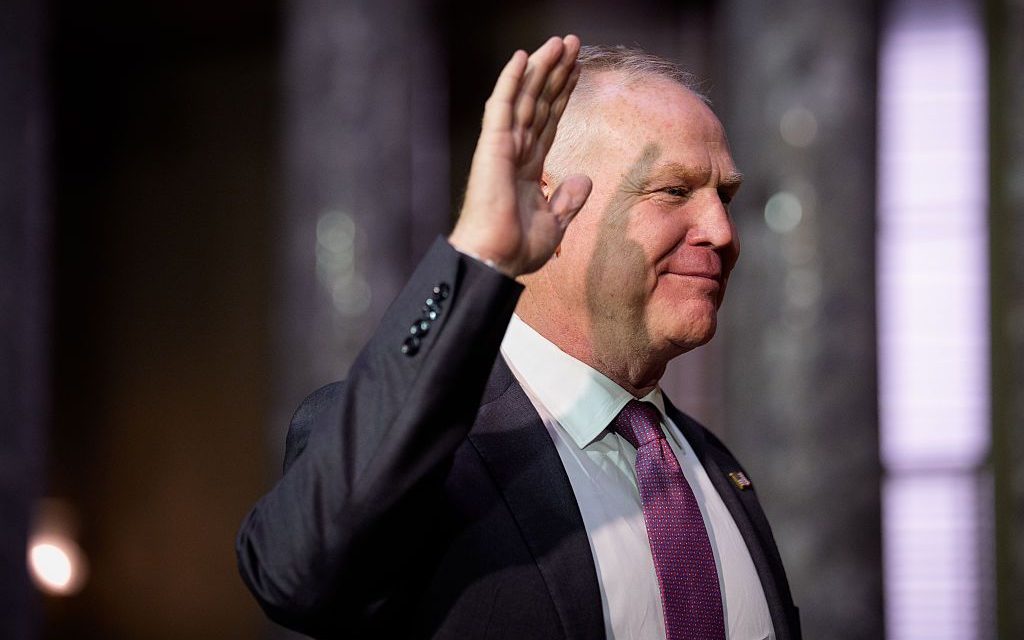
Oklahoma Republican Senator Alan Armstrong is urging Congress to revamp federal permitting rules. He emphasizes the need for new power infrastructure to meet growing electricity demands from data centers without increasing household costs. His comments, shared in a Newsweek interview, highlight concerns that artificial intelligence (AI) infrastructure is a growing financial burden. According to Gallup, 71% of Americans do not support AI data center construction locally, as researchers question if the rapid expansions are already raising household electricity costs.
Armstrong, appointed this year and unable to seek a full term, stated that data centers have become a convenient focal point for frustrations about utility bills. He believes the real issue is insufficient generation and grid infrastructure. His permitting proposal intends for large new users to absorb additional costs to reduce the burden on households. Armstrong insists that data centers are necessary and shouldn’t be scapegoats for high energy prices.
Public opposition to data centers is considerable, with Gallup’s survey revealing that 71% of U.S. adults oppose AI data centers in their area. This exceeds the 53% who oppose local nuclear power plants. Concerns extend beyond AI discomfort, with resource use, including water and energy, and potential economic impacts like higher utility bills and cost-of-living rises among the cited reasons. Political groups broadly oppose local construction.
Armstrong criticized limiting industry growth. He argued that halting progress isn’t feasible and the U.S. should instead establish clear AI rules and safety standards to remain attractive for tech companies. Failure to do so, he suggests, could redirect investments elsewhere. His claim that unfair blame is directed at data centers for rising electricity costs reflects an ongoing economic debate.
Data shows significant demand increases. The Lawrence Berkeley National Laboratory and the Brattle Group’s 2026 analysis indicated that U.S. data-center electricity demand more than doubled from 2018 to 2024 and might triple again by 2028. They warn of risks such as inadequate power supply for utilities. A conflicting study by Cameron Scalera and collaborators, however, suggests that extra data centers do increase residential electricity prices.
In their analysis of 1,200 utility areas and 2,700 data centers, they linked a 4% rise in residential prices to average-sized hyperscale facilities. Yet in areas with surplus capacity, these increases were less severe, highlighting infrastructure importance. Scalera acknowledges Armstrong’s point about infrastructure inadequacies but maintains data centers still contribute to rising prices.
Other studies, like the Electric Power Research Institute’s, found that from 2015 to 2024, data center growth reduced average electricity prices by about 3.5%. They argue that increased capacity helps distribute system costs more effectively. However, the unprecedented scale of AI expansions could alter outcomes.
Armstrong’s proposal involves data centers covering incremental and existing charges, mitigating expenses for other customers. Large-load tariffs are already used to regulate this cost separation effectively. Berkeley Lab reviewed 55 tariffs, noting requirements like minimum monthly bills and cost assignment to prevent existing customer subsidization.
Apart from permitting matters, Armstrong diverged from former President Trump on Russian diesel. He believes the U.S. should enhance local infrastructure, opposing revenue flows to adversaries like Russia. Though he hasn’t discussed his permitting legislation directly with Trump, he anticipates administration support due to alignment with energy policies.
Armstrong, previously with Williams and new to politics, is temporarily in office and not seeking further political roles. He confirmed he’s not running for president in 2028 and remains open to future business prospects after serving in the Senate. He expressed disappointment with congressional delays in addressing significant issues like permitting reform, a longstanding concern now interlinked with AI’s development.
 Nationwide ‘No Kings’ Events Aim to Inspire Voter Turnout
 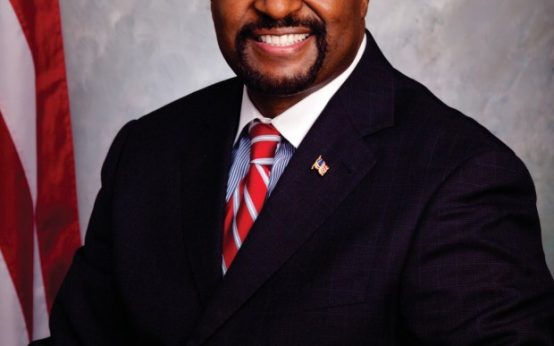 Democratic Incumbent and Republican Newcomer Vie for Lake County Clerk Position
 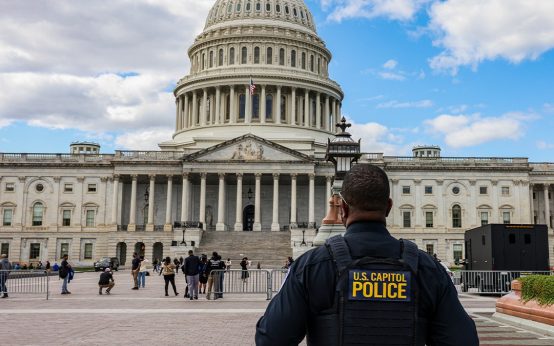 Senators Receive Suspicious Mail Amid Nationwide Investigation
 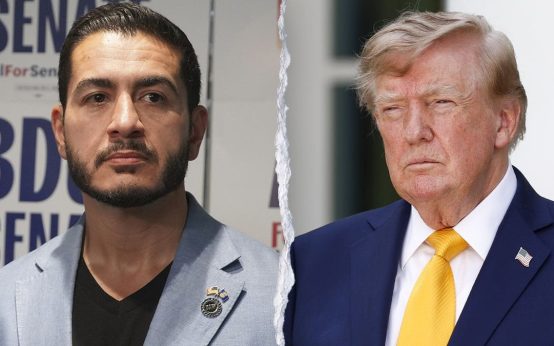 Trump Accuses Michigan Senate Candidate Abdul El-Sayed of Muslim Brotherhood Ties
  Historic Preservation Under Threat: Changes to National Law Stir Concerns
  Members of Congress Invest in AI while Regulation Lags