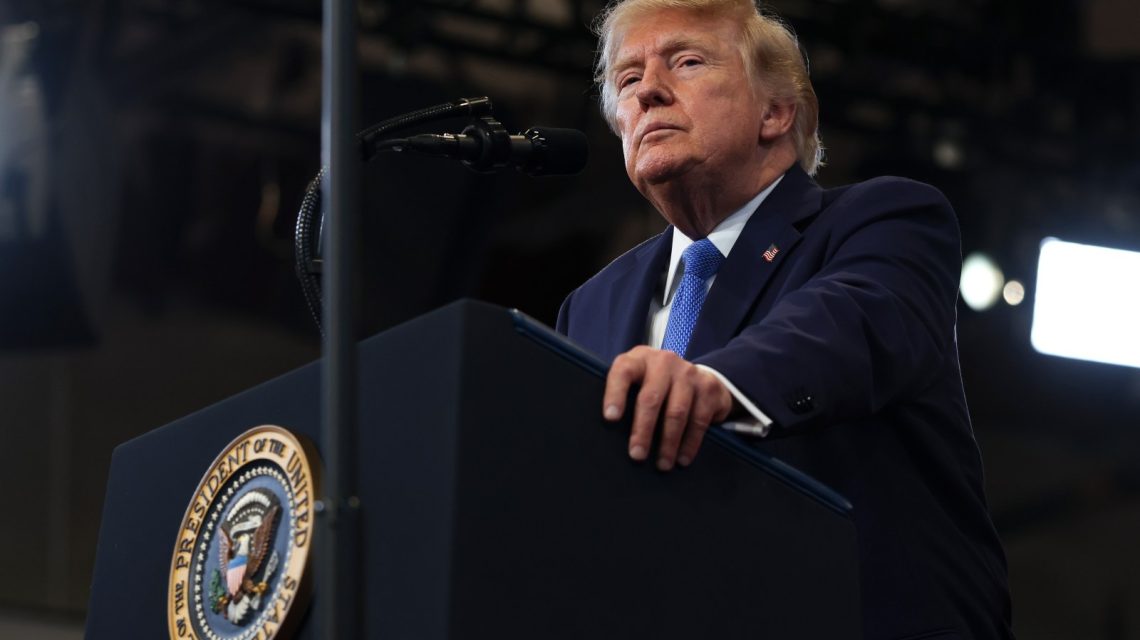
President Donald Trump is urging the Senate to eliminate America’s biannual clock changes. He wants lawmakers to enact legislation to make daylight saving time permanent. In a Truth Social post, Trump encouraged the Senate to pass the “NO MORE CHANGING THE CLOCKS ACT.” He argued that extended daylight in the evening could help reduce crime and criticized the practice of changing clocks twice yearly.
Legislative Journey
The House passed the Sunshine Protection Act, H.R. 139, with a bipartisan vote of 308-117 on July 14. The legislation aims to make daylight saving time permanent across most of the United States. On July 15, the bill moved to the Senate and was referred to the Senate Commerce, Science and Transportation Committee.
The Senate will reconvene on September 14. The bill could pass by unanimous consent if no objections arise. However, if opposed, Senate rules typically require 60 votes to overcome a filibuster and advance the legislation to a final vote.
Opposition in the Senate
Senator Tom Cotton, a Republican from Arkansas, opposes permanent daylight saving time. He cautioned that winter mornings would become darker for children and workers in certain areas of the country. Other senators who have expressed opposition include Republicans Ted Budd, Deb Fischer, Jerry Moran, Tim Sheehy, Dan Sullivan, Roger Wicker, and Todd Young. Among Democrats, Lisa Blunt Rochester, Tammy Duckworth, Amy Klobuchar, Gary Peters, and Jacky Rosen have also voiced concerns, according to CBS News.
Newsweek contacted Cotton’s representatives for comments on Sunday.
Potential Timing for Permanent Change
The House-passed version of H.R. 139 does not specify a delayed effective date. If the Senate approves the bill without amendments and President Trump signs it before November 1, it could prevent the scheduled return to standard time. This would make daylight savings permanent.
The Senate would have 48 days post-recess to act. Any modifications would require the House to consider the Senate’s changes, tightening the timeline. If the Senate does not pass the bill in time, the current law remains, and clocks will fall back an hour on November 1.
Trump’s Motivation
Trump has long advocated ending the twice-yearly clock changes. In April 2025, he urged Congress for “more Daylight at the end of a day,” stating the change is popular. The House vote gives him renewed momentum on this issue, attracting support from both major parties. Pushing this measure could also benefit Trump politically before the midterms. Trump argues that passing the Sunshine Protection Act could lower crime rates, including murder and robbery.
The proposal has split lawmakers on which time standard should be permanent. Advocates of permanent daylight saving time believe it offers more usable evening light. Meanwhile, opponents like Cotton caution against darker winter mornings.
The Senate acted quickly on a related bill in March 2022, passing an earlier version of the Sunshine Protection Act by unanimous consent. However, it stalled in the House without a final vote. With the House having already acted this time, the focus now shifts to whether the Senate will do its part before the next clock change.
Understanding Daylight Saving Time
In most of the U.S., daylight saving time begins on the second Sunday in March. Clocks move forward by one hour at 2 a.m., shifting an hour of daylight from morning to evening. DST ends on the first Sunday in November, when clocks revert by an hour, and standard time resumes.
Federal law governs the practice, but states and territories are not required to observe DST. Hawaii and most of Arizona do not practice it, but the Navajo Nation in Arizona does. Territories such as Puerto Rico, Guam, and the U.S. Virgin Islands maintain standard time throughout the year.
For further commentary, contact Newsweek editors, Ben Kelly and Cristina Diciu, on this story.
 Rahm Emanuel Advises Against Impeaching Trump, Advocates for Ethics Reform
  Rahm Emanuel Discusses Potential 2028 Presidential Bid and Faith
  JD Vance’s RNC Speech Fuels 2028 Presidential Speculation
  Hayley Williams Criticizes ICE Amid Rising Attacks on Federal Officers
  Efforts to Combat Obamacare Fraud Intensify
  Jay Clayton Appointed as White House AI Czar