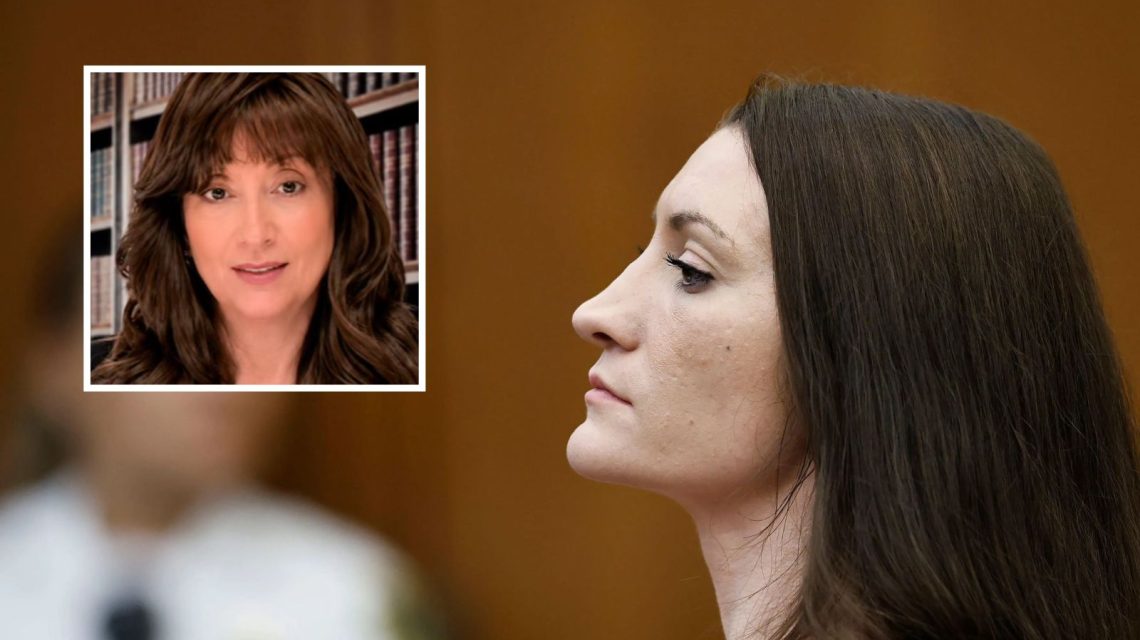
The murder trial of Lindsay Clancy is reaching its conclusion. Recent testimony has influenced opinions regarding her criminal responsibility for the deaths of her three children. Clancy is accused of killing the children at their Massachusetts home in January 2023, then trying to take her own life. Her defense argues she suffered from postpartum psychosis, experiencing command hallucinations at the time.
Prosecutors maintain Clancy had mental health issues but was still legally accountable. Shari Karney, a civil rights attorney, shifted her perspective after hearing weeks of testimony. She initially believed Clancy was responsible but now supports the defense’s case, influenced by evidence highlighting Clancy’s mental health struggles and her attempts to seek help.
Courtroom Testimonies and Expert Opinions
Final prosecution witness Dr. Gregory Saathoff, a forensic psychiatrist, recognized that the prosecution’s initial portrayal minimized Clancy’s crisis. Defense attorney Kevin Reddington highlighted this during Saathoff’s testimony, emphasizing the discrepancy between the prosecution’s claims and the evidence presented.
Key testimony included Clancy’s efforts to seek psychiatric help before the killings, indicating visible deterioration. Her legal team claims she was disconnected from reality due to psychosis and hallucinations. Defense experts supported this, while prosecution experts pointed to Clancy’s capacity for planning.
Mental Health System’s Role
Karney argues that Clancy’s circumstances reveal issues within the mental health care system. She noted Clancy’s fragmented treatment and lack of coordination among health professionals, drawing parallels to an emergency needing immediate and unified response.
Karney criticized the reliance on telehealth sessions for someone displaying severe psychiatric symptoms. She contends that Clancy’s gender may have influenced how her symptoms were perceived and treated, suggesting that similar symptoms in men might have received more urgent attention.
Implications Beyond the Case
This case exemplifies the need for better coordinated mental health care,said Karney.Postpartum mental health symptoms should be treated as serious medical emergencies.
Karney emphasized the broader implications for postpartum mental health awareness and treatment, drawing comparisons to past cases like Andrea Yates’. She stresses the importance of learning from history to prevent future tragedies.
The trial concludes with jurors set to begin deliberations after hearing closing arguments. They will decide if Clancy is guilty of first-degree murder, not guilty, or not guilty by reason of lack of criminal responsibility. A verdict of the latter could result in her being committed to a psychiatric facility instead of prison.
 Mental Health Challenges for Women with Type 2 Diabetes
  ChatGPT’s Optional Trusted Contact Feature for Suicide Prevention
  Analysis of Lindsay Clancy’s Murder Trial and Mental Health Debate
  Grieving Mother Honors Late Son During Wedding Ceremony
  Mental Health Risks Linked to Prescription Weight-Loss Medication
  Dae’Quan Wright’s NCAA Return and Jizzle James’ Challenges