
The statue of Caesar Rodney, located in Freedom Plaza in Washington D.C., has sparked conversations about historical figures and their legacies. Although not widely recognized today, Rodney played a crucial role in America’s independence.
Rodney’s overnight ride from Dover, Delaware, to Philadelphia was pivotal. He was instrumental in casting the deciding vote for Delaware in favor of the Declaration of Independence. This action contributed to the unanimous agreement among the 13 colonies, a milestone in securing freedom from England.
Despite this significant contribution, some, like Kennicott, argue that Rodney’s legacy should not be celebrated due to his history as an enslaver. This ongoing dialogue highlights the complex nature of honoring historical figures and reconciling their contributions with their personal actions and beliefs.
 Innovative Use of AI and Digital Technology in Restoring the Basilica of Saint Francis of Assisi
  Amir Odom: Perspectives on LGBTQ Movement and Political Identity
  The Legacy of Ken Kesey’s ‘Furthur’ Bus
 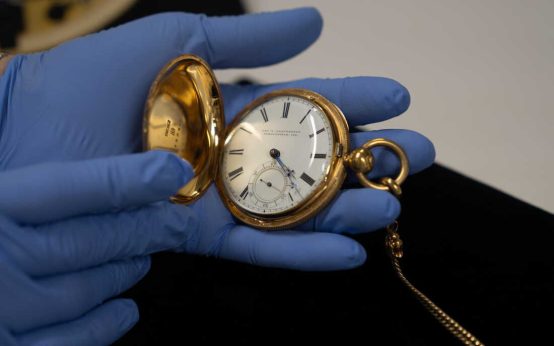 Abraham Lincoln’s Pocket Watch: A Piece of History
  Reflections on 30 Years at Fox News
  Minneapolis City Council Member’s Remarks on Waymo Cars Killing Cats Spark Criticism