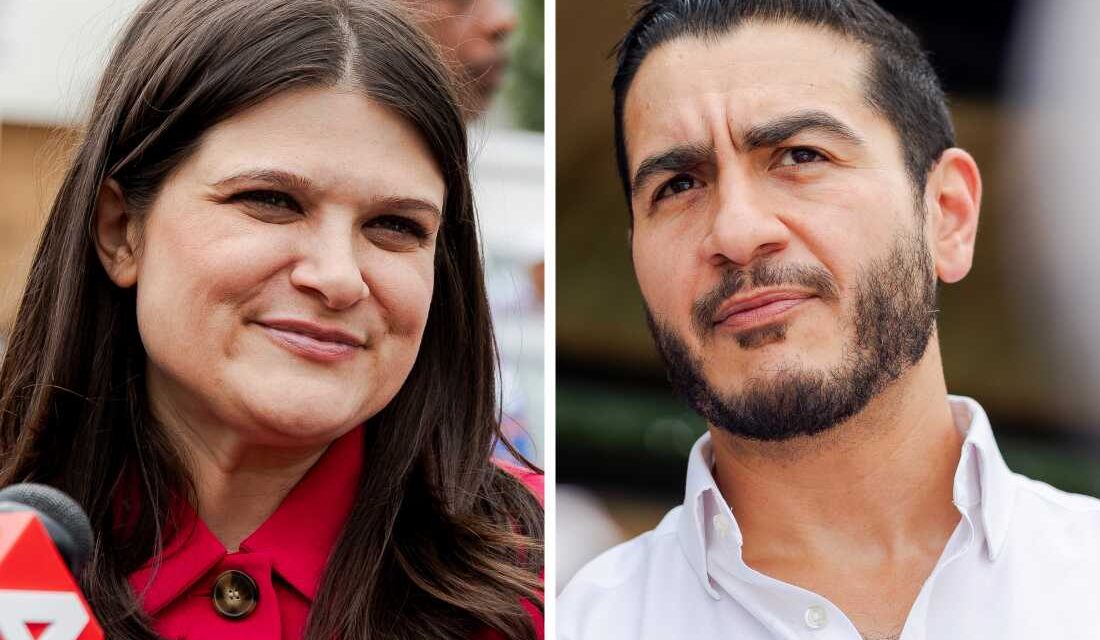
Democrats in Michigan are witnessing a tight contest for the Democratic nomination for the U.S. Senate, with Abdul El-Sayed and Haley Stevens vying for the position. As Democrats look to make a comeback in the midterms, Michigan offers a critical battleground, embodying the broader debate about the party’s future direction.
El-Sayed’s Progressive Push
Abdul El-Sayed, a former health department director and an advocate for “Medicare for All,” is attracting progressive voters by criticizing corporate influence in politics. His background includes running for governor in 2018 and serving as an epidemiologist. El-Sayed’s campaign is gaining momentum, especially with endorsements like that from the United Auto Workers.
“The problem too often with the Democratic party, we have an instinct to say the right thing, but we’re bought off by the people who are on the side of doing the wrong thing,”
Abdul El-Sayed
Stevens’ Moderate Approach
On the other hand, Haley Stevens, a four-term congresswoman, positions herself as a moderate. Known for her role in the auto industry bailout during the Great Recession, she emphasizes fighting President Trump while practicing a more centrist form of politics.
“We don’t need wishlists. We need action now. That’s the Michigan way.”
Haley Stevens
Debates and Challenges
The race highlights several debates within the Democratic Party, including the influence of special interest money and differing views on foreign policy, particularly regarding Israel. Stevens is supported by groups like AIPAC, which contrasts with El-Sayed’s stance on ending U.S. military aid to Israel.
This contest reflects broader tensions, such as establishment versus insurgency and progressive versus moderate policies. Michigan Democrats are torn over which candidate can best represent their state and the party’s ideals in the national political arena.
Voter Sentiments
Voters like Kelley McKenzie and Rose Edwards express differing priorities. While McKenzie values Stevens’ ability to appeal to centrist and independent voters, Edwards supports El-Sayed’s focus on community involvement and progressive change.
Endorsements and Implications
As the primary approaches, endorsements play a significant role. El-Sayed receives backing from progressive figures like Sen. Bernie Sanders and Rep. Alexandria Ocasio-Cortez. Stevens garners support from Michigan’s political heavyweights, including Gov. Gretchen Whitmer and outgoing Sen. Gary Peters.
The outcome in Michigan could indicate the direction the Democratic Party chooses to take moving forward. Amidst these high stakes, party unity remains a crucial factor for securing victories in future elections.
“People better see some real change. If they don’t (in 2028) it’s almost not going to matter who the candidates are.”
Joel Rutherford
 Trump Administration Sparks Outrage by Threatening Kennedy Center Closure
  DNA Investigation Confirms Thomas Jefferson’s Lineage
  Laura Loomer’s Predictions and Poll Insights on Midterm Elections
  Voter Sentiment Against President Rises in Recent Poll
  Media Backlash Against Trump’s Press Exclusions
  U.S. Considers Belarus for Potash Purchases to Cut Fertilizer Costs