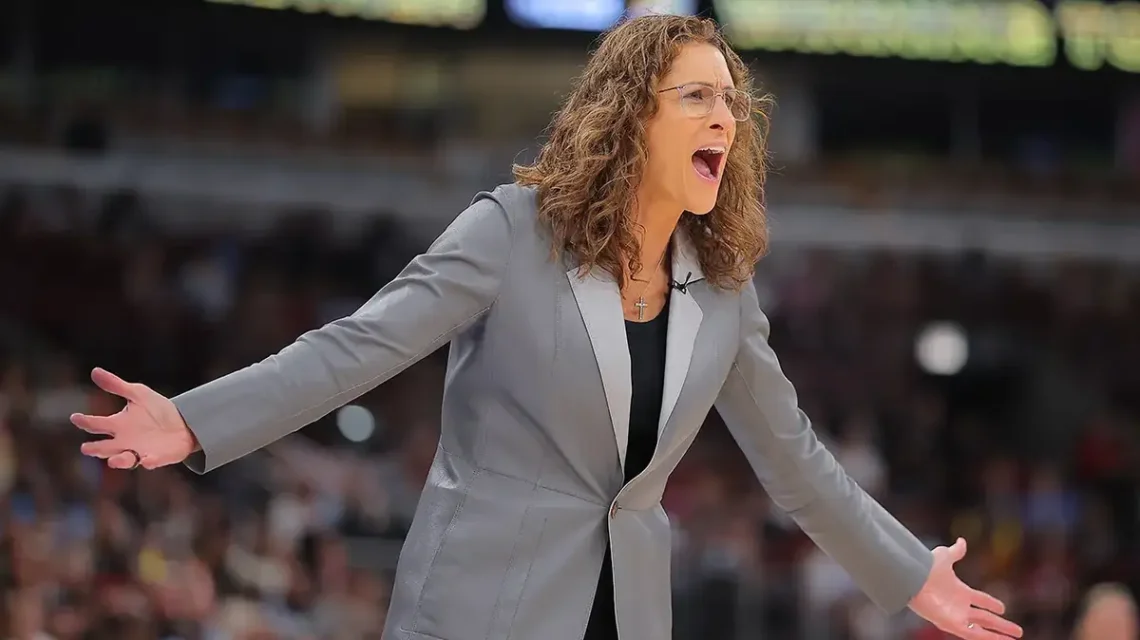
Fever head coach Stephanie White opened a recent pregame press conference with a forceful statement. She spoke about “hate,” “fear mongering,” and “divisiveness” she believes threatens to “hijack” the WNBA. This prepared statement was delivered with intensity, including profanity and table banging, and concluded with a definitive exit without questions.
White’s comments quickly gained attention. ESPN analysts lauded her courage, honesty, and commitment to love. Some suggested her critics might be “fueled by hatred.” This reaction highlights the media’s framing of White’s comments as “passionate” and “important.” Labels like “impassioned” and “scathing” were used by outlets, portraying her statement as a significant moment.
White faced criticism after not defending her player, Sophie Cunningham, following a hard foul by Chicago Sky’s DiJonai Carrington. White explained she missed the incident in real time and only adjusted her judgment after reviewing replays. Understanding the replay situation clarified her position.
In her remarks, White addressed an “online community” she feels is spreading false narratives about her. She emphasized unity in the league, asserting that “love,” “grace,” and “kindness” would prevail. Yet, she bluntly stated, “Everybody else can go to hell,” contrasting the calls for love with harshness.
The delivery of White’s speech appeared rehearsed, and reactions varied. The WNBA media ecosystem, however, appeared to uniformly support her, emphasizing emotion and significance in her words. ESPN’s coverage reinforced this narrative, crediting White’s vulnerability and fearlessness.
Andraya Carter raised whether criticism of White’s coaching came from ignorance or animosity, questioning the validity of such critiques. This mirrored the theme that negative remarks might stem from a place of hatred.
ESPN’s coverage extended beyond White’s remarks, emphasizing themes of online harassment. Analysts like Rebecca Lobo highlighted the challenges WNBA players and coaches face, while calling for a focus on the sport itself.
There is irony in the current calls to “stick to basketball.” The league has historically engaged with broader social issues, proudly standing for more than the sport. Now, the conversation has shifted as new voices enter the discourse.
White’s speech and the ensuing media reaction illustrate the complexities within the league. Journalists have room to scrutinize claims rather than simply reinforce them. Yet, the WNBA’s media landscape supported White, presenting her speech as an “important” moment.
 Controversy Arises at Portland High School Football Game
  Readers Express Views on AI, Historical Associations, Endangered Species, and Genetic Testing
 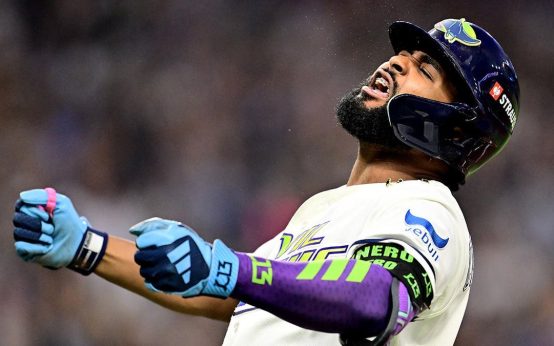 Rays and Brewers Set to Compete in 2026 World Series
 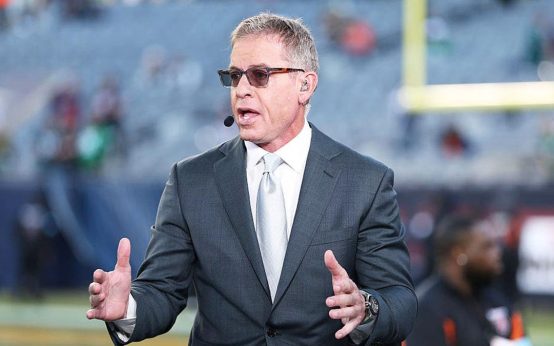 Inside the Colorful World of Screencaps: A Daily Column Uniting Sports and Pop Culture
  Brewers’ Timeless Ticket Promotion Proves a Clever Bet
 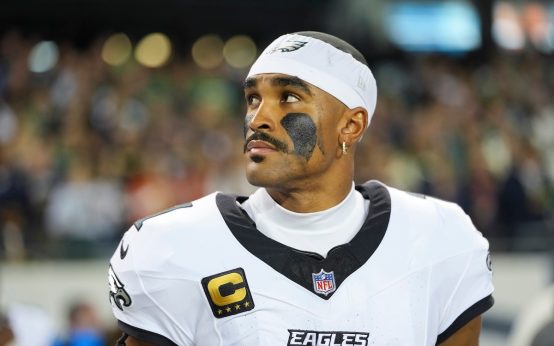 Concerns Arise Over Philadelphia Eagles’ Handling of Jalen Hurts’ Health