
This month marks the return of students to campuses across the United States. They are gearing up for a new academic year, shopping for classes, textbooks, and setting up their dorms. However, simmering beneath the excitement is the persistent question of cost and value. The price of a college education has been on the rise for years. Now, families face the tough decision of assessing if a college degree remains a worthy investment.
Tuition fees continue to escalate, impacting the financial choices of both students and parents. As they weigh these decisions, many are also considering the long-term benefits of higher education. The debate often centers around employability, salaries post-graduation, and the intrinsic value of a liberal arts education.
For some, the focus falls on degrees that promise higher salaries and improved employability prospects. Parents and students are keen on fields that offer a good return on investment. Others argue for the importance of a well-rounded education provided by the liberal arts, which nurtures critical thinking and broad knowledge.
As the academic year begins, these conversations are more relevant than ever. Evaluating if a degree meets personal and professional goals has become crucial in a landscape where educational costs and job markets are constantly changing.
 Conservative Candidate Sonja Shaw Challenges Teachers Union
 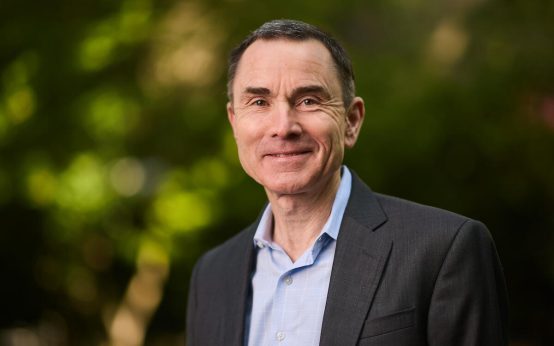 USC Appoints David Madigan as Chief Academic Officer Amid Challenges
  Concerns Over Pittsburgh Schools’ Ethnic Studies Course
  The Impact of Eliminating Regents Exams on Education
  Supporting Child Mental Health: The Role of Home Environments
  The Impact of College Rankings on Less Prestigious and Less Wealthy Schools