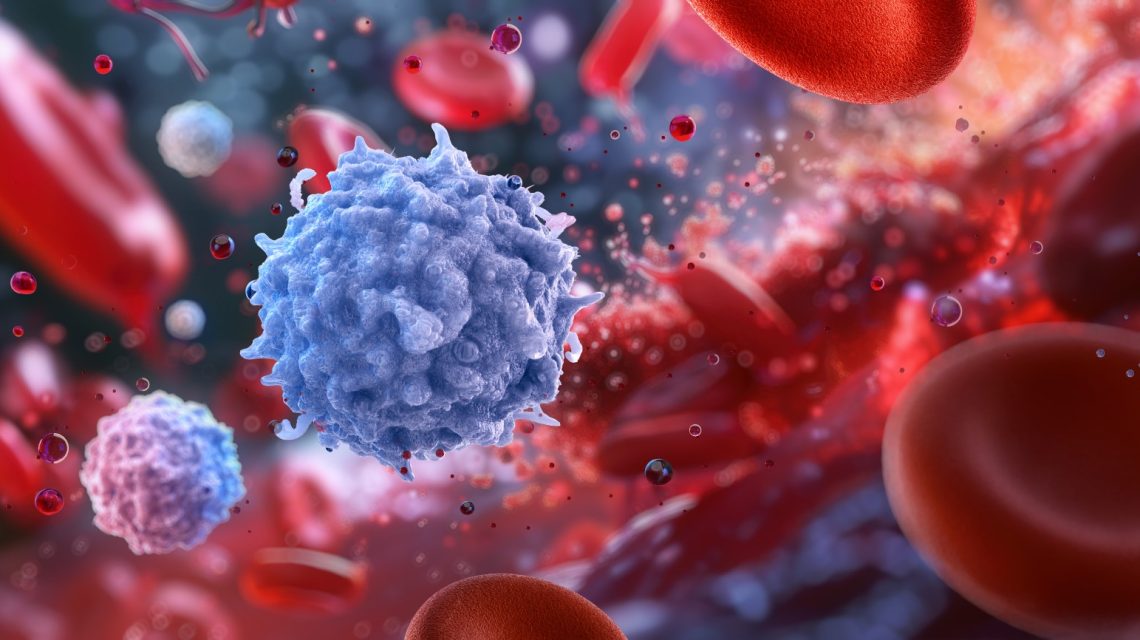
Recent research has highlighted changes in white blood cells that may forecast how patients with melanoma will respond to treatment. These findings could help doctors judge who might benefit from immunotherapy.
Blood Cells Offer Clues
Lucy Booth, a PhD student at King’s College London, led the study, revealing new possibilities in melanoma treatment research. Her work emphasized the impact of B cells on patient survival and treatment outcomes. Studying these cells could address current challenges in melanoma treatment.
Booth explained that analyzing immune cells from blood samples provides a less invasive alternative to biopsies. For the first time, researchers characterized B and T cells together from melanoma patients’ blood, discovering immune features that could become future biomarkers of the disease.
Melanoma ranks as the fifth most common cancer in the UK. In the US, about 112,000 new cases are anticipated this year, as reported by the American Cancer Society. While treatable when caught early, advanced melanoma remains one of the deadliest skin cancers. Treatment options include surgery, targeted drugs, and immunotherapy, which trains the immune system to target cancer cells.
Though immunotherapy has improved outcomes for many, nearly half of patients don’t experience benefits, and some suffer severe side effects. Until now, predicting responses to the treatment has been unreliable.
What the Study Found
KCL researchers collaborated with Queen Mary University of London colleagues, studying B and T cells. B cells generate antibodies, while T cells directly combat cancer cells. They observed coordinated changes in these immune cells during treatment, aligning with patient outcomes.
Patients showing renewed activation and expansion of B and T cells within the first six weeks of treatment generally fared better, with improved survival rates. Conversely, patients with immature or ineffective B cells during treatment experienced worse outcomes. Those whose immune cells showed weak anti-cancer responses before treatment also had poorer survival rates. Certain T cell subtypes were linked to treatment side effects.
Significant differences in immune cell levels between patients might explain different treatment responses. Researchers analyzed blood samples from 24 stage 2 to 4 melanoma patients and 25 healthy volunteers, monitoring changes over time using mass cytometry. This technology allowed for a detailed study of rare cell populations.
It’s the first comprehensive study of circulating B and T cells together in melanoma patients’ blood. Booth highlighted the aim to integrate blood immune profiling into clinical settings for better surveillance and early intervention in melanoma patients.
Reference: Booth, L., Karagiannis, S. N., et al. (2026). Circulating B cell and T cell activation states predict clinical outcomes in melanoma and reveal dynamic immune reinvigoration with checkpoint inhibitor immunotherapy. Journal for Immunotherapy of Cancer. https://doi.org/10.1136/jitc-2026-015585.
 Physicians Advocate Against FDA Nominee Heidi Overton
  ASU Hockey Coach on Leave After Player’s Collapse
  Managing Parenting Stress: Practical Tips from Cassidy Freitas
  Trump’s Executive Order Targets Mosquito and Tick Control
  Understanding the Impact of GLP-1 Weight-Loss Drugs on Brain Health
  Gene Editing and Ethical Debates at Origin Genomics