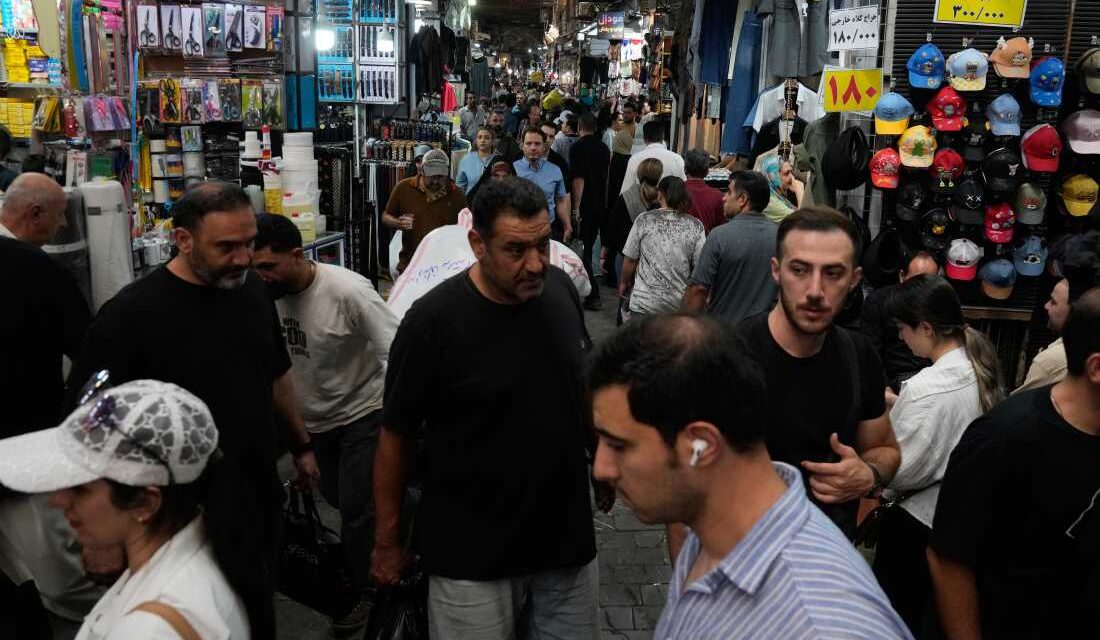
On August 8, 2026, in Tehran’s main bazaar, significant geopolitical events were unfolding. Yemen’s Houthis claimed responsibility for an attack on an oil facility in southwestern Saudi Arabia. The Iranian-supported rebels targeted the kingdom, marking another incident in a series of aggressive acts.
The spokesperson for the Houthis, Yahya Saree, announced that a drone targeted an Aramco refinery in Jazan. This attack was a retaliation for what they considered a breach of airspace by Saudi drones in Yemen’s Hajjah and Saada provinces. The Saudi Energy Ministry reported a fire at the Aramco facility but not the cause, and mentioned no casualties.
This assault is part of ongoing Houthi operations targeting Saudi Arabian infrastructure and Red Sea shipping. Additionally, a Yemeni government official noted missile and drone strikes on the Mocha port, a vital site under Yemen’s internationally-backed government.
Iran’s Demands on Negotiations and the Strait of Hormuz
In Tehran, Foreign Minister Abbas Araghchi emphasized the continuation of indirect communication with the U.S. Yet, he stressed that formal negotiations would not start until the U.S. addressed what Iran considers breaches of an existing memorandum of understanding.
Araghchi mentioned discussions with Oman on new maritime routes through the Strait of Hormuz. The reopening of the strait remains contingent on several conditions. Iran’s Supreme National Security Council concurs with this stance, requiring the U.S. to adjust its regional conduct before any resumption of negotiations.
U.S. Demands in Iranian-U.S. Dialogues
The Council demands the U.S. end threats against Iran, cease regional conflicts, lift port blockades, and withdraw military forces. Compensation for war damage, lifting sanctions, and releasing frozen assets are also part of Iran’s prerequisites. An interim deal plans for addressing sanctions lift and compensation, but the U.S. had not commented as of now.
U.S. Central Command reports include redirecting 53 commercial ships and disabling and boarding more within the conflict timeframe.
Pentagon’s Push for Increased Weapons Production
Pentagon spokesperson Sean Parnell stated the need to hasten weapons production, underscoring the necessity for military readiness. The ongoing conflict has depleted U.S. missile interceptor reserves significantly. This effort reflects an ongoing modernization initiative that existed before the five-month conflict started.
Details on Iran-Oman Agreement on Strait of Hormuz
The strategic Strait of Hormuz is vital to oil and gas supply lines. Iran and Oman are nearing a temporary agreement to reopen it, allowing ships to transit without fees. The plan aims to restore a prior U.S.-Iran pact and could set a 60-day negotiation timeline over Iran’s nuclear ambitions.
This potential agreement, supported by the Gulf Cooperation Council, awaits finalization and would involve joint announcements from Iran, Oman, the U.S., and the International Maritime Organization. Terms remain subject to change.
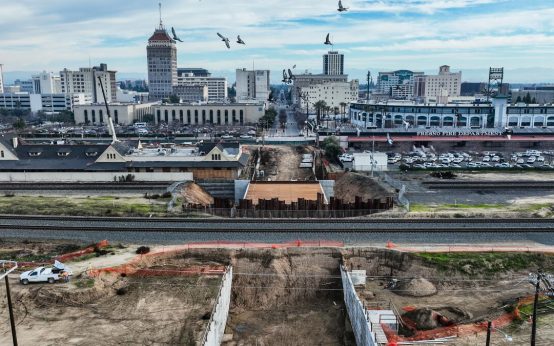 California’s Demographic Shifts: A Closer Look
  Israel Marks Tragic Anniversary Amid Political Turmoil
  Israel Commemorates Third Anniversary of Hamas-Led Attacks
  Immigration Policies and Their Impact on Afghan Refugees in the U.S.
 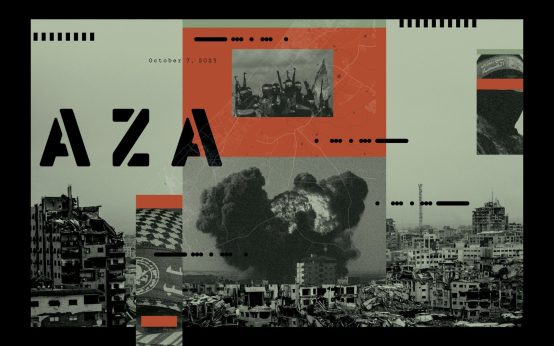 The Impact of October 7 and Its Aftermath
 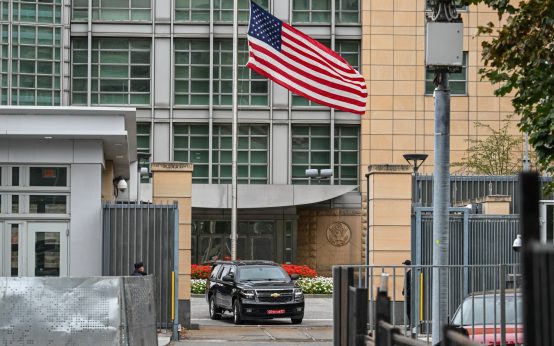 U.S. Embassy Monitors Suspected Plague Case in Russia’s Irkutsk Region