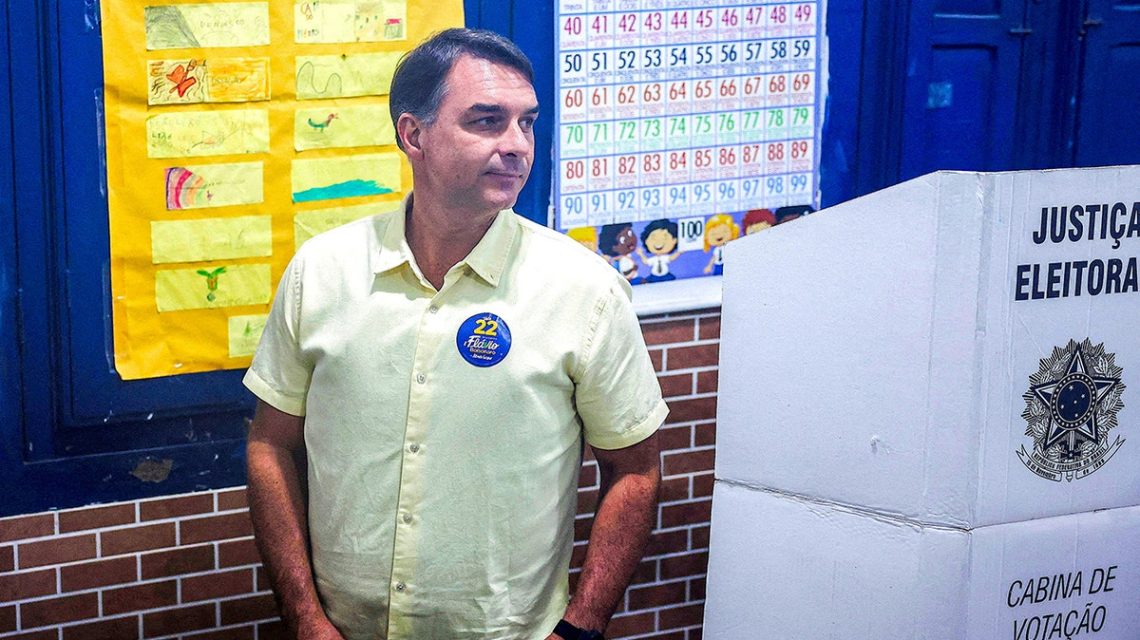
Brazilian Senator Flavio Bolsonaro claims that political and judicial actions in Brazil cost him the recent presidential election. In an interview with Fox News Digital, he detailed his decision to seek asylum in the United States, citing what he calls a campaign of political persecution.
Losing narrowly to President Luiz Inacio Lula da Silva, who secured 51.8% of the vote against Bolsonaro’s 48.2%, the senator claims he was defeated not by a person but by the country’s systemic injustices. Following the election’s conclusion, the Brazilian Supreme Court promptly moved to cancel Bolsonaro’s passports. This led him and his family to leave the country by first crossing into Argentina, then flying into Miami, where they received political asylum from Donald Trump.
Accusations Against the Supreme Court
Bolsonaro describes his departure as necessary for Brazil’s vitality and continued his criticism of Brazilian Supreme Court Justice Alexandre de Moraes. Accusations include election interference and political persecution. He states, “I did not leave Brazil to escape. I left for the benefit of Brazil. The accusations against me are baseless and began from ‘fake news’ and manufactured media reports.”
Claims of Election Interference
According to Bolsonaro, Justice Moraes orchestrates cases against political opponents. He criticizes the timing of an investigation opened by Moraes shortly before the election. He claims that seven minutes after the election results were out, his passports were confiscated, preventing him from leaving Brazil.
While acknowledging that he lacks evidence to prove election fraud, Bolsonaro criticizes the electoral system’s inability to accommodate a recount. He cites the recent Venezuelan elections, where fraud was detected, as a model for improvements Brazil should adopt.
Discussion on Brazil’s Electoral System
Bolsonaro advocates for electronic voting combined with a printed record of each vote to ensure electoral transparency. He believes the current system poorly audits election results because no recount is possible. On the other hand, political scientists like Karina Stange Calandrin from Instituto Brasileiro de Mercado de Capitais dispute these claims, highlighting the secure nature of the current voting process.
Calandrin states that Brazil’s voting machines are offline and require a scale of collusion “that simply could not pass undetected.”
Political Future and Prospects
Though in exile, Bolsonaro eyes a political future. Pending changes to the electoral system, he remains a candidate for the presidency in 2030 should his father, former President Jair Bolsonaro, be ineligible to run. He comments on the strong leadership pool the right in Brazil possesses.
He emphasizes the quality and quantity of capable leaders on the right, unmatched by the current left, represented solely by President Lula. He also voices distaste for Hugo Motta, president of Brazil’s lower chamber, urging his supporters to oppose Motta’s reelection due to unfulfilled promises and political pragmatism.
Freedom to Speak in Exile
Bolsonaro sees the U.S. as a place where he can speak freely and sustain his work with allies in the Brazilian Congress. He mentions nearly 60 million votes he received and the political strength of the center-right in Brazil, countering claims that his movement was defeated.
Flavio Bolsonaro concludes by hoping for institutional reform in Brazil, free from political persecution, as he continues to voice his opinions from the U.S.
 Key Developments in U.S. Politics and International Affairs
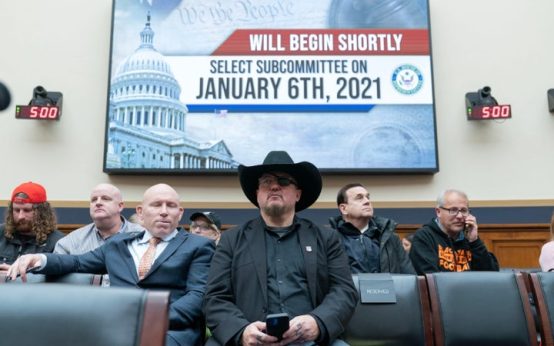 Ex-Oath Keepers Leader Turns Against Trump
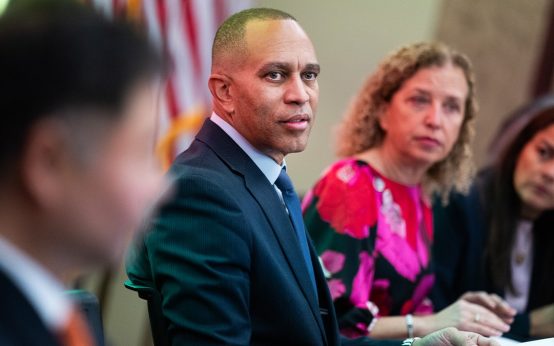 Progressive Democrats Seek to Push Agenda in House
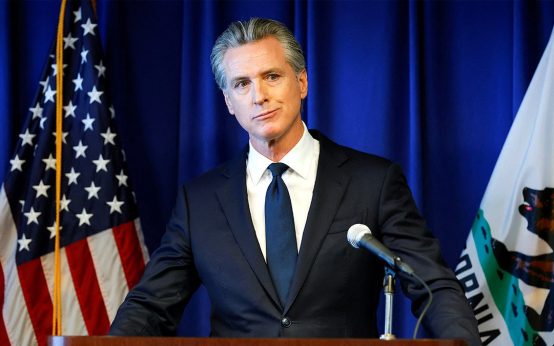 Controversy Surrounds Governor Newsom’s Death Sentence Commutation Plan
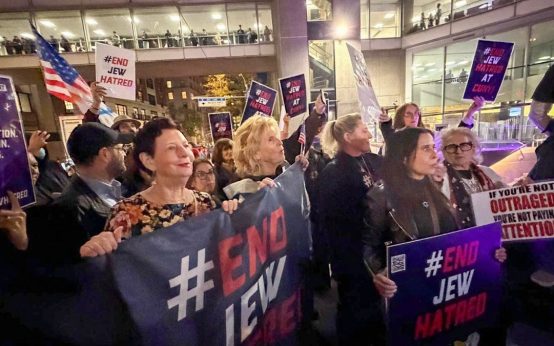 Jewish Activist Criticizes Event Cancellation at CUNY School
 Debate on School Choice in Texas Elections