Unintended Impact: Scientific and Ethical Dimensions
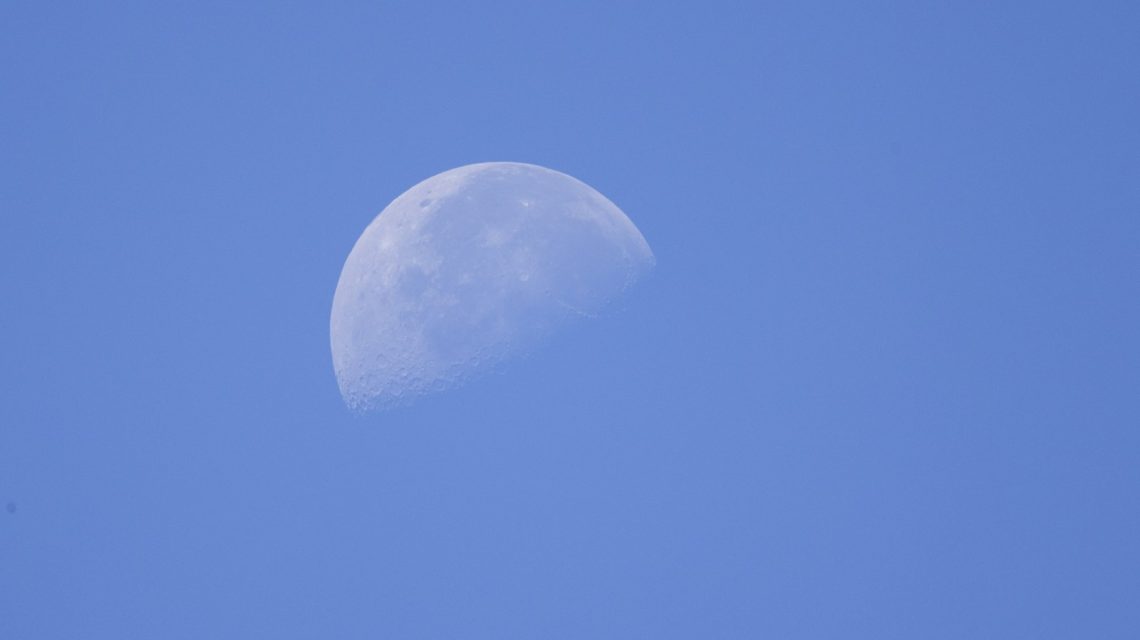
The unplanned fall of a SpaceX rocket booster onto the lunar surface presents both scientific and ethical dilemmas. While this event offers new data on how high-velocity impacts affect the Moon, it raises concerns about human interactions with extraterrestrial environments. Since the 1950s, human-made objects have been reaching the Moon. However, the recent crash highlights a deeper issue of how we view such environments.
Examining the Colonial Perspective
Space exploration often mirrors the rhetoric used in the colonization of territories on Earth. The term terra nullius—meaning land that belongs to no one and is up for grabs—has parallels in how we perceive the Moon as an unclaimed frontier. This mindset allows state and corporate entities to leave behind their debris, such as flags or discarded rocket parts.
Shift from State to Private Exploration
Currently, the dynamic of space exploration is changing. Private individuals like Elon Musk and Jeff Bezos are taking the lead, viewing outer space as a realm for experimentation without stringent oversight. Their approach lacks the ethical constraints often applied to state-led missions. Despite the absence of life on the Moon, ethical considerations must guide our actions in space.
Indigenous Voices and Ethical Space Engagement
Scholar Deondre Smiles, an Ojibwe expert in environmental governance, emphasizes the Moon’s status as more than an inert body. Indigenous perspectives see it as a profound relational presence. Indigenous communities have resisted unethical space activities, including commercial lunar burials and hazardous waste plans. They argue for the Moon’s treatment as a relative, not merely a resource.
Labeling Indigenous opposition as “anti-science” misconstrues the conversation. Partnerships such as those between NASA and the Navajo Nation illustrate the harmony between Indigenous wisdom and scientific exploration. The focus must be on stewardship rather than unchecked exploration.
International Accountability in Space Activities
The impact of a booster adds nothing new that natural phenomena like meteorites don’t already teach us. These occur without adding human-made debris. As environmental crises on Earth grow, reflecting on how we address space engagement becomes urgent. We should prevent repeated environmental errors on the Moon by ensuring corporate interests don’t dictate cosmic governance. Inclusive participation from marginalized communities and regions must shape our approach.
The commitment to space must embrace joint stewardship, making it accessible and ethical for global humanity, now and in the future.
Deondre Smiles, a citizen of the Leech Lake Band of Ojibwe, serves as an Assistant Professor of Indigenous Studies at Bemidji State University. Their work centers on how Indigenous perspectives interact with environmental and spatial challenges, offering insights into ethical space engagement.
The opinions in this piece reflect the author’s views.
 Fire Amoeba Discovery Challenges Limits of Complex Organisms
  Impact of Sleep Types on Disease Risk
  Ice Age Mastodon Tooth Unearthed in California Creek
  The Unique Challenges of the Pumpkin Toadlet
  Animal Self-Medication Insights
  Carlo Rovelli’s Perspective on Physics and Ultimate Reality