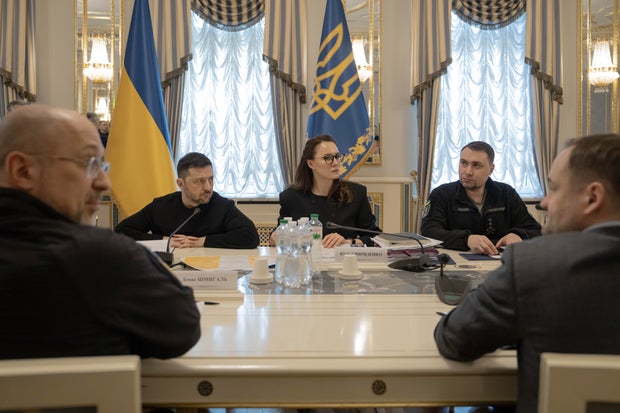
Ukraine’s President Volodymyr Zelenskyy has initiated significant changes in the country’s leadership. On Tuesday, Ukraine’s Parliament accepted the resignation of Prime Minister Yulia Svyrydenko, following Zelenskyy’s decision to revamp top leadership roles. This unexpected move has caught many by surprise, as the outgoing cabinet received credit for Ukraine’s recent progress against Russia’s continuing invasion.
Zelenskyy explained the reshuffle aims to prepare Ukraine for a challenging winter and to fortify relationships with key international partners. Political analysts believe these actions also signify a shift in Ukraine’s internal political calculations. Zelenskyy stated, “Ukraine is altering its political approach. Each foreign policy priority will be assigned to experts capable of executing our leader-level agreements and meeting the Ukrainian public’s expectations. The same applies to domestic endeavors, especially preparing for winter, which remains crucial.”
A prepared Ukraine is essential for facing potential threats in the coming months.
The changes are part of a broader strategy to address last winter’s challenges when Russia’s attacks on Ukraine’s energy infrastructure led to extensive power outages. Oleg Dunda, a Ukrainian parliament member, pointed to the previous cabinet’s failure to sufficiently prepare for winter, stating, “Either strengthen our resilience in time or let the cabinet bear full responsibility.”
Serhiy Koretskyi, CEO of Naftogaz, is anticipated to replace Svyrydenko. His technical expertise, particularly in the energy sector, positions him to tackle these weaknesses effectively. Yuriy Sak from Ukraine’s Ministry of Strategic Industries highlighted the urgency, noting, “With winter approaching, bolstering energy efficiency is imperative.” Additionally, Svyrydenko may soon serve as Ukraine’s Ambassador to the United States, reflecting her connections with the U.S. administration and past collaborations on economic agreements.
These realignments reflect Zelenskyy’s objectives to align personnel with governmental priorities. However, talks of replacing Defense Minister Mykhailo Fedorov, a figure credited with battlefield successes against Russia, have prompted pushback. Fedorov’s background in technology and strategic initiatives has earned him recognition, yet reports suggest tension with Ukraine’s military hierarchy, possibly seeing him as a rival to Zelenskyy.
Fedorov’s innovative leadership in military logistics, particularly disrupting Russian supply lines to Crimea, underscores his critical role. Although the Economist raised concerns over internal military dynamics, recent developments are reshaping the narrative.
Zelenskyy continues to deliberate on further changes. Recent meetings included potential new Prime Minister Koretskyi, acting Prime Minister Denys Shmyhal, Minister of Internal Affairs Ihor Klymenko, and Fedorov. Following a conversation with Fedorov, Zelenskyy emphasized, “Transformation across Ukraine’s Defense Forces must persist to sustain morale and ensure combat readiness.” The focus remains on leadership’s ability to achieve targeted outcomes.
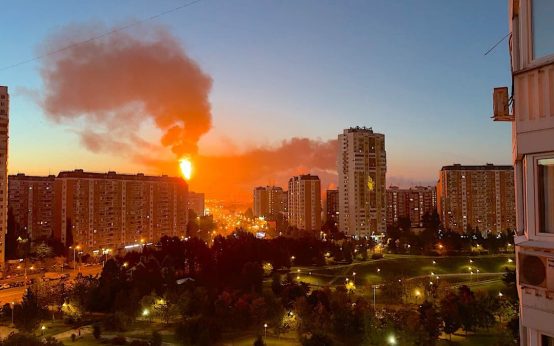 Ukraine Missile and Drone Barrage Hits Russia Amidst Elections
  A Mother’s Tragic Journey Under Abortion Ban
  U.S. Strategic Goals Remain Unmet Amid Prolonged Conflict
  New Photos Reveal Damage from Iranian Strikes in the Middle East
  Assassin of Chilean Diplomat Orlando Letelier Faces Deportation 50 Years After Assassination
 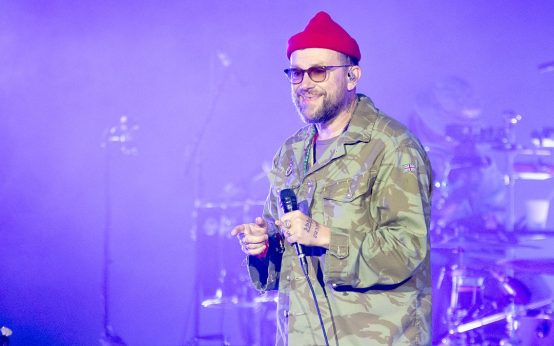 Gorillaz and Macklemore Respond to Controversy Over Israel-Palestine Statements