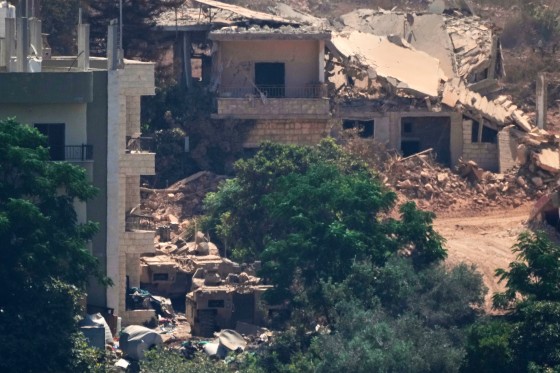
The Israeli army executed strikes in southern Lebanon on Wednesday, alleging that Hezbollah breached the ceasefire agreement. This development occurs as tensions persist following an explosion that killed two Israeli soldiers in the region.
Israeli military vehicles were observed in Zawtar al-Sharqiyah, a village occupied by Israeli forces. The latest escalation in military response comes after Israeli sources reported the deaths of two soldiers on Thursday. The explosion, which also severely injured four soldiers, occurred in Majdal Zoun. An Israeli military spokesperson indicated that the specifics of the explosion are under investigation.
On Wednesday, the Israeli military issued a warning for residents of Mansouri village to evacuate, marking the first such alert in weeks. Up to this point, Hezbollah has not responded publicly to the incidents.
An Israeli military official, who requested anonymity due to army policy, mentioned an explosion triggered at the site entered by Israeli troops. The nature of the explosive remains under examination.
The escalation coincides with Lebanese and Israeli negotiations in Rome. These talks aim to finalize a June agreement which stipulates Israeli withdrawal from southern Lebanon, allowing the Lebanese army to assume control in exchange for Hezbollah’s disarmament. Wednesday’s negotiations were interrupted due to the flare-up but were scheduled to resume the following day.
According to Lebanon’s Health Ministry, a person died and twelve were injured from Israeli strikes in Tebnine on Wednesday. The state-run National News Agency noted additional injuries in Burj al-Shemali from nighttime strikes. Shelling also impacted Mansouri and Majdal Zoun areas.
The Israel-Hezbollah conflict reignited on March 2, following Hezbollah’s rocket attack two days after U.S. and Israeli strikes on Iran. Since the conflict’s start, over 4,000 people have died in Lebanon, including numerous civilians. On the Israeli side, more than 40 soldiers and three civilians, including a military contractor, lost their lives.
Since June 20, a tentative truce has mainly held between Israel and Hezbollah. However, Israeli forces maintain control over parts of southern Lebanon and conduct intermittent military actions. Current talks in Rome center on creating “pilot zones” for phased Israeli withdrawal and increased Lebanese army presence.
The initial pilot zone was established in a non-occupied area previously subjected to Israeli attacks. Civilians in Zawtar al-Gharbieh began returning though many faced destroyed homes.
A diplomatic source involved in the talks reported that Lebanon expressed a desire to be involved in Khiam or Bint Jbeil, heavily contested regions in the ongoing conflict.
U.S. Ambassador to Lebanon Michel Issa advised cautious progression with the implementation, underscoring that swift actions could endanger civilian safety, the primary concern of the process.
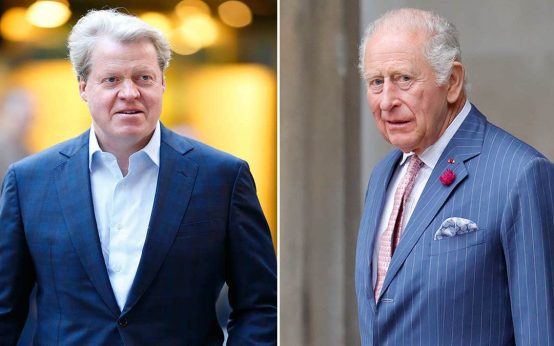 Princess Diana’s Brother Responds to Buckingham Palace’s Denial of Conversation with King Charles III
 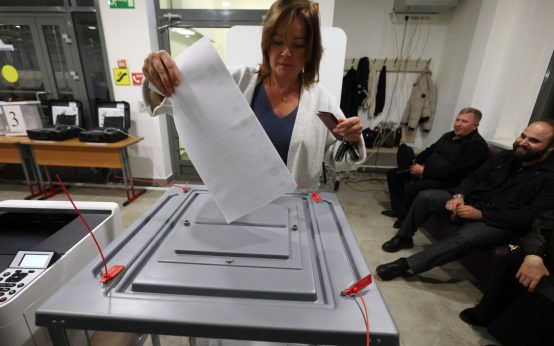 United Russia’s Election Victory and Its Implications
 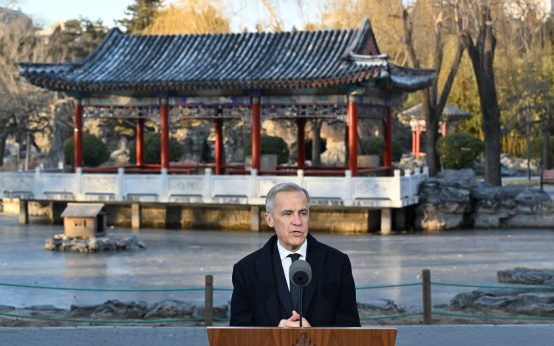 Canada’s Tariff on Chinese Electric Vehicles: Business Influence and Security Concerns
  The Cost of Challenging Beijing
  Tensions Escalate in Iran Conflict as Global Leaders Weigh Options
  White House Approves F-35 Sales to Saudi Arabia Amidst Regional Tensions