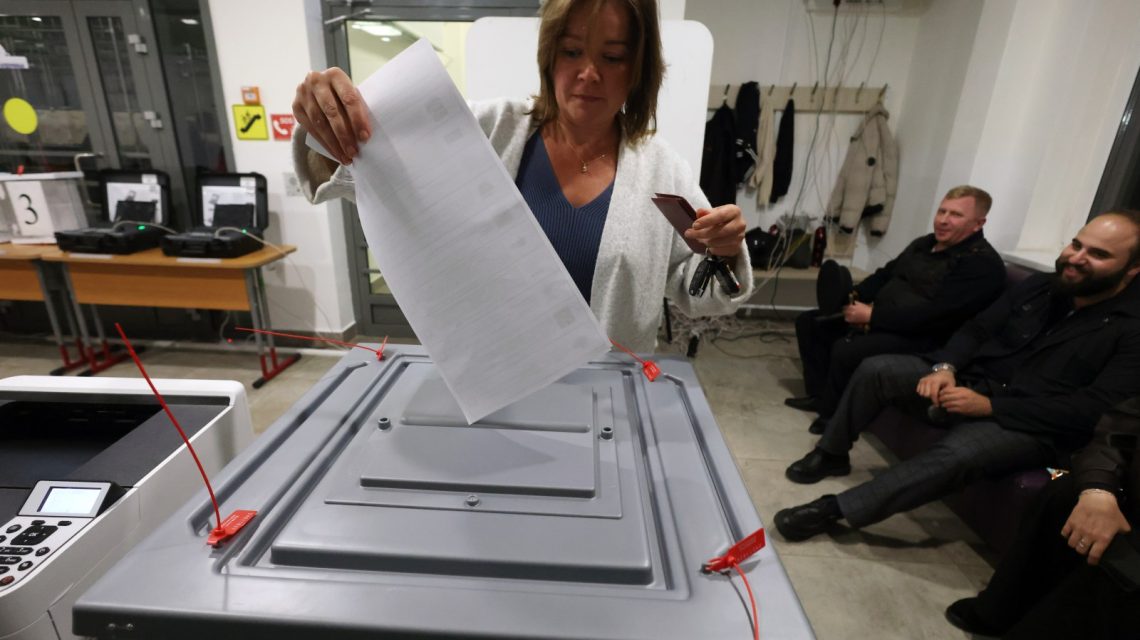
The United Russia party secured a record number of seats in the recent parliamentary elections. Analysts suggest President Vladimir Putin will view this as a mandate to persist with his policies on Ukraine.
The Central Election Commission (CEC) stated United Russia would occupy 355 seats in the 450-seat State Duma. This surpasses its past achievement of 343 seats in 2016. The party won nearly 58 percent of votes, dominating single-member districts.
Reports pointed to electoral issues like ballot stuffing and malfunctioning voting machines. Analysts noted that turnout figures seemed inflated amid economic difficulties and new U.S. sanctions. Newsweek has reached out to the CEC for further comment.
Economic Sacrifices Supported by Election Results
Sergei Guriev, former rector at Moscow’s New Economic School, provided insights on the results. He explained that Putin might use this victory to argue that Russians can handle economic austerity.
Guriev remarked, “Putin already said that the war is not free; it is costly.” He suggested Putin would see this election as evidence that Russians are willing to endure financial hardship.
Potential Military Mobilization
Speculation exists about a potential mass mobilization following the election. Kyiv predicts this could involve hundreds of thousands of troops.
The Kremlin denies plans for an immediate draft, although infrastructure has been developed to streamline troop call-ups. Concerns about forced mobilization persist due to Russia’s rising military spending and budget deficit.
Russian officials’ fear of being drafted has led to moving assets and encouraging relatives to leave Russia, as reported by Bloomberg.
Election as Verdict on Putin’s Policies
Yabloko, the anti-war party, was blocked from participating due to alleged election rule violations. This decision led to claims that the election lacked fairness.
Results showed United Russia gaining an eight-point increase from 2021. The official turnout was nearly 60 percent, the highest since 2003, though analysts question its authenticity.
The Kremlin aims for a controllable parliament to manage unforeseen events. United Russia will be joined by other parties such as the Communist Party and the Liberal Democratic Party.
Foreign Minister Sergey Lavrov stated that the election results endorse Putin’s foreign policy. Dmitry Medvedev assured that United Russia would continue supporting Putin’s objectives.
Despite demand for the war’s end, this sentiment didn’t translate significantly in the election outcome.
Economic Consequences of War
Economic effects of the war pose challenges for Putin, with warnings of stagnation from key financial figures.
Economic hardships are becoming more evident, with Ukrainian actions disrupting daily life and reducing war support.
As criticism within the government rises, some officials may seek to position themselves favorably if they foresee a shift in leadership.
According to Guriev, increased public criticism suggests emerging concerns about the war within political circles.
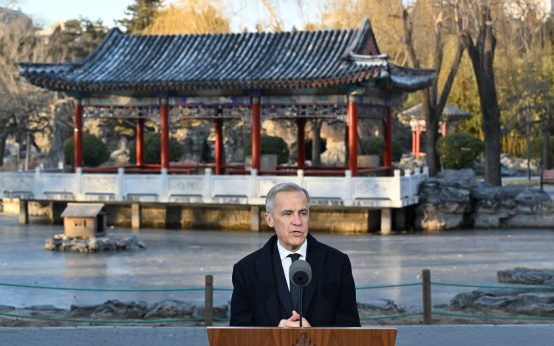 Canada’s Tariff on Chinese Electric Vehicles: Business Influence and Security Concerns
  The Cost of Challenging Beijing
 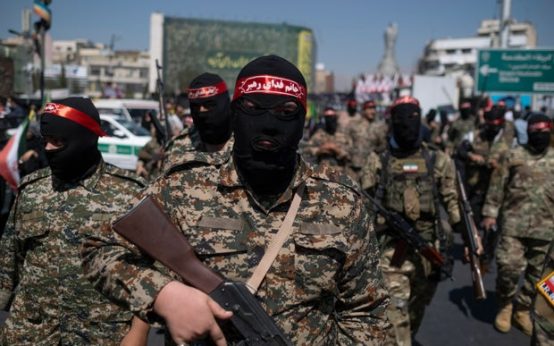 Tensions Escalate in Iran Conflict as Global Leaders Weigh Options
 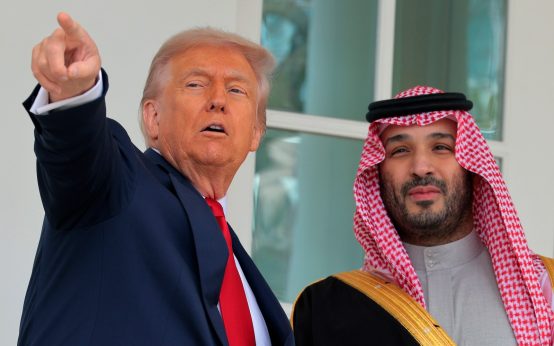 White House Approves F-35 Sales to Saudi Arabia Amidst Regional Tensions
  Inside the Secret Deals Powering the President’s Push to Deport Migrants to Countries Not Their Own
  Navigating the Challenges of Third-Country Deportations