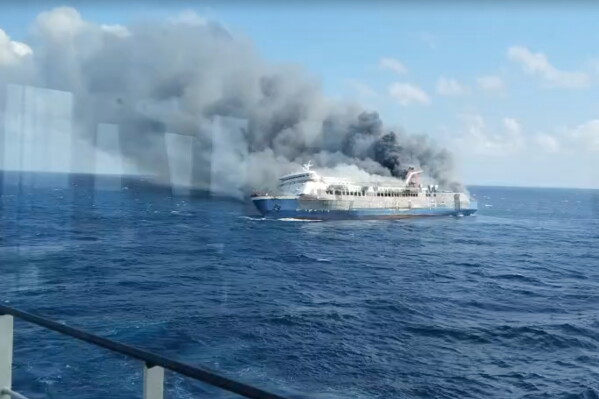
Recent attacks on U.S. and ally bases have highlighted a shift within the Iranian leadership regarding their war strategy. Leaders are united in maintaining a strong stance, showing that Iran can endure more than the U.S. and its allies. However, internal disagreements exist over the ultimate goal of this strategy.
Internal Divisions Among Iranian Leaders
One faction, known as the ‘Paydari’ or ‘stability’ movement, opposes any negotiations with the U.S., advocating for total victory in war. These hardliners wish to enforce the Islamic Republic’s control over society. In contrast, supporters of President Masoud Pezeshkian and Parliament President Mohammad Bagher Qalibaf view military pressure as a means to achieve a negotiated settlement with the U.S. They are motivated by Iran’s economic challenges and the need for social adaptability.
“Negotiation is a political tool and a complement to military action to bring the enemy to a point of coercion and extract real concessions,”wrote Mahdi Mohammadi, an advisor to Qalibaf.
Impact of the Supreme Leader’s Absence
The open rivalry points to a battle for Iran’s future post-war. A significant unknown is the stance of the new Supreme Leader, Ayatollah Mojtaba Khamenei, who has been unseen since being injured in an attack that killed his father. Both camps assert his support.
Attempts at a Cease-fire and Renewal of Conflict
The ceasefire deal with the U.S., backed by the Supreme National Security Council, collapsed as tensions continued. The lone dissenter in the council is believed to be Saeed Jalili, a prominent Paydari figure. Iran’s expectations for economic relief from the agreement were unmet, leading to resumed hostilities.
Paydari’s Influence in Iran
Paydari has demonstrated its power through public support at the funeral of deceased Leader Ayatollah Ali Khamenei, where anti-U.S. sentiments were evident. Their control over state media, known as IRIB, has been used to oppose negotiations, portraying Iran as heading towards total victory and censuring discussions of peace.
Pragmatic Views for Peace and Unity
Pragmatists urge listening to the public, focusing on economic distress and political repression amid high inflation and unemployment rates. A potential deal with the U.S. could bring significant economic benefits by lifting sanctions and freeing assets.
Recently, over 250 public figures signed a petition against the war, highlighting its costs. A reformist party supporting Pezeshkian expressed concerns over the war’s internal impact, a view criticized by conservative media linked to the Revolutionary Guard.
The pragmatic camp stresses the need to balance military goals with economic realities. Youssef Pezeshkian, the president’s son and advisor, emphasized Iran’s prolonged hardships from sanctions and conflict.
Looking Towards Iran’s Future
Both sides are focused on post-war power dynamics amid leadership change. The future role of Supreme Leader Mojtaba Khamenei is uncertain. While some anticipate a more radical approach, others hope for moderate reform.
The Supreme Leader could act as a restraint against extremists, but long-term confrontation with radical factions could escalate if these checks aren’t applied effectively.
 Ukraine Missile and Drone Barrage Hits Russia Amidst Elections
  U.S. Strategic Goals Remain Unmet Amid Prolonged Conflict
  New Photos Reveal Damage from Iranian Strikes in the Middle East
  Assassin of Chilean Diplomat Orlando Letelier Faces Deportation 50 Years After Assassination
  Gorillaz and Macklemore Respond to Controversy Over Israel-Palestine Statements
  Investigation into Lion Deaths in Tanzania