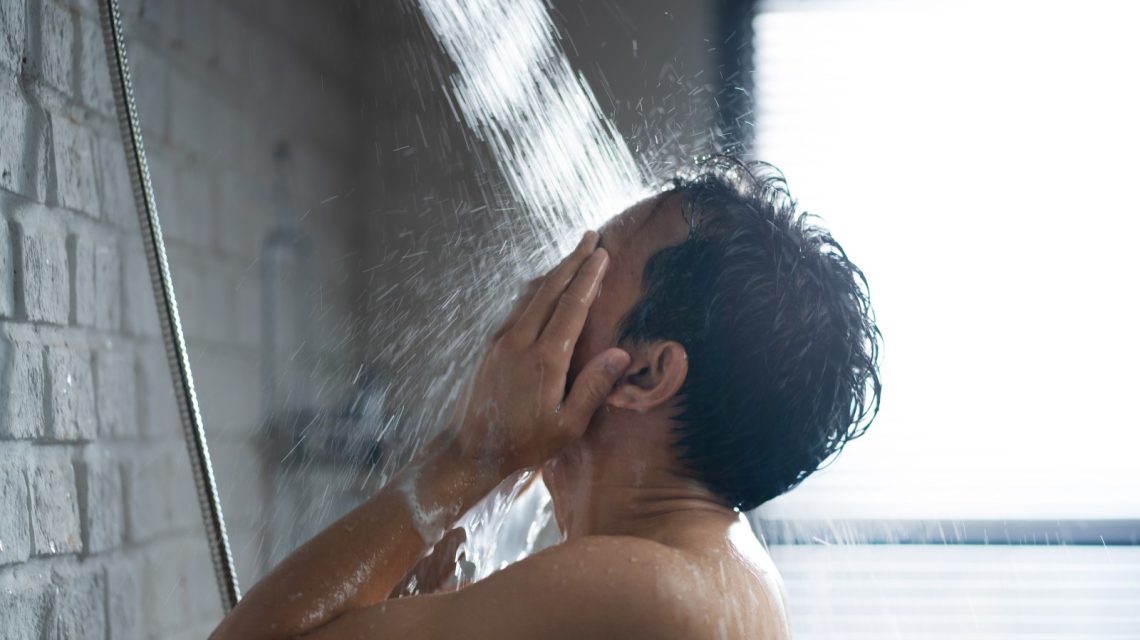
A recent study indicates that decisions made during showers, such as hair washing habits and water usage methods, may significantly affect household water consumption. Researchers discovered that shower routines, like repeated shampoo applications, contribute more to extended showers than age, gender, or household traits. The study, published in the Journal of Environmental Management, reports that showers represent 25 to 45 percent of indoor household water use, making them the largest contributor to water consumption within homes.
The research team examined shower behavior in 319 households in Germany. Smart sensors installed in bathrooms documented 8,550 shower events over 40 days, observing shower duration, pauses in water flow, and environmental conditions. This data was combined with post-shower surveys that gathered information on demographics, hair features, and product usage.
The findings show that shower behaviors significantly influence length. A notable pattern emerged concerning shampoo use. Showers where participants applied shampoo twice or more lasted roughly 27 percent longer than those with a single application. “The main drivers of water use depend on activities in the shower, not demographic factors,” explained Dr. Pablo Pereira-Doel, co-author of the study and fellow at the Institute for Sustainability at the University of Surrey. “Routines like double shampooing and leaving water running while lathering can greatly extend shower time.”
The study also identified a link between water-flow interruptions and longer showers. Shower durations increased by about 20 percent when participants paused water three or more times versus those who never paused. In contrast to individuals pausing water once, showers extended by approximately 28 percent.
Age factored into shower length, with younger and middle-aged adults typically spending more time under the shower than those over 50. Further, water hardness influenced shower duration. Regions with soft water saw showers lasting around 23 percent longer compared to areas with hard water. This may stem from soft water generating a richer lather, enhancing the washing experience and possibly encouraging longer showers.
The Environmental Protection Agency notes that the average American shower lasts about eight minutes, using approximately 16 gallons of water. While traditional efforts to reduce water demand focused on technological or economic strategies, researchers argue that addressing shower behaviors may prove more effective. Suggested methods include promoting single shampoo applications and reminding individuals to turn off water while lathering. Additionally, behavioral cues, feedback devices, and product design modifications could contribute to reduced water usage without compromising comfort.
“To lower household water consumption, solutions should align with existing habits,” said Pereira-Doel. “Behavioral nudges, advanced feedback devices, and improved product designs can support water conservation while maintaining shower comfort.” The study concludes that small actions in showers can significantly impact water use. While technology remains vital in water conservation, understanding daily habits is equally essential in reducing household consumption.
 California Prepares for El Niño-Fueled Storms with Emergency Declaration
  California’s Growing EV Adoption: Challenges and Benefits
  Data Centers in Virginia face Growing Opposition
  EPA Dismantles Greenhouse Gas Rules, Causing Concern
  How Battery Innovations Transform Renewable Energy
  Data Centers Stir Controversy in Texas Amid Growth Boom