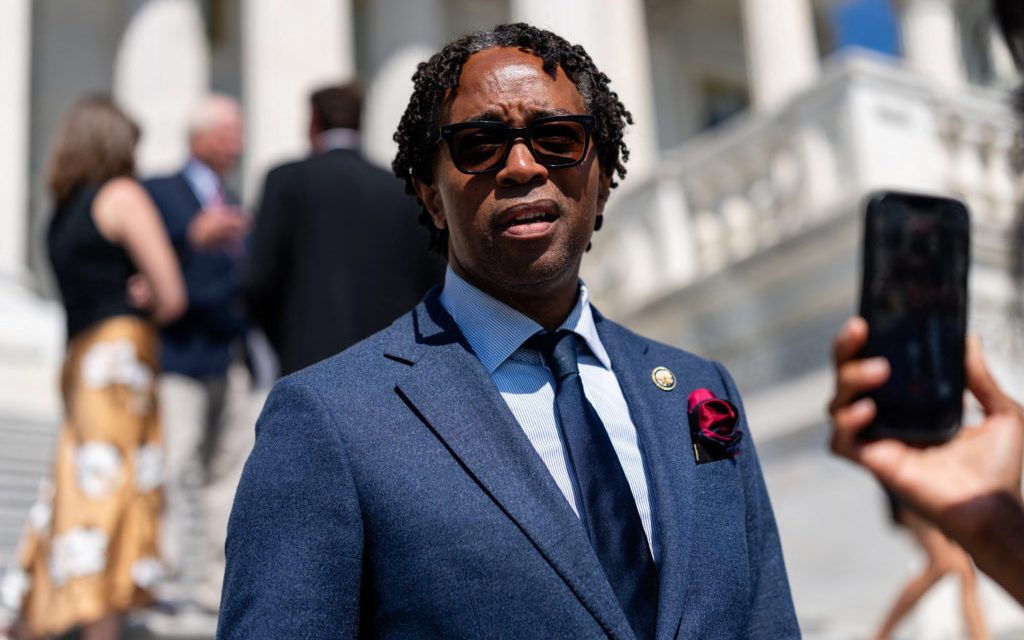
In St. Louis, former Rep. Cori Bush stood outside the courthouse where the historic Dred Scott case was argued in 1847. Compelled by her recent defeat in Congress, Bush emphasized the need to reverse what she sees as another setback. ‘We’re standing here saying, send back that descendant, send her back to the place that enslaved people built,’ Bush declared, as the crowd echoed her sentiment by chanting ‘send her back.’
Bush’s political journey began as a Black Lives Matter organizer in Ferguson before she served two terms in Congress. She then lost a primary challenge to Wesley Bell, a moderate prosecutor. Now, they face each other in a fierce rematch, representing opposing approaches within the Democratic Party. This contest highlights growing disenchantment with established leaders, skepticism towards alliances with Israel, and the influence of democratic socialists.
Both candidates share roots in the civil rights movement that surged after the 2014 police shooting of Michael Brown. However, they have chosen distinct paths. Bell, who describes himself as pragmatic, seeks reelection. Bush, intertwining legislation with activism, aims to return to office.
Bell has branded Bush as ineffective, while Bush attributes her previous loss to influence from the American Israel Public Affairs Committee (AIPAC). She claims her defeat only intensified her resolve.
This time, Bush’s criticisms of the war in Gaza and Democratic leadership resonate more widely. Backed by pro-Palestinian activists, Black Lives Matter organizers, and democratic socialists, Bush rallies her support base. Meanwhile, Bell connects with constituents like senior citizens, presenting himself as a dedicated lawmaker.
Early voting for the Aug. 4 primary commenced, and tensions continue to rise. The candidates levy accusations of misconduct against each other. Bush points to a lawsuit against Bell by protesters and highlights discrimination claims from his time as a prosecutor. Bell counters with past investigations into Bush’s campaign spending. Both deny wrongdoing.
AIPAC’s involvement has attracted national attention. This group advocates for stronger ties between the U.S. and Israel, stirring debate within the Democratic Party. Former Rep. Jamaal Bowman, a Bush ally, voices his support, rallying progressives nationwide.
As criticism towards Israel intensifies, concerns about antisemitism grow among moderate Democrats and Jewish Americans. During a recent event, Bush’s support of diverse voices included controversial remarks, which she later addressed by condemning hate rhetoric.
In financial terms, AIPAC’s United Democracy Project has spent over $1.2 million against Bush, mirroring their previous spending. New Democrat Majority, supporting moderate Democrats, has allocated another $1 million. Bell stresses the importance of alliances, emphasizing his committee roles and the need for collaboration with allies like Israel.
The district’s activist history strongly influences the campaign. Residents’ concerns vary, from recovery efforts following a tornado to the impact of money in politics. Voters like Allison Johnson express apprehension over significant financial contributions shaping the race.
Having witnessed Bush and Bell rise as Black Lives Matter figures, some residents feel disheartened by the primary’s divisiveness. Bell’s work on police reform as part of the Ferguson city council earns him support, while Bush’s appeal lies in her unyielding challenge to authority.
For trusted journalism and civil dialogue, maintaining a free press is vital to democracy.
 A Mother’s Tragic Journey Under Abortion Ban
  U.S. Strategic Goals Remain Unmet Amid Prolonged Conflict
  The Impact of Arts and Closure on Democracy
 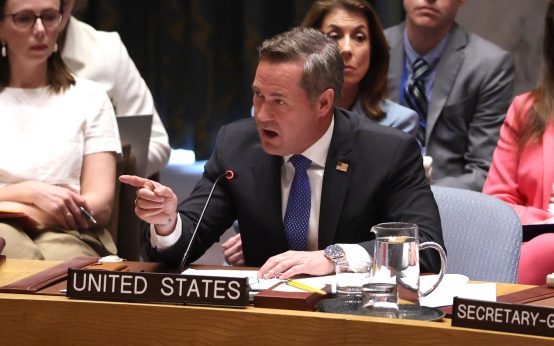 U.S. Ambassador Comments on Iran War Duration Amid Political Concerns
 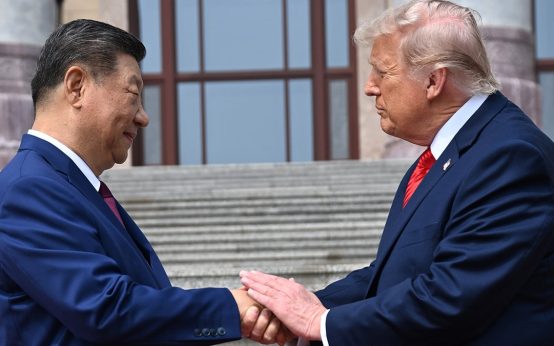 US-China Relations Under Scrutiny: Expert Warns of Escalating Tensions
  No Timeline for End of Iran Conflict