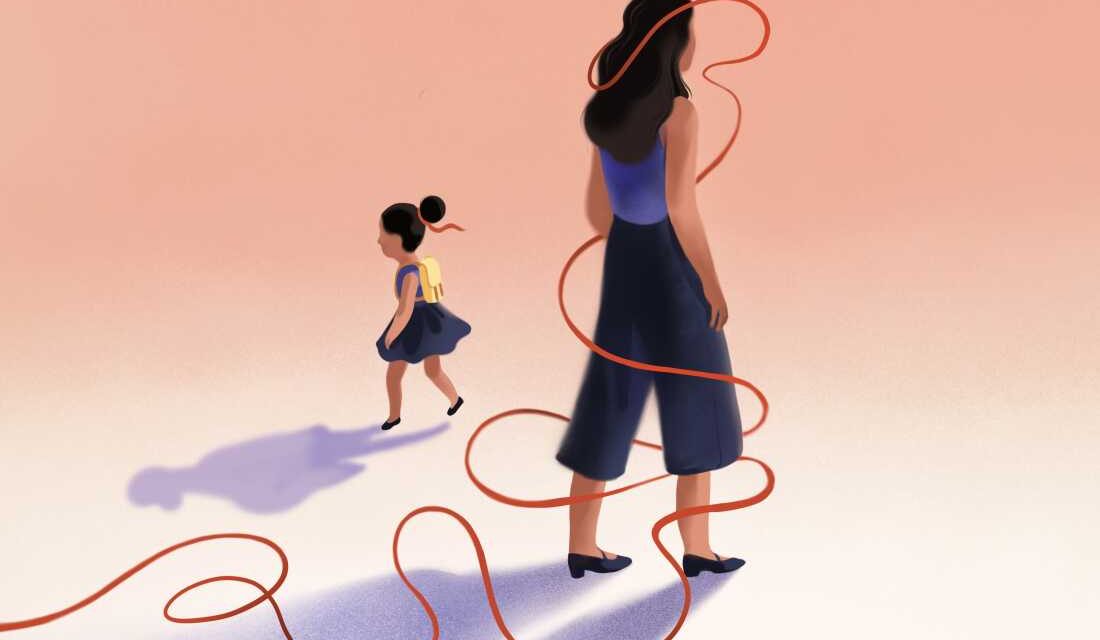
Kate Jarvis found school easy as a child in the 1980s. Known for her straight-A grades and organization, her mother often praised her. However, as puberty began, Kate’s ability to focus waned, leading to slipping grades and a blow to her self-esteem. Diagnosed with anxiety and depression in high school, she grappled with feeling out of place. Feedback from teachers about her unfulfilled potential felt personal, masking her undiagnosed ADHD. Not until her 30s did she find answers, realizing her long-standing challenges had a name and a basis.
The story of Kate Jarvis is not isolated. ADHD, once thought to be primarily a boys’ disorder, often exhibits differently in girls. Instead of hyperactive behavior, girls might appear distracted or disorganized, leading to misdiagnosis or delayed diagnosis, explains Julia Schechter, a clinical psychologist and co-director of the Duke Center for Girls and Women with ADHD.
Researchers highlight that many women experience years of unnecessary treatment for anxiety or depression without addressing ADHD.
This lack of diagnosis can severely impact lives. ADHD affects numerous aspects of life, including social interactions and self-esteem. Women with ADHD often face more severe consequences than men, such as relational abuse, teenage pregnancies, and emotional struggles. Furthermore, they have higher incidences of obesity, eating disorders, and cardiovascular diseases, says Dr. Patricia Quinn, an expert in women’s ADHD.
A study revealed women with ADHD have a significantly shorter life expectancy. Greater awareness around gender differences in ADHD has led to an increase in adult female diagnoses, reaching nearly 7 million cases in the U.S. by 2023.
Midlife Challenges and ADHD
The complexity of adult life often exacerbates symptoms that women have managed to conceal. Clinical psychologist Ellen Littman mentions that a ‘breaking point’ is common as life’s demands increase. For Amy Reyer, this moment arrived at 48, amid family responsibilities and work pressures. Previously undiagnosed ADHD contributed to her struggles with focus and an assumption of inherent difficulty in life tasks.
Perimenopause compounds ADHD symptoms due to estrogen level fluctuations. Many women discover their ADHD during this period, says neuropsychologist Jeanette Wasserstein. Treatment often includes medication that, for some like Reyer, provides significant relief.
Comprehensive Treatments Beyond Medication
While medication is crucial, it is not the only solution. Dr. Quinn suggests hormone therapy during perimenopause could be beneficial, alongside therapy aimed at challenging internalized negativity. Ellen Littman stresses the importance of therapy in reframing self-perceptions rooted in ADHD.
Further lifestyle adjustments, such as exercise and diet, are vital, notes Kathleen Nadeau, a clinical psychologist specializing in ADHD. She encourages women to seek environments that play to their strengths.
For some, a late diagnosis of ADHD leads to radical personal and professional transformation. Ruth Danoff, diagnosed at 50, transitioned from administrative roles to entrepreneurship and advocacy, helping other women recognize and manage their ADHD.
Kate Jarvis emphasizes the value of seeking a diagnosis, regardless of age, as it opens avenues to treatment and self-acceptance. Understanding ADHD can lead to profound personal joy and fulfillment.
 Lymphatic Drainage and Ice Sculpting: Emerging Wellness Trends
  The Rising Trend of GLP-1 Medications Among College Students
  The Challenges and Opportunities of Testosterone Therapy for Menopausal Women
  Long-Term Health Impacts of 9/11 and the Continuing Response
  Mental Health Challenges for Women with Type 2 Diabetes
  Debate on Integrating Race into BMI Guidelines Among Doctors