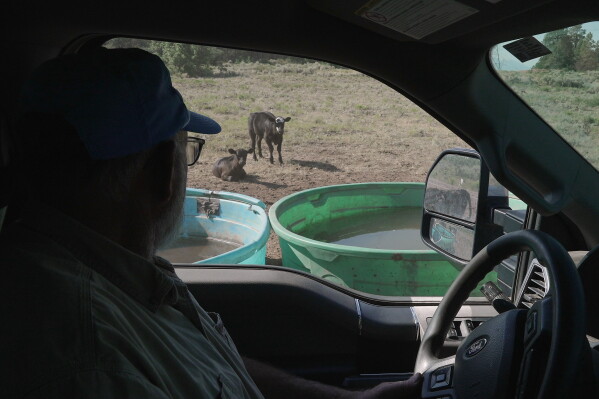
In Montrose, Colorado, water scarcity has become a daily burden for ranchers like Scott Snyder. Managing Mex and Sons Ranch with his family, Snyder faces constant challenges to secure enough water for their cows.
Due to the worst snowpack on record in the Upper Colorado River Basin, many ranchers like Snyder adjust to the shortages. Historically, snowmelt sustained ponds and springs, but this is no longer reliable. Human-caused climate change has made such droughts increasingly common, demanding more resources from ranchers.
To adapt, Snyder and his brother Monte have downsized their herd, invested in hay, and stretched their operations. They now also transport water regularly, often seeking help from local landowners with access to reservoirs.
“If Mother Nature doesn’t want to help out here, we’re probably in a lot of trouble,” Snyder noted, emphasizing the need for external water sources.
Mark Ragsdale, a water commissioner who also raises livestock, shares similar difficulties. He hauls water to his cattle using his solar-powered well, taking advantage of a recent small monsoon.
The extreme drought in the Upper Colorado River Basin is not expected to recur immediately. However, Adrienne Marshall from the Colorado School of Mines warns that successive years of smaller droughts could exacerbate the problem, fueled by rising greenhouse gas emissions.
To cope, some ranchers have expanded fleets of water trucks. Lance and Zandon Bray increased their fleet after the severe dryness and received partial reimbursement from the U.S. Department of Agriculture. Yet, time and emotional engagement remain challenging aspects.
Zandon Bray shared the emotional strain, “I’m gonna fight like hell this year so I can turn around and fight like hell next year.”
In northern New Mexico, Stanford Salazar juggles his job and daily water hauling. His ponds now offer little relief compared to winters where snow piles gained several feet.
“With the changing of weather, we’re not getting big winters. We used to get 4 to 5 feet of snow. Now we’re lucky to get a foot,” Salazar explained.
In Utah, Jeff Christensen faces deep drilling costs for new wells, hoping to reduce reliance on hauling. With a grant partly covering these expenses, Christensen remains focused on water management.
The Associated Press, with support from the Walton Family Foundation, reports these ongoing struggles of ranchers as they adapt to changing environmental conditions.
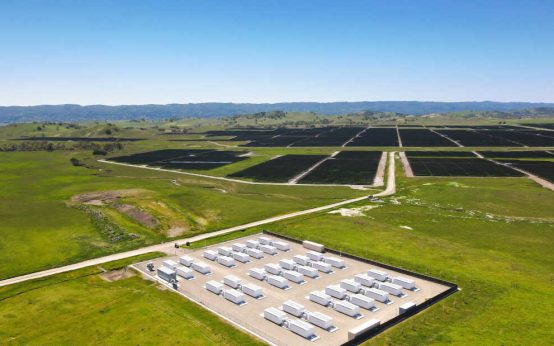 How Battery Innovations Transform Renewable Energy
  Data Centers Stir Controversy in Texas Amid Growth Boom
 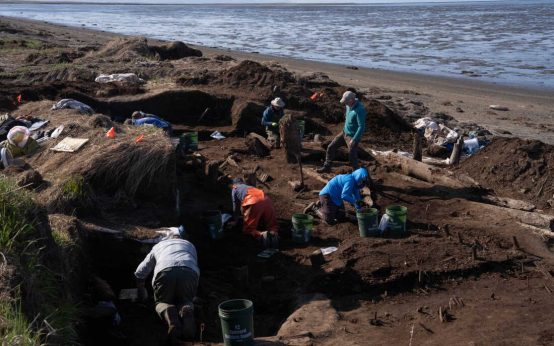 Urgent Archaeological Efforts in Quinhagak Stay Ahead of Erosion
 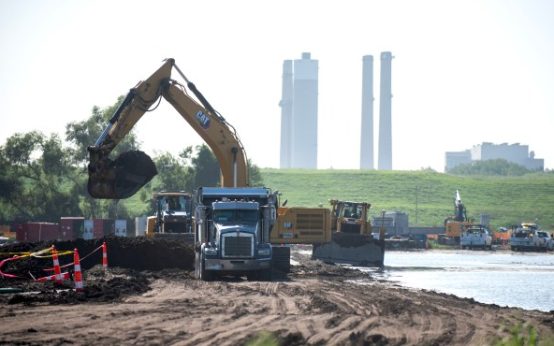 Concerns Rise Over NIPSCO Permit In Jasper County
  Reader Reactions on Grizzlies and Data Centers
  Managing the Crisis of Drying Rivers