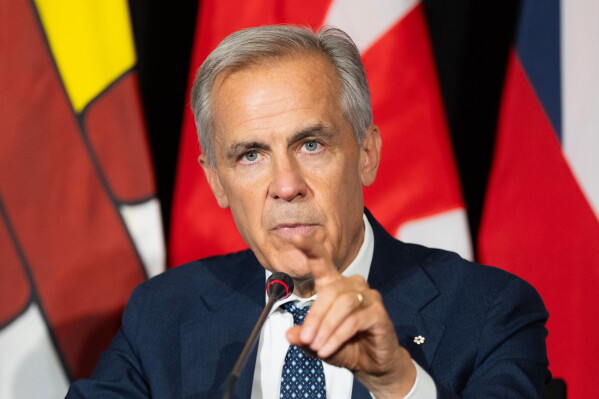
The U.S. government, under President Donald Trump, is imposing new tariffs ranging from 10% to 12.5% on imports from 60 trading partners. This decision addresses the inadequate enforcement of bans on goods produced using forced labor. These tariffs coincide with the expiration of temporary 10% tariffs imposed earlier.
Historical Context and Legal Basis
The U.S. has long enforced a ban on imports involving forced labor. According to U.S. Trade Representative Jamieson Greer, it’s essential for trading partners to adopt similar measures. The new tariffs stem from Section 301 of the Trade Act of 1974, used previously against China, allowing sanctions for discriminatory trade practices.
Impacts and Reactions
Countries such as India have seen their tariffs adjusted downwards due to improved enforcement on forced labor. However, certain products, like oil and gas, remain exempt. Critics argue these tariffs exploit a serious issue for economic gain. U.S. Rep. Richard Neal and Brazil have expressed strong opposition, with Brazil considering retaliatory tariffs.
Chile disputes their inclusion under the tariffs, citing robust labor standards. Canada acknowledges the move, noting shared goals of preventing forced-labor goods. This comes amid domestic frustration with high living costs, potentially impacting the upcoming midterm elections.
Forced Labor Statistics and Global Perspectives
The International Labor Organization identifies about 27.6 million individuals globally in forced labor. Responding to this, advocacy groups like The Human Trafficking Legal Center call for phased tariff implementations to allow countries to set up effective bans.
The Uyghur Forced Labor Prevention Act in the U.S. highlights existing legislative efforts against forced labor, targeting imports from China’s Xinjiang region. Experts like Kenya Davis and Isabelle Glimcher note these tariffs could heighten awareness and spur policy changes internationally.
 The War on Poverty: A Lesson on Intentions and Outcomes
  Reporters Blocked from White House by Trump Administration
  Universities Should Reject Political Influence on Research Funding
  Trump’s Approach to China: Trade Dynamics and Challenges
  Media Outlets Sue After White House Ban
  American Public Opinion on Press Freedom