
Climate opinion often defies simple political labels. For instance, a young Republican may support solar energy while opposing a carbon tax. Similarly, two Democrats might agree on the reality of climate change but disagree on policies that penalize households for exceeding energy limits.
These examples reveal the complexity of climate-related opinions. They highlight the diverse views within political groups, challenging assumptions that party affiliation dictates specific stances on environmental issues.
Solar Energy vs. Carbon Tax
Solar energy finds support due to its potential to reduce energy costs and reliance on fossil fuels. In contrast, a carbon tax imposes financial burdens. This difference can appeal to fiscally conservative individuals who prefer market-driven solutions over additional taxes.
Diverging Democratic Views
Among Democrats, support for climate change action is generally strong. However, when it comes to policies such as charging households extra for high energy consumption, opinions can differ. These disagreements may stem from concerns about fairness and the impact on economically disadvantaged households.
“Environmental policy often requires balancing economic and environmental goals. This balance evokes varied opinions even within political groups.”
The examples of differing views emphasize a need for nuanced approaches in climate policy discussions. Acknowledging intra-party differences can lead to more inclusive and effective solutions.
 Data Centers Stir Controversy in Texas Amid Growth Boom
  Urgent Archaeological Efforts in Quinhagak Stay Ahead of Erosion
  Concerns Rise Over NIPSCO Permit In Jasper County
  Reader Reactions on Grizzlies and Data Centers
  Managing the Crisis of Drying Rivers
 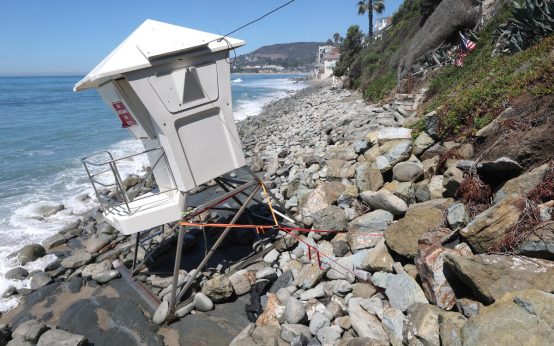 Impact of Kelvin Waves on Southern California