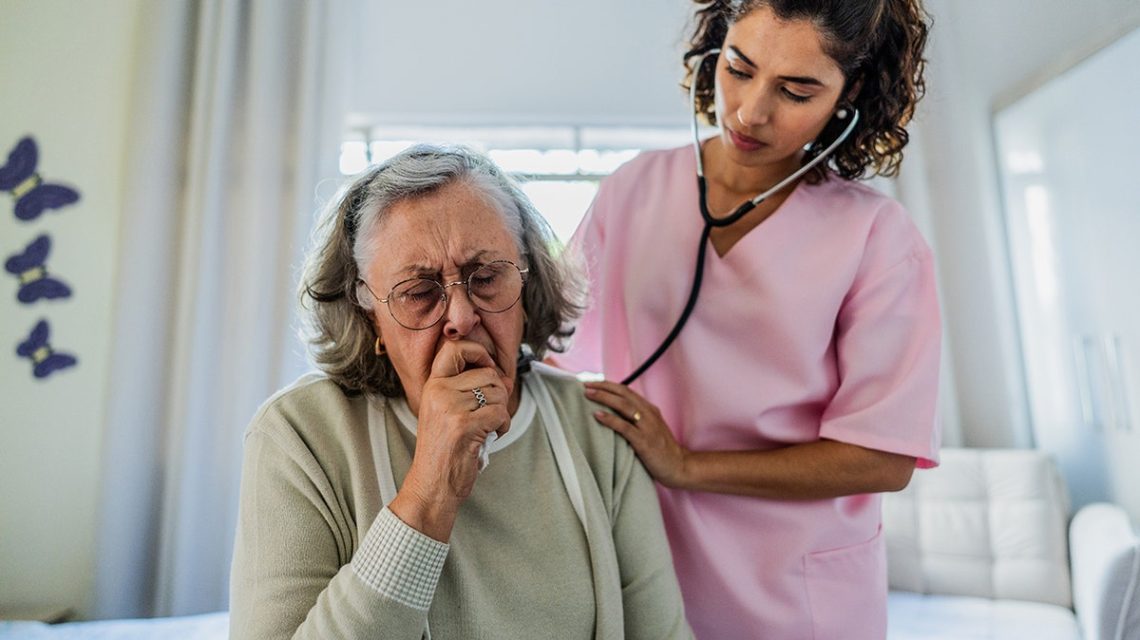
As New York City investigates an outbreak of Legionnaires’ disease, concerns grow about its impact. The New York City Department of Health and Mental Hygiene reports five deaths and 82 cases linked to the Upper East Side. Eight individuals remain hospitalized. Recent data shows no new cases in six days, suggesting the outbreak’s source may be controlled, though investigations continue.
Understanding Legionnaires’ Disease
Legionnaires’ disease is a severe type of pneumonia. It spreads through tiny water droplets containing Legionella bacteria. Sources of infection include cooling towers, hot tubs, and plumbing in building water systems. This disease does not typically transmit from person to person.
Dr. Dana Mordue of New York Medical College highlights that infection occurs when contaminated water droplets become aerosolized, allowing them to be inhaled. Occasionally, people may contract the disease by aspirating contaminated water into the lungs. Outbreaks are often linked to commercial buildings’ water systems.
Symptoms and Treatment
Common symptoms include cough, shortness of breath, fever, muscle aches, and headaches. Additional symptoms may involve diarrhea, nausea, and confusion. Symptoms manifest between 2 to 14 days post-exposure. Antibiotic treatment is usually necessary.
Mordue notes that mortality rates are low among healthy, immune-competent individuals. However, increased risk exists for older adults, smokers, and those with compromised immune systems, similar to COVID-19 risk factors.
Prevention Measures
- Maintain building water systems: Implement water management programs to prevent Legionella growth.
- Clean and disinfect cooling towers: Routine cleaning and disinfection are vital to controlling bacteria.
- Prevent stagnant water: Ensure proper water flow and flush infrequently used pipes.
- Regulate water temperature and disinfectant levels: Keep water temperatures and disinfectant levels in check to curb bacterial growth.
Early medical care is crucial for those exposed to Legionnaires’ disease. Diagnosis and antibiotics can mitigate severe illness risks. People with certain risk factors, especially advanced age, should seek prompt medical attention if symptoms develop.
For further information or news tips, Melissa Rudy, senior health editor at Fox News Digital, can be contacted.
 Managing Distress: Insights and Techniques
  Best Practices for Safe Consumption of Fresh Produce
  The Complexity and Prevention of Suicide
  A Journey Through Cancer: Reflections on Diagnosis and Metaphor
  Impact of Sleep Types on Disease Risk
  Understanding School Shooting Preparedness Drills