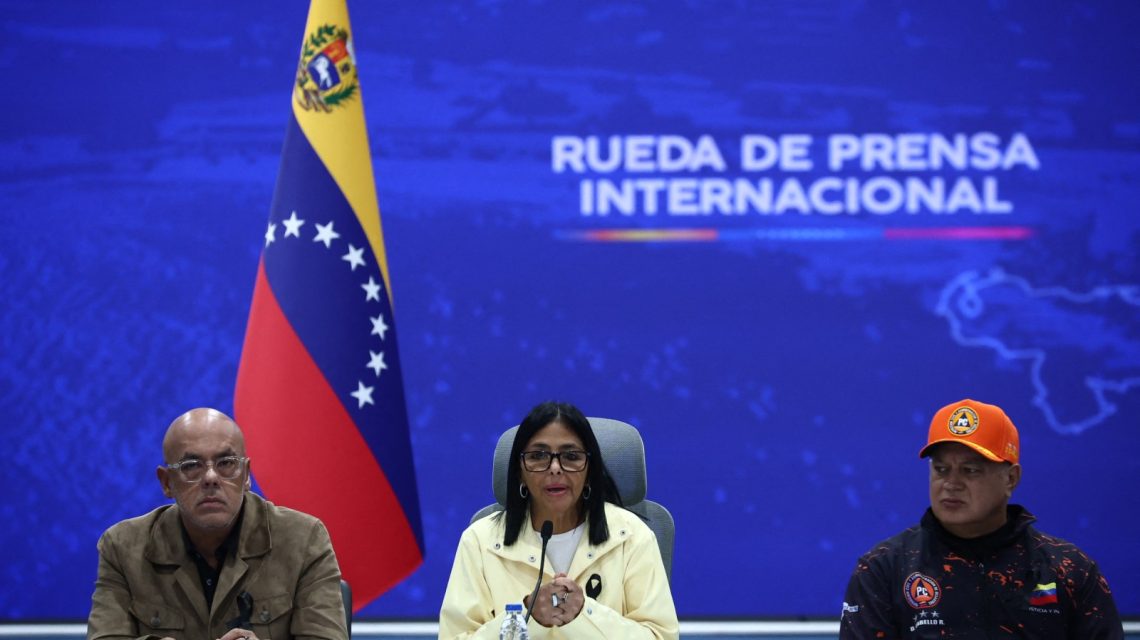
The Trump administration is pursuing separate legal strategies concerning two influential figures in Venezuela. A U.S. federal judge has set a June 1, 2027, trial date for former Venezuelan president Nicolás Maduro and his wife, Cilia Flores. They face drug trafficking charges and have been detained in a Brooklyn jail since U.S. forces apprehended them in a January raid. Both have pleaded not guilty.
Conversely, the administration has informed a federal court in Florida that Delcy Rodríguez, recognized by Washington as Venezuela’s acting president, is immune from a $314 million civil judgment. The judgment is related to the torture of three Americans previously held in Venezuela. The Justice Department cited that as the U.S. acknowledges Rodríguez as Venezuela’s sitting head of state, she cannot be prosecuted in American courts while she holds office.
This approach signifies a Venezuela policy moving in two distinct directions. The administration has hailed Maduro’s ousting as a foreign policy victory while simultaneously protecting Rodríguez’s government, including officials accused of prior repression akin to Maduro’s era.
The mixed signals reflect different agendas in the administration,Benjamin Gedan, a senior fellow and director of the Latin America Program at the Stimson Center, stated.
According to Gedan, Trump is clear in his priorities, favoring increased oil production and opportunities for U.S. businesses in Venezuela’s energy and mining sectors. He appears supportive of Delcy Rodríguez, posing her as an unelected leader in Venezuela. Secretary of State Marco Rubio’s stance differs, as he has historically called for political transitions in Venezuela and remains committed to this cause. Rubio encourages negotiations between the Venezuelan government and the democratic opposition.
María Corina Machado, a Nobel Peace Prize laureate and opposition leader, faces discouragement from returning to Venezuela. U.S. officials fear her return could threaten the fragile arrangement with Rodríguez. Despite this, analysts argue the legal basis of Rodríguez’s recognition is questionable, noting no election has occurred since Maduro’s capture, defying the Venezuelan constitution’s provisions.
Laura Dib, Venezuela program director at the Washington Office on Latin America, explained that recognizing Rodríguez does not solidify Maduro’s defense due to the U.S. never acknowledging Maduro’s presidency. Dib insists the U.S. is banking on Rodríguez for stability, risking bolstering an authoritarian regime instead of fostering genuine stability and Venezuelans’ wellbeing.
Regarding Iran, Trump has likened Venezuela’s scenario to a model for rapid regime change. This comparison faces criticism as Venezuela’s situation holds complexities beyond mere narratives. Analysts point out that U.S. policies seem more narrative-driven than results-oriented.
Rising oil production and potential American investments in Venezuela face skepticism. Dib emphasizes the complexities new businesses encounter, citing layers of bureaucracy and a corrupt judicial system. While oil output expands, everyday benefits remain out of reach for ordinary Venezuelans.
Earthquake Impact on Venezuela
Venezuela’s condition has worsened since recent earthquakes. Official death tolls exceed 5,000, with thousands displaced. Emergency responses are limited, and transparency issues persist. Public frustration with government officials grows as Venezuela grapples with enduring socioeconomic challenges.
Ronald Rodríguez asserts that these developments challenge the administration’s narrative of stabilized governance. He notes that migration pressures reignite, altering the portrayal of Venezuela’s progress.
 U.S. Strategic Goals Remain Unmet Amid Prolonged Conflict
  New Photos Reveal Damage from Iranian Strikes in the Middle East
  Assassin of Chilean Diplomat Orlando Letelier Faces Deportation 50 Years After Assassination
  Gorillaz and Macklemore Respond to Controversy Over Israel-Palestine Statements
  Investigation into Lion Deaths in Tanzania
 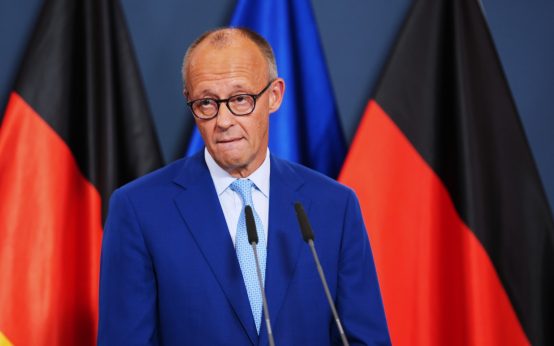 Merz Stays Resolute Amid Electoral Shifts in Germany