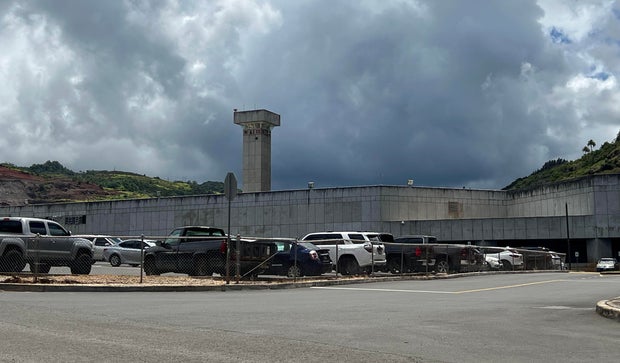
ʻAIEA, Hawai’i — Christian Alameda uses a cane to move around his cell at the Halawa Correctional Facility in Honolulu. He has been there since January after suffering a stroke that paralyzed the right side of his body. In February, Hawai’i’s parole board granted him compassionate release to seek medical care due to his condition. However, Alameda remains confined as no long-term care facility is willing to accept him.
Compassionate release is a provision available in all states, allowing prisoners to leave early for medical reasons. In Hawaiʻi, the process lacks a specific law and operates on an internal policy. Prisoners eligible for release either cannot care for themselves or have serious illnesses requiring specialized care. Yet, many care facilities refuse such prisoners due to their criminal histories, leaving them in prison months or even years after they are supposed to be freed.
A report in Rhode Island noted that nursing home admissions declined when facilities learned patients were coming from prison. In Colorado, prisoners with significant medical needs stayed an average of 200 days post-parole due to rejection from care centers. In New York, lawsuits have been filed over similar refusals.
The One Big Beautiful Bill Act, enacted during Donald Trump’s presidency, complicates Medicaid eligibility, affecting reimbursement for new patients from prison. Facilities now risk not getting paid if Medicaid applications are delayed, urging timely submissions.
The American Health Care Association’s 2024 report shows that most U.S. nursing homes already have waiting lists. Bob Merce, an advocate for compassionate release, noted this is another barrier to finding placements for released prisoners. Despite their non-violent nature, former inmates often face these roadblocks due to staff safety concerns and resource limitations at nursing facilities.
Hawaiʻi’s state prison, the Halawa Correctional Facility, is the only medium-security facility with an infirmary where prisoners like Alameda remain until a facility is found. In charge of reviewing long-term care admissions for the region, Sean Sanada from Hawai’i Health Systems Corp. expressed that the main concern is staff safety and adequate resources.
Taxpayers bear the cost when prisoners remain in prison despite being released. Housing prisoners with complex needs may cost up to eight times more than Medicaid reimbursements for long-term care. In states like Connecticut and Georgia, contracts exist with facilities prepared to accept medical parolees.
Arranging placements often depends on family intervention. Corey Reincke from the Hawai’i Paroling Authority remarked that placements without family assistance are rare. Reincke once contacted over 100 care homes, but safety concerns led to refusals.
In 2025, Paul Kupihea received compassionate release but died before relocation to his home in Hilo. His family, informed too late about his cancer diagnosis, could not intervene in time.
Efforts to legislate compassionate release continue, but legal guidance remains lacking. The absence causes delays and risks lives. In Alameda’s cramped cell with a metal toilet and concrete view, he hopes to reunite with his daughter, seeking a change in life for her sake.
 Understanding School Shooting Preparedness Drills
  The War on Poverty: A Lesson on Intentions and Outcomes
  Florida Reports First Dengue Fever Death as Outbreak Expands
  Federal Relief Funds Used for Anti-Racism Training in Albuquerque Schools
  Florida Man Claims ‘Lion Diet’ Transformed Health and Life
  Concerns Over Food Safety and Its Impact on Families