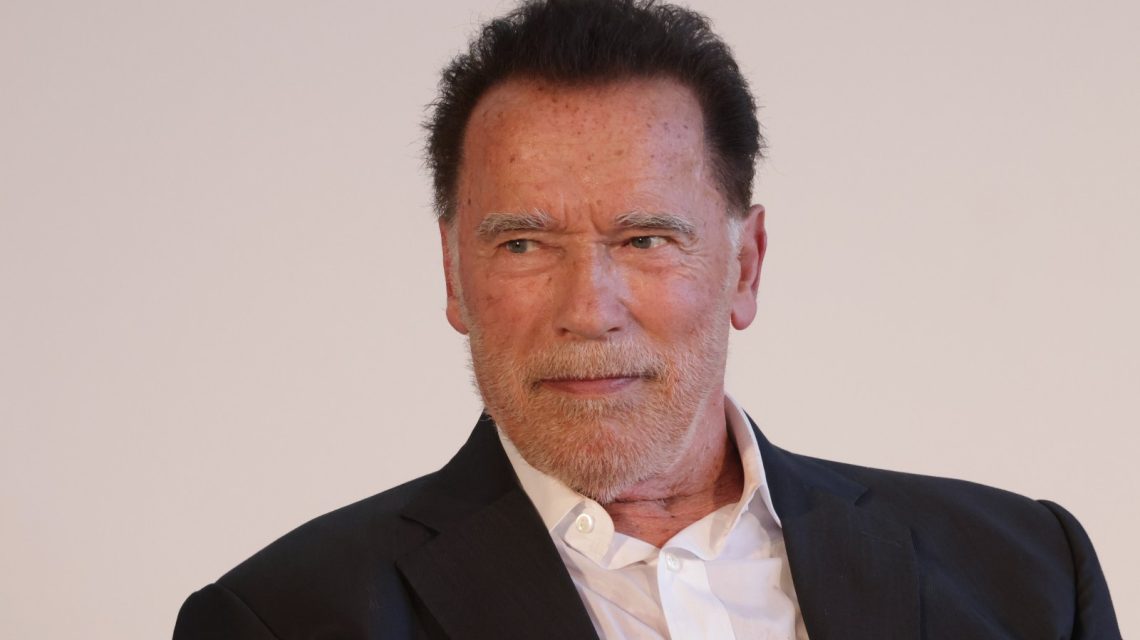
In my pursuit of bodybuilding success, strength was defined by pushing boundaries in weight, intensity, and perseverance. This approach led me to secure 13 world titles. However, as time progressed, I expanded my philosophy to include the importance of recovery, adaptation, and persistence, particularly when challenges arise. Many people feel paralyzed in life because pain dictates their actions and convinces them to give up before discovering their potential.
Approaching the age of 70, curiosity about my continued commitment to exercise emerged. Now, nearing 79, questions about my gym visits persist: “Why do you still train?” or “Shouldn’t you take a break?” Contrary to popular belief, fitness has no endpoint. Some workouts are less stellar; but, on those days, merely showing up constitutes success.
A common narrative exists: pain is inevitable, stiffness is typical, and with age comes a slower pace of life. Throughout my life, I’ve heard this story repeatedly. Despite shoulder surgeries, heart surgeries, and hip replacement, accepting a diminished existence due to aging is not an option. Experiencing heart surgeries marked a turning point, as doctors advised against heavy lifting, challenging my boundaries. Returning to the gym required relearning basics, initially with lighter weights, demanding focused, patient movements. It highlighted how limitations easily dominate if not actively resisted.
Mornings sometimes start with reluctance as joints feel heavy. Yet, I resist waiting for inspiration and proceed regardless. Gradually, through a bike ride or initial sets, motivation returns. Observing this pattern among others, avoiding stairs due to knee pain or bypassing walks because of stiffness leads to a shrinking world, where limitations begin to define them.
My experiences resonate personally. Coaching individuals of various ages through the Pump Club app, engaging with my grandchildren, reinforces the shift from exercise for aesthetics to maintaining functionality. Issues like pain dictating whether one can rise from chairs or climb stairs threaten independence. Scientific evidence supports that regular physical activity mitigates pain, improves function, enhances strength, balance, and sustains life quality.
Decades of training transformed my methods from youthful vigor to adapting with lighter weights, increased repetitions, and minimizing rest to maintain intensity. Biking replaced beach runs; skiing advised halting after half a day. Prioritizing control, consistency, and future mobility over stubborn discipline remains steadfast. Quoting my hero Teddy Roosevelt, “If you rest, you rust.” This maxim, despite eliciting laughter, holds accuracy as I age.
The notion of irreversibility in aging is to be challenged. I’ve witnessed transformations in Pump Club members during their 60s and 70s, evolving from difficulty squatting bodyweight to participating in powerlifting. Studies reveal strength gains possible even in our 80s and 90s.
Honest discussions about aging and longevity are crucial. Movement isn’t reserved for youth or those free from pain; it’s essential for life maintenance, safeguarding independence, resilience, and continued engagement in cherished activities. This exemplifies a genuine comeback.
Arnold Schwarzenegger, a former professional bodybuilder, actor, former California governor, champions fitness and public health, serving as Chief Movement Officer at Zimmer Biomet.
 Wedding Photographer’s Unexpected Amazon Purchase
  Unsupervised Play: The Benefits Over Commercialized Youth Sports
  Friendly’s: From Ice-Cream Shop to Iconic Chain Facing Modern Challenges
  Florida Man Claims ‘Lion Diet’ Transformed Health and Life
  Navigating Parenting Challenges with Teenagers
  Concerns Over Food Safety and Its Impact on Families