
The U.S. Interior Department has canceled a rule intended to protect plants and animals threatened with extinction. This move is part of President Donald Trump’s administration’s efforts to alter key provisions of the Endangered Species Act, influenced by industry demands.
Previously, species identified as threatened received automatic protections. Now, each will require an individualized protection plan once listed, a potentially lengthy process. Companies may seek exemptions for development activities like oil and gas drilling in areas where these species reside.
Opponents argue this decision complicates efforts to save wildlife in danger, such as monarch butterflies and alligator snapping turtles. Interior Secretary Doug Burgum stated the act was used to halt new projects, increase costs, weaken competitiveness, and undermine national security.
“Success should be measured by species recovery and delisting, not by adding more species to the list,” Burgum said.
The finalized changes also require officials to consider economic impacts when deciding on critical habitats, which critics believe favors corporate interests, allowing development in essential areas.
The environmental group Center for Biological Diversity’s Noah Greenwald voiced concern that exempting industries causing habitat destruction essentially exempts the main threat to many species.
Similar changes were made during Trump’s first term but were reversed under former President Joe Biden. The blanket protection rules for wildlife were first adopted in 1975 and for plants in 1977.
Two groups, the Rocky Mountain Elk Foundation and the Property and Environment Research Center, sued the Biden administration in 2024 over restored blanket protections. They claimed these imposed unfair restrictions on land when species shifted from endangered to threatened status. Jonathan Wood, vice president at the Montana-based research center, suggested the Trump administration’s approach better incentivizes species recovery.
No species were added to the endangered or threatened lists during Trump’s second term. Comparatively, more than 20 species were added in his first term, and around 60 under Biden’s presidency. Currently, about 30 species are proposed to be listed as threatened, including California spotted owls, various snakes, fish, clams, and insects.
Changes to government policies for endangered plants and wildlife have accelerated and expanded further in Trump’s second term than in his first. In March, the administration exempted oil and gas drilling in the Gulf of Mexico from the Endangered Species Act after lawsuits allegedly threatened domestic energy supplies during U.S. conflict with Iran. Recently, officials narrowed the definition of “harm” to a species, permitting development in critical habitats if the animals are not immediately harmed.
This week, officials decreased designated critical habitat for Canada lynx in the U.S. Rocky Mountains, and Secretary Burgum announced plans for the U.S. Fish and Wildlife Service to transfer more grizzly bear management authority to states. Republican governors of Wyoming, Idaho, and Montana have prioritized this for some time.
The Endangered Species Act has successfully brought back iconic animals, like the bald eagle and American alligator, from extinction. Burgum highlighted that 97% of protected species remain under protection, which frustrates Republican lawmakers advocating for quicker delisting of recovered species.
 Data Centers Stir Controversy in Texas Amid Growth Boom
 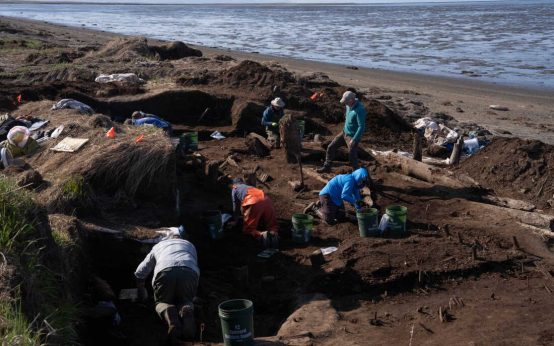 Urgent Archaeological Efforts in Quinhagak Stay Ahead of Erosion
  Concerns Rise Over NIPSCO Permit In Jasper County
  Reader Reactions on Grizzlies and Data Centers
 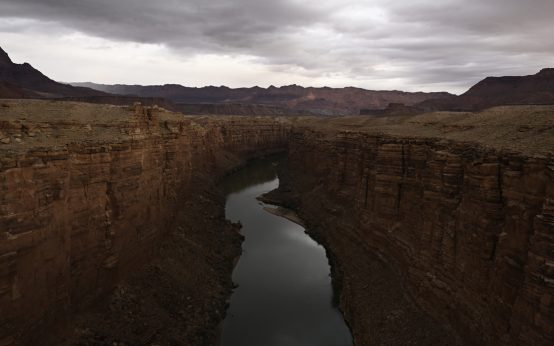 Managing the Crisis of Drying Rivers
 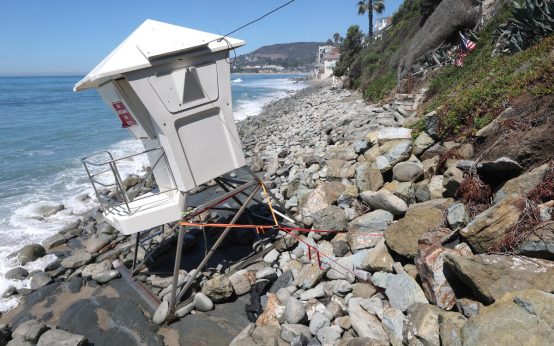 Impact of Kelvin Waves on Southern California