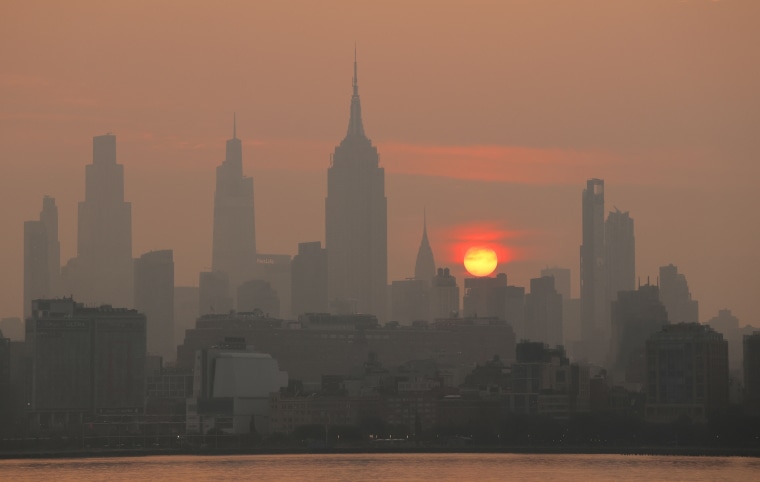
On July 17, 2026, President Donald Trump addressed concerns about the unhealthy air quality affecting parts of the United States, attributing it to smoke from Canadian wildfires. Trump announced intentions to hold Canada financially responsible, citing ‘willful negligence’ in managing forest and brush maintenance. He emphasized the costs related to air pollution, proposing these be included in tariffs Canada currently pays.
In a statement on Truth Social, Trump described the air pollution as ‘dangerous and totally unacceptable’ after smoke enveloped major U.S. cities. This smoke had significantly reduced air quality, affecting areas such as Minneapolis, Chicago, and New York City.
Responding to Trump’s accusations, Canadian Prime Minister Mark Carney highlighted climate policy differences between the U.S. and Canada. Carney stressed Canada’s focus on global clean energy initiatives, contrasting this with perceived opposition in the U.S.
Despite criticism, Trump has actively reduced U.S. involvement in international climate initiatives, leading to legal action from educational institutions. Air quality alerts continued on Friday, impacting over 100 million people due to smoke from fires.
The poor air quality has raised concerns about the World Cup final in New Jersey, an event Trump plans to attend. Trump praised the tournament and expressed future hosting ambitions, jokingly suggesting excluding Mexico and Canada.
Trump’s threat to increase tariffs on Canada follows the administration’s announcement to withdraw from the U.S.-Mexico-Canada Agreement, a significant trade pact over the past six years.
 The Impact of Arts and Closure on Democracy
 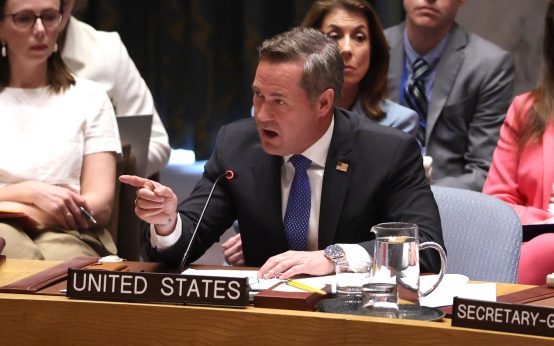 U.S. Ambassador Comments on Iran War Duration Amid Political Concerns
 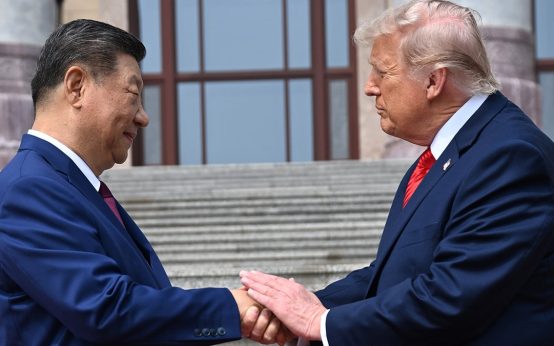 US-China Relations Under Scrutiny: Expert Warns of Escalating Tensions
  No Timeline for End of Iran Conflict
 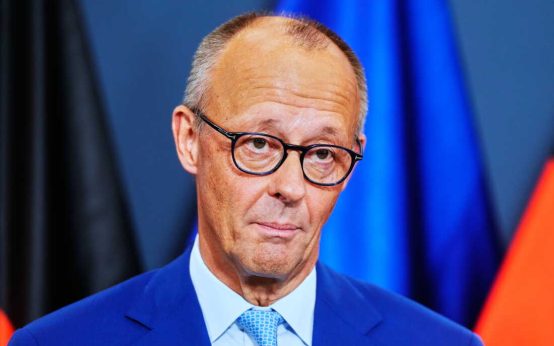 German Chancellor Merz Vows to Pursue Reforms Despite Election Setbacks
 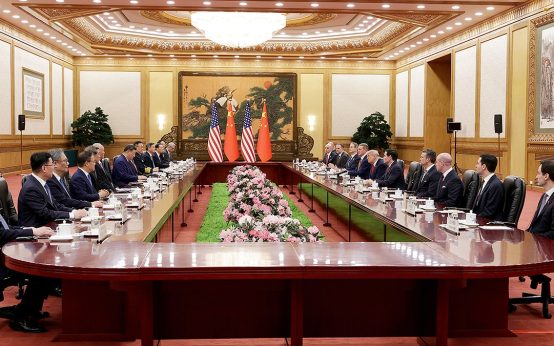 The Technology Rivalry: Trump’s Meeting with Xi and the AI Ecosystem Clash