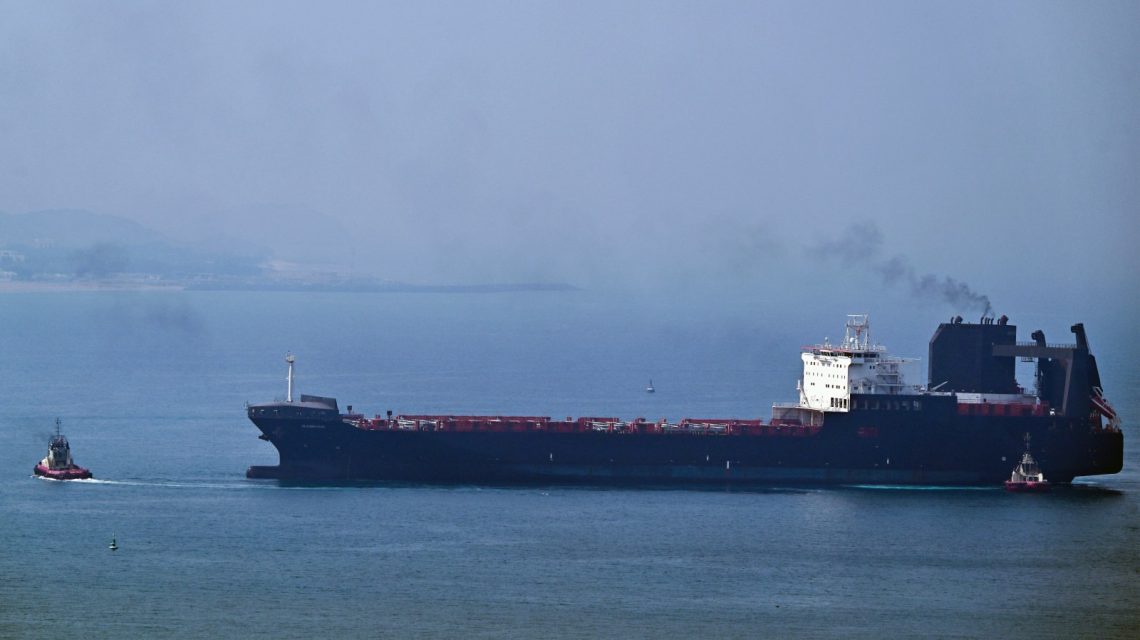
The U.S. military has undertaken new strikes aimed at reducing the capabilities of Iranian forces in the Strait of Hormuz. These actions have revived hostilities around the crucial waterway, prompting discussions on finding alternative routes for oil exports.
Impact on Oil Trade Routes
In previous times, the Strait served as a passageway for 20% of global hydrocarbons. Its closure, coupled with a U.S. blockade and a failed ceasefire, has led Gulf oil producers to explore new transportation options.
Tamsin Hunt, a senior analyst at S-RM, noted that major shipping operators are now using overland routes. Gulf states are planning long-term strategies, such as developing pipelines and ports.
Bypassing the Strait of Hormuz
The International Maritime Organization (IMO) declared the Strait too dangerous for commercial vessels, leading to evacuation efforts for seafarers trapped in the Persian Gulf. Gulf countries share these concerns and are actively seeking alternatives.
According to reports, the United Arab Emirates plans to build a port and container terminal on its east coast. This project aims to decrease reliance on the Jebel Ali hub. Other measures include using tankers to transport crude out of the Hormuz area to larger ships for Asian markets.
Saudi Arabia, meanwhile, is rerouting about four million barrels daily through a 750-mile east-west pipeline to Yanbu on the Red Sea. This comes with its risks, given regional tensions in the Bab el-Mandeb Strait.
Challenges and Long-Term Solutions
The Strait of Hormuz remains vital, as existing pipelines cannot fully replace its crude and liquefied natural gas capacity. Countries like Kuwait, Iraq, and Qatar are still heavily reliant on this route.
Hunt highlighted that the shipping industry often adapts to conflict by finding new routes. However, changes in shipping schedules are neither simple nor quick to adjust.
“Operators between Asia and Europe see the journey around the Cape of Good Hope as a viable alternative, though it requires careful planning and more fuel,” she explained.
Long-Term Strategic Developments
Experts believe that creating alternative routes will take considerable time and investment. Iraq’s strategy involves securing U.S. backing to diversify its oil export routes beyond the Strait.
Yörük Işık, a maritime expert, anticipates significant investments from Saudi Arabia into Red Sea ports, along with enhancements to its transport networks. The UAE is also expected to invest heavily in Fujairah to establish it as a key port, shifting entry points from the Persian Gulf to the Sea of Oman.
 The Cost of Challenging Beijing
 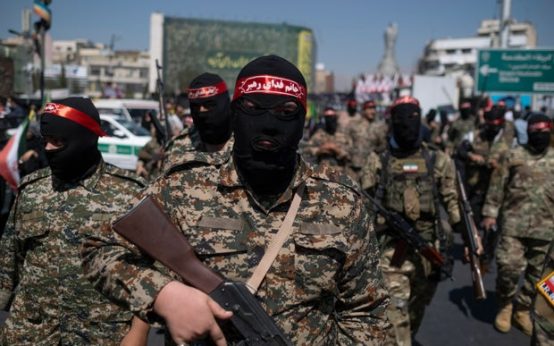 Tensions Escalate in Iran Conflict as Global Leaders Weigh Options
 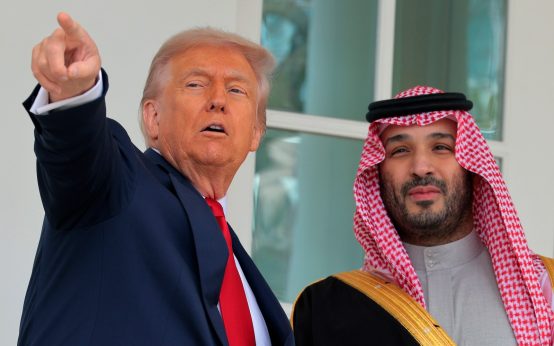 White House Approves F-35 Sales to Saudi Arabia Amidst Regional Tensions
  Inside the Secret Deals Powering the President’s Push to Deport Migrants to Countries Not Their Own
  Navigating the Challenges of Third-Country Deportations
  Midair Altercation on Bangladesh to London Flight