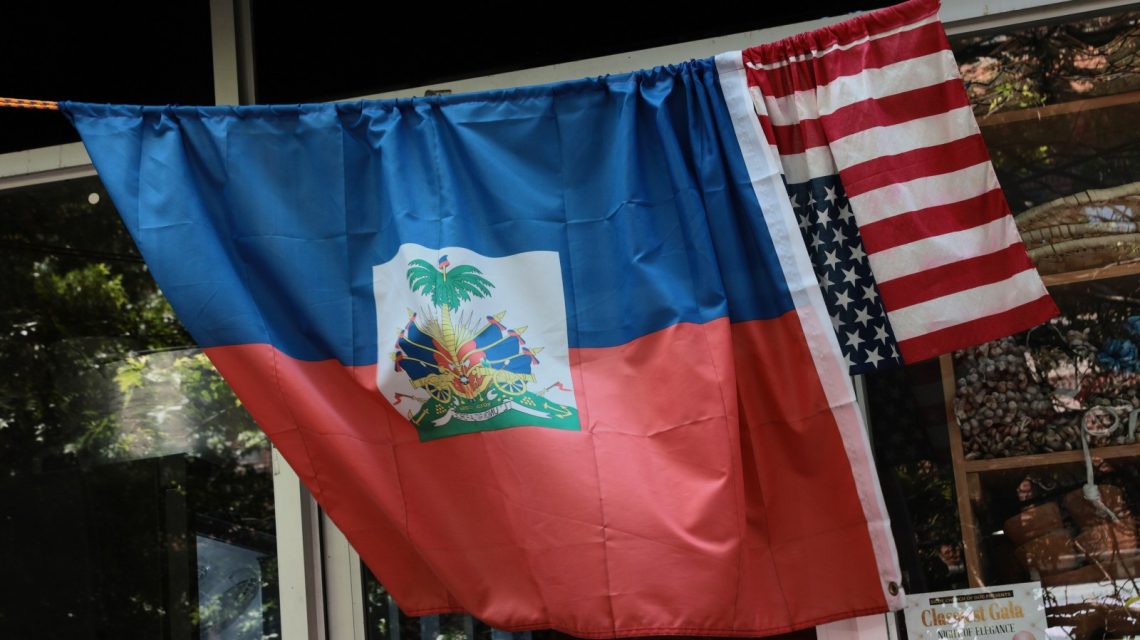
Thousands of immigrants anticipating the expiration of their Temporary Protected Status (TPS) may soon return to countries still grappling with unrest and environmental distress. This follows claims from the Trump administration. A U.S. Supreme Court decision directly affects TPS holders from Haiti and Syria. However, immigration advocates and legal experts suggest wider implications that could influence TPS’s future for individuals from countries like Venezuela, Afghanistan, Honduras, and Myanmar.
The administration has acted to end protections for several nations, asserting TPS was always meant to be temporary. They argue conditions have improved enough to permit returns. Critics, on the other hand, insist many affected countries still face severe humanitarian, economic, and security challenges.
“The Supreme Court has cleared the way for the largest de-documentation campaign in American history,” said Hussein E. Elbakri, a senior staff attorney at the International Refugee Assistance Project (IRAP).
This ruling allows the administration to remove legal status from over a million people who have lived, worked, and established families in the U.S. for years. According to Elbakri, federal courts now lack power to verify whether the administration followed the law as written by Congress. Those losing status are neighbors and co-workers, including healthcare professionals who support American families.
Supreme Court Decision
The Supreme Court, in a 6-3 decision issued on June 25, allowed the termination of TPS protections for approximately 350,000 Haitians and several thousand Syrians. Justice Samuel Alito, writing for the majority, stated that federal law significantly restricts courts’ ability to review TPS designation decisions by the Department of Homeland Security (DHS). Justice Elena Kagan, representing the court’s liberal wing, cautioned that removing protections before the resolution of legal challenges could expose immigrants to life-threatening risks.
The decision’s impact extends beyond Haiti and Syria. The administration has already revoked TPS for several countries, a move that could affect over 1 million individuals currently relying on the program.
“When TPS ends, the legal protections that accompanied it generally end as well,” stated Adam Klein, a former senior DHS official.
This means individuals lose removal protection and may become removable without another lawful immigration status. Employment authorization tied to TPS also expires, affecting individuals’ ability to work and support their families.
Impact on Returnees: Syria’s Challenges
A report from the International Rescue Committee (IRC) highlights difficulties faced by many Syrian returnees, despite changing political conditions. The report reveals that over 3.5 million Syrians returned home since the fall of the Assad-led government in December 2024. Nearly nine in ten returnees found essential services absent, with 71 percent living in damaged housing. Almost half stated conditions were worse than anticipated.
The IRC report indicated that many Syrians returned due to worsening conditions in their refuge countries rather than improved conditions in Syria. Shortages in essential services like electricity and healthcare remain widespread.
“Returns to Syria are accelerating faster than the country’s capacity to rebuild,” said IRC Vice President of Policy & Advocacy Kelly Razzouk.
Haiti’s Persistent Security Challenges
Haiti faces significant challenges with the security crisis remaining acute. The Supreme Court ruling impacts around 350,000 Haitians with TPS, many of whom have resided in the U.S. for years. Advocacy groups argue that gang violence, political unrest, and humanitarian hardship continue to affect the nation.
DHS has emphasized that TPS was always meant to be temporary and countries like Haiti have shown sufficient improvement to terminate the status. Yet, security threats remain, with the U.S. State Department’s Level 4: Do Not Travel warning still in place for Haiti.
Venezuela and Economic Realities of Return
Venezuela presents another complex case. It is one of the largest TPS populations in the U.S. Many Venezuelan TPS holders expressed concerns over the administration’s decision to revoke protections previously extended through 2026. Notably, Venezuela continues to face immense economic and political instability, compounded by environmental disasters in recent years.
“We ensured people already in the U.S. understood immigration flexibilities,” Klein noted about his time overseeing TPS.
Decisions for terminating work permits are on the horizon, potentially affecting numerous TPS holders.
Concerns for Afghanistan and Myanmar
For Afghan nationals and those from Myanmar, security and human rights remain primary concerns. Legal challenges argue that beneficiaries could face significant dangers if forced to return to their home countries.
TPS designations vary by country, stemming from diverse issues such as natural disasters, armed conflicts, or humanitarian crises.
The Future of TPS
The Supreme Court ruling potentially holds broader significance, potentially reshaping the TPS program itself. Analysts suggest the decision underscores the broad authority of the Homeland Security secretary in determining the start and end of protections.
“TPS holders will face impossible choices once their status lapses,” said Nayna Gupta from the American Immigration Council.
Gupta emphasizes the need for Congress to create real legal pathways for residents who have lived and worked in the U.S. for years.
As Washington debates immigration policy, the challenges faced by TPS holders from Syria, Venezuela, Haiti, Afghanistan, and Myanmar may underscore the impending struggles awaiting them when protections end.
 The Cost of Challenging Beijing
  Analyzing Midterm Elections and Party Dynamics
 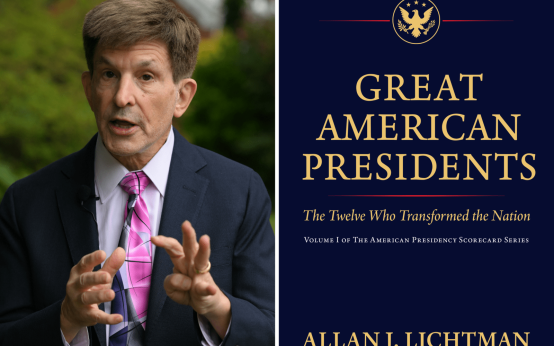 Allan Lichtman’s Framework for Assessing Presidential Greatness
  Florida Senate Race Tightens as Recent Polls Show Dead Heat
  Ethics Complaint Targets Colorado Representative Lauren Boebert
  Ken Paxton’s Campaign Funding and Polls