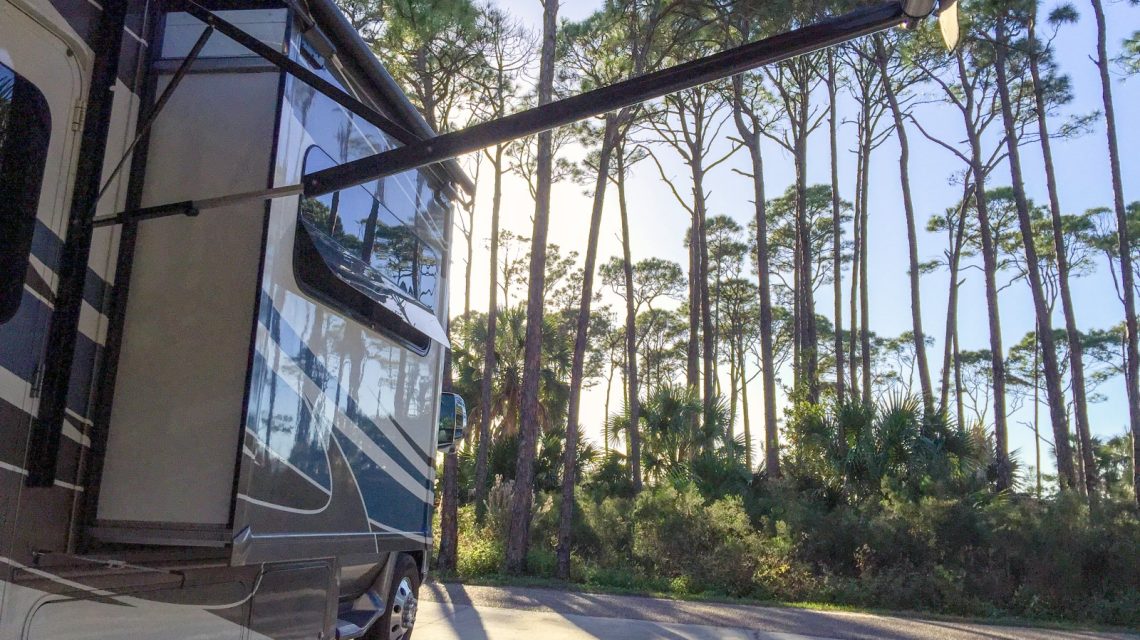
Escaping the Cold: A Seasonal Migration
Each year, many Americans look forward to leaving behind the cold winter months to enjoy warmer temperatures in the southern states. This seasonal movement is commonly known as ‘snowbirding’. It typically starts in October or November and lasts until March or April. Popular destinations include Florida, Arizona, Texas, South Carolina, and other regions in the Southeast and Southwest.
While retirees have traditionally made up the bulk of snowbirds, the rise of remote work has now enabled some working-age Americans to also spend part of their winter in these warmer locales.
El Niño: A Climate Concern
This year, those planning a southward escape should be prepared for possible extreme weather. A strengthening El Niño climate pattern might transform the southern United States into a ‘storm highway’. This could increase the risk of both extreme rainfall and severe thunderstorms. As explained by Washington Post meteorologist Ben Noll, next winter could see a heightened chance for extreme weather due to the influence of El Niño.
Understanding El Niño
El Niño refers to climate conditions originating in the tropical Pacific Ocean. The National Oceanic and Atmospheric Administration (NOAA) announced in June its development and an expected intensification through autumn, peaking during the winter season.
Meteorologists have predicted it could become one of the strongest recorded. A typical El Niño winter sees the Pacific jet stream shifting southward, leading to wetter-than-average conditions in southern U.S. regions while northern areas may experience warmer temperatures.
The Threat of Extreme Rainfall
A major concern for travelers is the risk of excessive rainfall. Under strong El Niño conditions, storms often track from California through southern Plains toward Gulf and Atlantic coasts. Travelers in Florida, Texas, Louisiana, Mississippi, Alabama, or the Carolinas may face prolonged rain events, flooding, flash flooding, and transportation issues.
Southern California is also prone to wetter-than-normal winters during El Niño years. While increased rain can benefit reservoir levels and alleviate drought, it can bring flooding and landslides, particularly in wildfire-affected areas.
Risk of Severe Storms
A potentially more dangerous threat involves severe weather. A stronger subtropical jet stream brings moisture and atmospheric conditions favorable for severe thunderstorms.
Historical data links El Niño winters to increased severe weather outbreaks along Gulf Coast and Southeast. These conditions may heighten risks of damaging winds, hail, and tornadoes in states like Texas, Louisiana, Mississippi, Alabama, Florida, and Georgia. For tourists, unfamiliarity with local weather hazards could present challenges.
Communities popular among snowbirds, such as Naples, Sarasota, Fort Myers, and Palm Beach in Florida, or Phoenix and Tucson in Arizona, may have to adjust to this seasonal uncertainty. Locations like Texas’ Gulf Coast and coastal South Carolina also see significant seasonal populations attracted by typically mild winters.
Forecaster’s Advice
While predictions hint at stormier conditions, not every storm will result in severe impacts. Local effects can’t be forecasted months ahead, but signals suggest a more favorable atmosphere for stormy weather across much of the southern U.S.
This fall, millions preparing to leave northern winters might face an unusual caveat: while escaping colder temperatures, there could be increased rainfall and stormier conditions than usual.
 EPA Dismantles Greenhouse Gas Rules, Causing Concern
 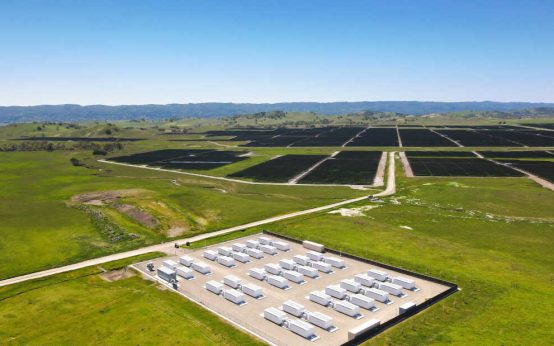 How Battery Innovations Transform Renewable Energy
  Data Centers Stir Controversy in Texas Amid Growth Boom
 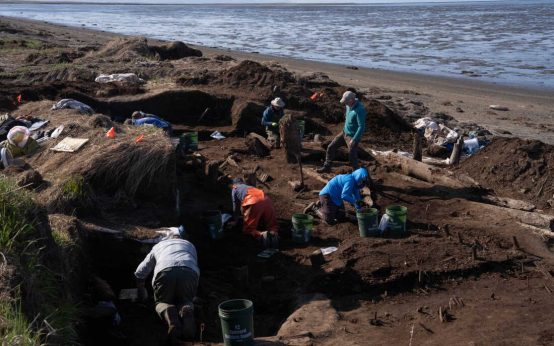 Urgent Archaeological Efforts in Quinhagak Stay Ahead of Erosion
  Concerns Rise Over NIPSCO Permit In Jasper County
  Reader Reactions on Grizzlies and Data Centers