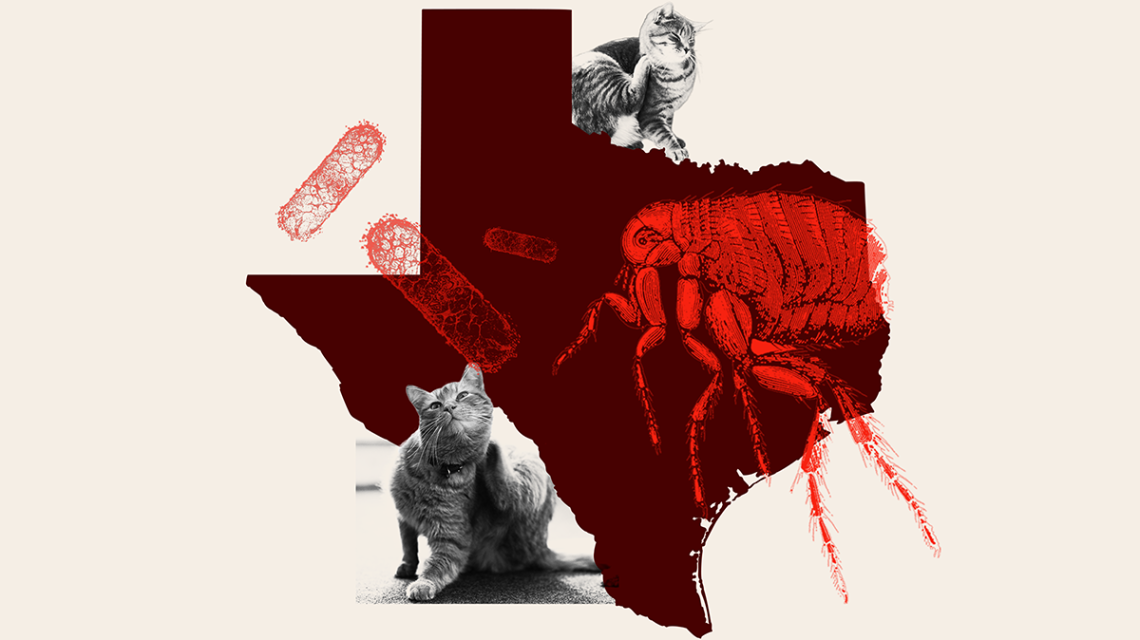
A flea-borne disease is re-emerging in Texas. Researchers warn that pets may bring it into homes. This disease, murine typhus, involves a bacterium spread by fleas. It was thought to be eradicated but has hospitalized many recently. Texas A&M College of Veterinary Medicine and Biomedical Sciences research links fleas on domestic cats to this bacteria.
A Disease Resurfacing
Murine typhus is from the bacterium Rickettsia typhi. Fleas infected with the bacteria spread it to people. Symptoms show up 6-14 days after exposure. These include fever, headache, chills, rash, backache, joint pain, and nausea. While often mild, untreated cases can lead to hospitalization or worse.
Two people died from murine typhus between 2019 and 2023. This data comes from the University of Texas Medical Branch and the Centers for Disease Control and Prevention (CDC). Reports also show the disease in California.
Importantly, the disease does not spread from person to person. Humans catch it indirectly. Bacteria from flea feces enter through a bite or contact with mucous membranes. These fleas typically feed on infected rodents, but cats can also be carriers.
New Research Findings
The Texas A&M study, published in Parasites & Vectors, found R. typhi DNA in cat fleas in the Rio Grande Valley. Out of 167 cats, fleas from six cats tested positive for the bacteria. This might seem small, but the region reported over 6,700 flea-borne typhus cases from 2008 to 2023.
The study demonstrates the value of a “One Health” approach, considering human and animal health as connected. Cats rarely get ill, but keeping fleas off them is crucial for human safety. Flea control through veterinary treatment is essential.
A spokesperson from the City of San Antonio Metropolitan Health District states: “Metro Health monitors flea-borne murine typhus. Our data shows it above pre-pandemic levels in 2023 and 2024.” Fleas are more active in warm weather. People should use repellants, treat pets for fleas, and avoid contact with rodents.
Impact on Human Health
In Galveston, a University of Texas study highlighted murine typhus’s serious nature. The study analyzed records from April 2019 to October 2023. It identified 149 adults with the disease, 119 hospitalized, and 33 needed intensive care. Two died due to severe complications.
Older age increases ICU risk. Underlying conditions include obesity, diabetes, and chronic kidney disease. Severe cases involve organ dysfunction, such as kidney injury or respiratory failure. Galveston numbers indicate a worrying trend. A 2023 study found past R. typhi infection evidence in 7.8% of residents, up from 1.2% in 2013.
“Murine typhus is regularly transmitted in South Texas,” said Dr. Sarah Hamer of Texas A&M. Increased cat populations, economic barriers to flea protection, and warming temperatures contribute to flea infestations.
Decades ago, vector control campaigns nearly eradicated murine typhus in the U.S. However, its return is evident in Texas neighborhoods and is linked to fleas on domestic and stray cats.
 Susie Wiles Discusses Her Recovery from Breast Cancer
  Tofu Tops Protein Source Rankings: A Comprehensive Analysis
  Southern California Faces Santa Ana Winds and Increased Fire Risk
  Ensuring Lasting Smiles Act: A Necessary Step for Healthcare Reform
  Americans’ Confidence in Federal Food Safety Drops to Record Low
  Flu Season Hits Early: Importance of Timely Vaccination