
The recent Supreme Court decision granting President Donald Trump the power to dismiss nearly every executive branch official might appear as a conservative triumph. However, this interpretation overlooks historical contexts revealing its potential appeal to liberals.
President Franklin D. Roosevelt, during the 1930s, would likely have welcomed this decision. His era was marked by significant Democratic influence, focused on expanding executive power. His government sought greater control to implement extensive reforms and tackle pressing issues.
Roosevelt’s leadership included pioneering the concept of broadcast communication with his ‘fireside chats’ on radio, connecting directly with the public. His administration valued authoritative governance to swiftly enact the New Deal, aimed at combating the Great Depression.
The decision in Trump v. Slaughter aligns with Roosevelt’s philosophy of a robust executive branch, a notion benefiting progressive ambitions. It underscores historical endorsement of expanded presidential authority, appealing to different ideological spectrums over time.
 The Cost of Challenging Beijing
  Analyzing Midterm Elections and Party Dynamics
 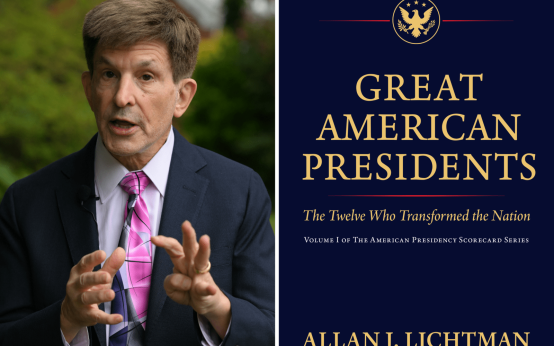 Allan Lichtman’s Framework for Assessing Presidential Greatness
 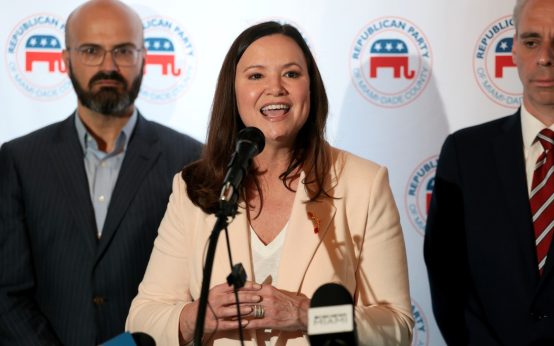 Florida Senate Race Tightens as Recent Polls Show Dead Heat
  Ethics Complaint Targets Colorado Representative Lauren Boebert
 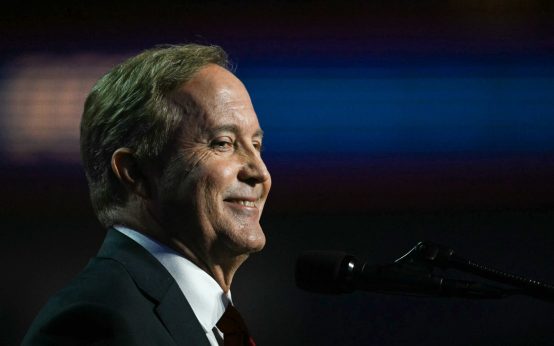 Ken Paxton’s Campaign Funding and Polls