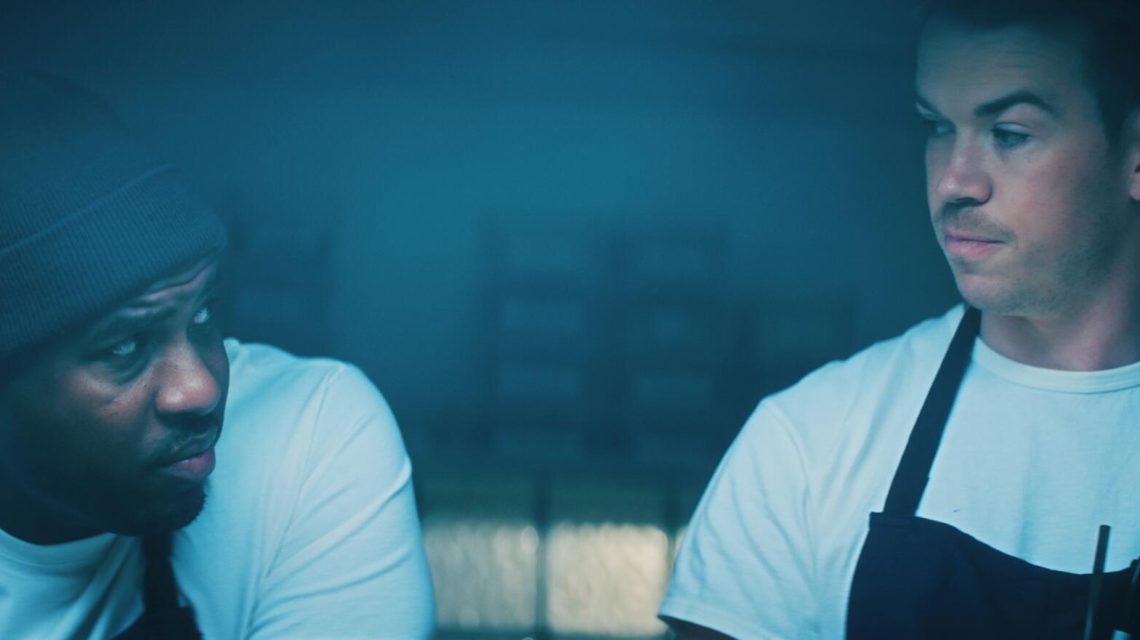
The finale of “The Bear,” created by Christopher Storer, concludes the tale of transformation from a modest Chicago sandwich shop to a fine-dining establishment. This award-winning series, known for sparking debate and capturing critical acclaim, wrapped up with a final installment comprising eight episodes, predominantly set over a single hectic day.
The storyline unfolds amidst a torrential rainstorm that wreaks havoc as it sweeps through the city. As water pipes burst and tensions rise, both staff and resources are stretched thin. Chefs Carmy, played by Jeremy Allen White, and Sydney, portrayed by Ayo Edebiri, navigate the pressures of their evolving partnership amid practical and emotional turmoil, demanding quick thinking from everyone involved.
In a remarkable turnaround, “The Bear” earns not one, but two Michelin stars. Uncle Jimmy, played by Oliver Platt, finds reprieve from financial woes thanks to Ebraheim’s vision to franchise the original restaurant. Sydney rises to acknowledge her role as head chef and appoints Tina, brought to life by Liza Colón-Zayas, as her chef de cuisine. Marcus, enacted by Lionel Boyce, achieves self-acceptance, while Richie, Ebon Moss-Bachrach’s character, is invited to an international conference in Japan, sparking new beginnings.
For Carmy, the journey diverges towards architecture, offering a new canvas for creativity. L.A. Times reviewers Robert Lloyd and Mary McNamara reflect on “The Bear’s” impact, the concluding season, and its legacy.
The end shapes the rest, often in unpredictable ways,Lloyd notes. He points out that the series seemed ultimately a narrative on love, as characters learn not only to care for others but also for themselves.
“The Bear” delves deep into how food serves as an expression of affection. A pivotal scene featuring Marcus and chef Luca (Will Poulter), even depicts a shared McDonald’s meal as a treasured gift. The show unabashedly embraces sentimentality, highlighted through repeated musical cues that underscore the emotional beats.
Mary McNamara recalls moments that struck a chord, including a nod to the late Rob Reiner, whose character Albert Schur mentors the business in Season 4, culminating in a heartfelt exchange that closes the franchising deal. This culmination of happiness was anticipated but treasured nonetheless, as it offered viewers a release from the season’s slower start, leading to a gratifying conclusion.
Lloyd finds the show’s pace reflective of a realistic restaurant workday. The series skillfully blended theatrical elements with realism, using varied pacing and dramatic visuals. He comments on Carmy’s leadership, noting how, despite initially being unsupported, the team evolved under his encouragement.
As “The Bear” progresses, Carmy’s journey hints at possibilities beyond cooking, touching upon teaching and mentoring as viable paths. His reflections on his life’s trajectory evoke recovery themes, tying into threads of growth and healing woven throughout the series.
McNamara recognizes the layered narrative of recovery, confronting personal and collective challenges. Donna’s, played by Jamie Lee Curtis, storyline underscores familial recovery from dysfunction, enriching the narrative complexity.
The finale’s poignant moments, like Carmy’s message to his late brother, amplify the emotional resonance, leaving a lasting impression of love and connection. Mary McNamara humorously acknowledges becoming sentimental, considering the story’s trajectory akin to a love story, intertwined with elements of redemption and reconciliation.
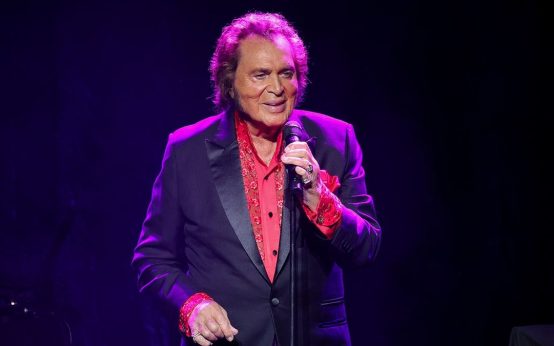 Engelbert Humperdinck Reflects on Life-Saving Shoelace During Army Service
  Chad Gilbert of New Found Glory Dies at 45
  Gorillaz and Macklemore Respond to Controversy Over Israel-Palestine Statements
 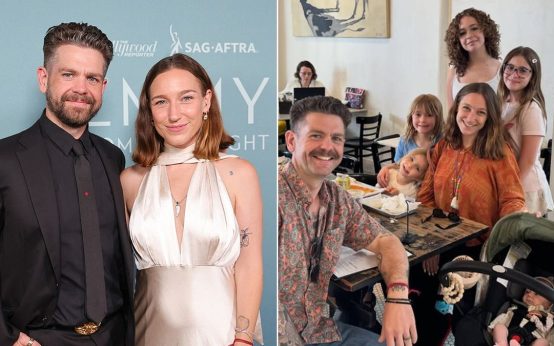 Jack Osbourne Discusses Parenting Without a Nanny and Family Dynamics
 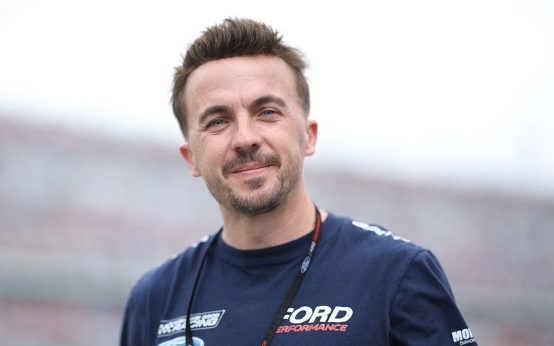 Frankie Muniz Reflects on Personal Challenges Amid Divorce
  Dakota Johnson Reflects on Career and Future Plans