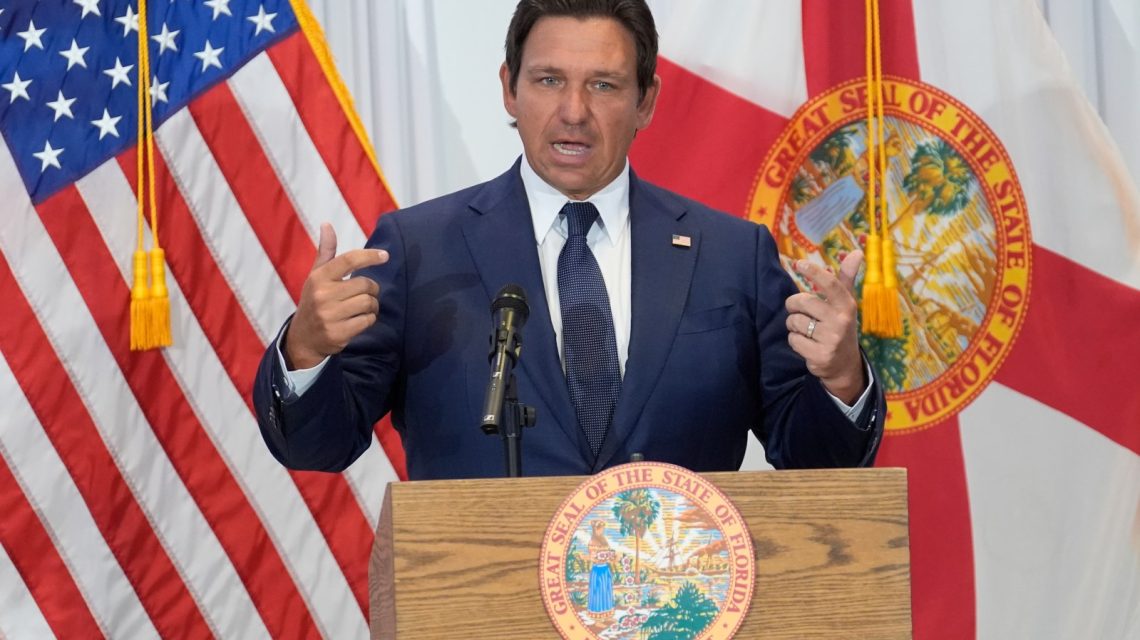
Florida Governor Ron DeSantis has emerged as a prominent critic of the rapid expansion of artificial intelligence data centers. He argues that residential utility customers should not subsidize these energy-intensive facilities. In May, DeSantis signed legislation to ensure state regulators exclude infrastructure and operational costs of AI data centers from residential electricity bills. This move positions Florida as one of the first states to offer consumer protections against the burdens data centers impose on the commercial power grid.
“You should not, as a hard-working Floridian, have to subsidize some of the wealthiest companies in the history of humanity,” DeSantis stated at the bill-signing ceremony. However, while the governor publicly criticizes the facilities, his administration continues to support tax incentives to attract technology companies to Florida. This reflects a challenge for state leaders nationwide: securing a foothold in the future high-tech economy without shifting financial burdens to taxpayers.
Restrictions on Data Centers
Senate Bill 484 mandates large AI data centers to pay the full cost of their utility service. It prevents utility providers from passing development or electricity costs onto Florida’s residential and small-business customers. The legislation also confirms that local governments maintain control over zoning, permitting, and land use, allowing them to set stricter local standards or reject projects altogether.
The bill faced opposition during its legislative journey. Lawmakers weakened initial drafts by removing provisions that would have banned government officials from signing nondisclosure agreements with AI data center developers.
Efforts to Attract Data Centers
Florida’s initiatives to attract tech infrastructure began in July 2017 with the enactment of a tax exemption for data centers, preceding the current AI development wave. The policy eliminates sales and use taxes on data center infrastructure, equipment, property, and electricity consumption. Initially set to expire in 2022, the exemption has been extended until 2025.
Last year, the Legislature amended this incentive to focus on larger projects. Effective August 2025, facilities must have a minimum cumulative capital investment of $150 million and support a critical IT load of 100 megawatts or higher, increased from the previous 15-megawatt threshold. This change disqualifies smaller facilities. The revised exemption, with an application deadline of June 30, 2037, covers equipment, infrastructure, electricity, and construction materials used exclusively by data centers.
GOP state Representative Wyman Duggan, who sponsored the amendment, noted the governor’s backing of the tax break extension. “That came from the governor’s office,” he told the Tampa Bay Times. Last year’s budget proposal from DeSantis’ office intended to make the tax break permanent. State Department of Revenue data reveals that three companies, Iron Mountain, Metrobloks, and TensorWave, have benefited from the exemption, operating in the Miami area.
A spokesperson for Iron Mountain stated the tax break promotes local investment and isn’t a taxpayer-funded incentive. “Iron Mountain and our customers pay significant property tax to Miami-Dade County, which determines how this tax income directly benefits the local community through schools, roads, and other county infrastructure,” the company communicated via email.
Future Policies
With DeSantis term-limited and exiting office in January 2027, Florida’s tech-energy policy future rests with his successor. Representative Byron Donalds, a leading candidate for the Republican nomination for governor, co-sponsored the 2017 data center tax exemption as a state lawmaker.
A spokesperson for Donalds defended the earlier vote and assured commitment to consumer protections. “This 2017 bill was a broad tax relief bill, and as Governor, Byron will continue working to cut taxes for Floridians at every opportunity,” the statement said. “He will prioritize Floridians first by requiring tech companies to supply their own power demand for any potential AI data center, ensuring robust taxpayer rate protections, and safeguarding Florida’s water resources.”
Public sentiment regarding the facilities is skeptical. A recent Gallup survey indicated 70 percent of Americans oppose AI data centers in local communities, with 48 percent strongly opposed. In Florida, public support aligns with regulatory restrictions, with nearly 90 percent of voters favoring DeSantis’ utility-protection law, according to Sachs Media polling.
Local governments are reacting to this tension, with more than a dozen Florida cities and counties enacting temporary pauses on large data center approvals. Concerns over local water supplies, grid capacity, and environmental impacts are cited.
 The Impact of Arts and Closure on Democracy
  U.S. Ambassador Comments on Iran War Duration Amid Political Concerns
  US-China Relations Under Scrutiny: Expert Warns of Escalating Tensions
  No Timeline for End of Iran Conflict
  German Chancellor Merz Vows to Pursue Reforms Despite Election Setbacks
  The Technology Rivalry: Trump’s Meeting with Xi and the AI Ecosystem Clash