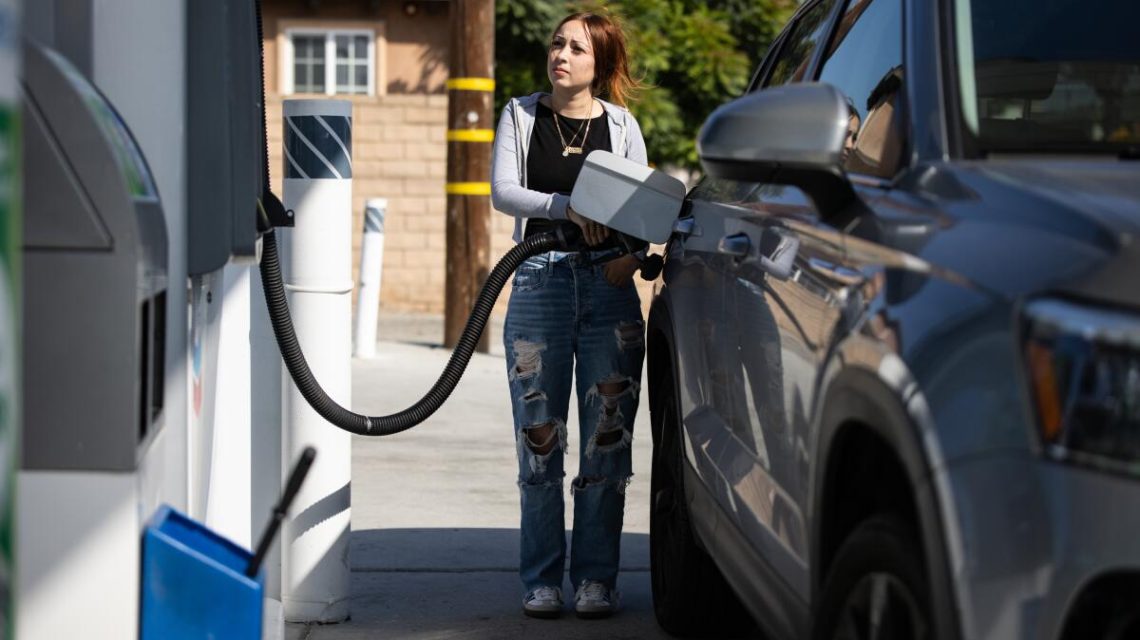
President Trump recently assured Americans of a forthcoming economic resurgence, partly due to a newly brokered deal ending tensions with Iran. He boldly promised gas prices would soon dip to $2.50 per gallon, predicting an unprecedented economic boom in the coming year.
However, economists express doubt. Many factors, including the recent conflict and ongoing inflation, will likely continue affecting the economy for months. Yesenia De La Torre’s experience at a gas station in Culver City highlights the enduring issue of high gasoline prices, even after the agreement to end the Iran conflict.
Patrick Harker, a Wharton School professor and former Federal Reserve Bank of Philadelphia president, noted the slow recovery due to lasting infrastructure damage. He suggests that while oil prices have declined, a full recovery will take time.
“Markets remain cautious. Rebuilding in the Middle East will take time, keeping inflation high,” Harker stated.
Michael Negron from the Center for American Progress agreed, anticipating a gradual decrease in gas prices rather than an immediate drop.
The slow improvement could present political challenges for Republicans, with affordability becoming a key issue ahead of the midterm elections. Gina Plata-Nino from the Food Research and Action Center stressed that positive economic messages from officials do not resonate with people facing increased costs for essentials.
Roger Pielke from the American Enterprise Institute estimated the Iran war cost households between $775 and $1,300. The conflict’s effects on oil prices also impact other sectors, such as agriculture, as consumer prices rose significantly.
Despite Trump’s optimistic stance, public dissatisfaction persists, reflected in his approval ratings and a lack of enthusiasm about the war’s costs among Americans. Economic concerns remain a priority, with many voters feeling left behind by rising prices.
Brian Reisinger, a rural policy analyst, emphasized the need for credible economic promises to win voter support. The shaky status of the U.S.-Iran negotiations adds uncertainty, with differing messages from both countries.
“Everything will be negotiated in the next two months,” Negron explained, highlighting the inherent risks linked to the situation’s volatility.
 The Impact of Arts and Closure on Democracy
 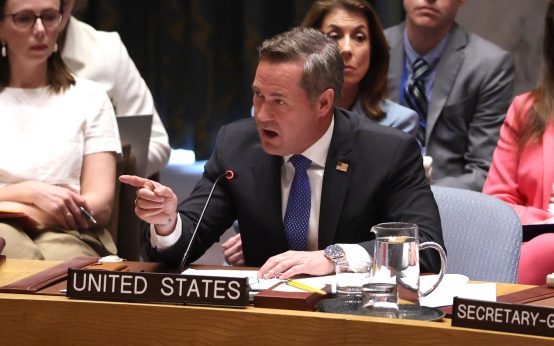 U.S. Ambassador Comments on Iran War Duration Amid Political Concerns
 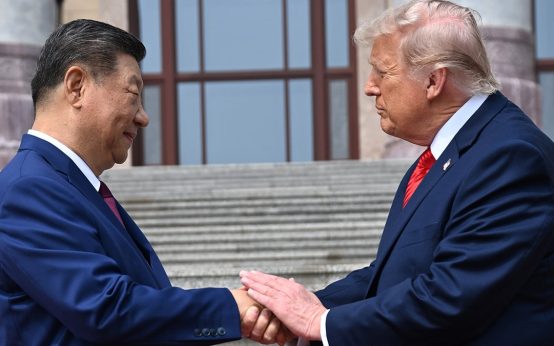 US-China Relations Under Scrutiny: Expert Warns of Escalating Tensions
  No Timeline for End of Iran Conflict
 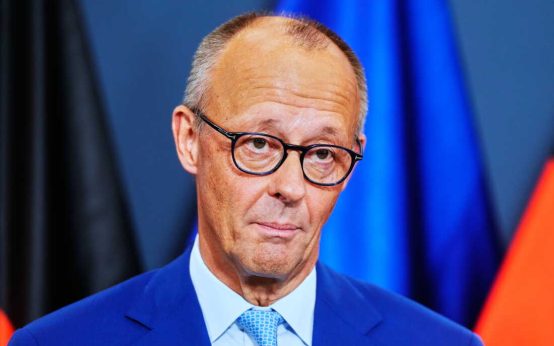 German Chancellor Merz Vows to Pursue Reforms Despite Election Setbacks
 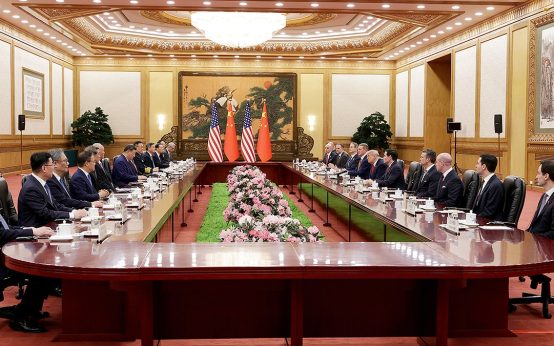 The Technology Rivalry: Trump’s Meeting with Xi and the AI Ecosystem Clash