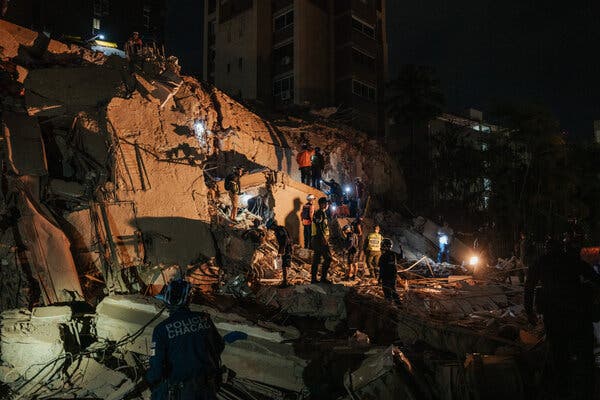
The U.S. Geological Survey has reported a powerful 7.5-magnitude earthquake hit Venezuela on Wednesday. This event marks the largest earthquake in or near the country since 1900. According to historical records, the previous significant quake was a 7.7-magnitude tremor on October 29, 1900.
Paule Earle, a geophysicist at the U.S.G.S., explained that the 1900 magnitude was estimated from damage reports, as modern instruments were absent then. The San Narciso Earthquake of 1900 devastated Caracas, resulting in 21 deaths and 50 injuries. Churches, public buildings, and homes suffered significant damage. The New York Times reported on November 17, 1900, that around 300 buildings collapsed, including the university tower and several church spires. Many citizens were left homeless and had to live in tents.
The recent 7.5-magnitude earthquake was reached by a preceding 7.2-magnitude quake, described as a foreshock. William Barnhart, another U.S.G.S. geophysicist, noted that earthquakes can trigger subsequent seismic activity by altering stress in the ground. He suggested this was likely the cause of the recent events in Venezuela.
Venezuela’s location between the South American and Caribbean tectonic plates makes it prone to earthquakes. The country has experienced other significant quakes, including a magnitude 7.3 on August 21, 2018, and a magnitude 7.0 on July 9, 1997. These patterns highlight the persistent seismic risk in the region.
 At Least 12 Reported Dead and 309 Injured in Attack on Saudi Airport
 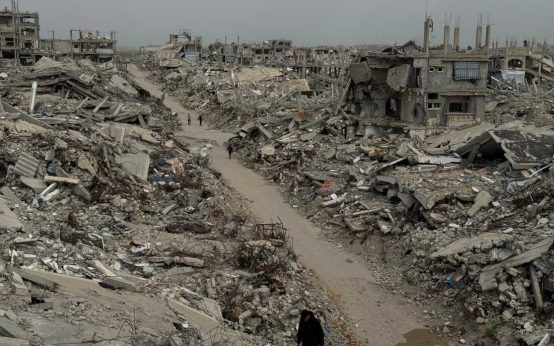 Recovery Efforts Amid Devastation in Beit Lahia
  Storm Updates and Impact Reports in the Southeast
  Pope Leo XIV Labels Death Penalty an Assault on Human Dignity
  Advancements in Israeli Military Medicine Aid U.S. Efforts
  Mass Arrests in New Delhi During Protest Against Voter List Revision