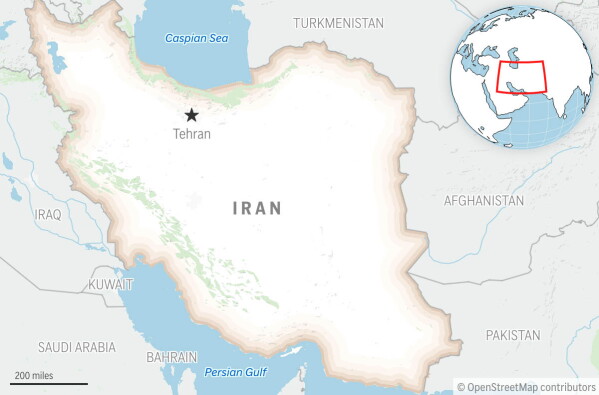
Rafael Mariano Grossi, head of the UN’s nuclear agency, announced on Wednesday that inspectors would soon visit Iran’s nuclear enrichment sites. This inspection is a crucial step in the interim deal between the U.S. and Iran, aimed at ending hostilities. However, an Iranian official asserted that such visits would only occur after finalizing the agreement.
Conflicting statements followed a week after the signing of this interim deal. Leaders from the U.S. and Iran have shown differing interpretations of the document’s significance. Grossi acknowledged ongoing heated exchanges regarding Iran’s nuclear program, which extend to issues like Israel’s conflict with Hezbollah in Lebanon and Iran’s plans for unfrozen funds. Following the memorandum of understanding, both nations entered a 60-day negotiation period to address these subjects, with discussions predominantly happening behind closed doors.
Grossi stressed the importance of inspections to determine the status of Iran’s nuclear material. Since Israel initiated a 12-day conflict with Iran in 2025, the International Atomic Energy Agency (IAEA) has been obstructed from accessing Iranian enrichment sites. Iran reportedly holds enough uranium to potentially produce 10 nuclear weapons, though it claims its program remains peaceful. Iran stands out as the only nation enriching uranium to 60% purity without a declared weapons program.
At a news conference held at the Fukushima Daiichi nuclear power plant, Grossi underscored the necessity of inspections. Despite political narratives, Grossi emphasized that the memorandum dictates IAEA supervision over nuclear activities. He assured that inspections will proceed, regardless of the exact timing.
Iranian Deputy Foreign Minister Kazem Gharibabadi responded to Grossi, declaring that discussions about inspections would occur only within a finalized agreement, and contingent upon lifting sanctions. Iran’s actions in blocking IAEA access to vital sites remain contentious. While permitted to visit other locations, like the Bushehr nuclear power plant, the IAEA cannot verify Iran’s overall nuclear status or monitor the centrifuges enriching uranium.
The deal includes plans for Iran to dilute its enriched uranium stockpile and lift U.S. sanctions on Iranian oil. However, tensions arose as Iran reported closing regional waterways amidst renewed Israeli-Hezbollah conflict. Israel conducted its first airstrike in Lebanon since the ceasefire, claiming lives and complicating stability.
Simultaneously, U.S. Secretary of State Marco Rubio commenced a Middle Eastern tour, engaging with Emirati leadership and participating in diplomatic functions. His visit aims to reinforce communication among regional allies. The reopening of a U.S. Embassy in Kuwait marks a step towards renewing diplomatic efforts after recent hostilities.
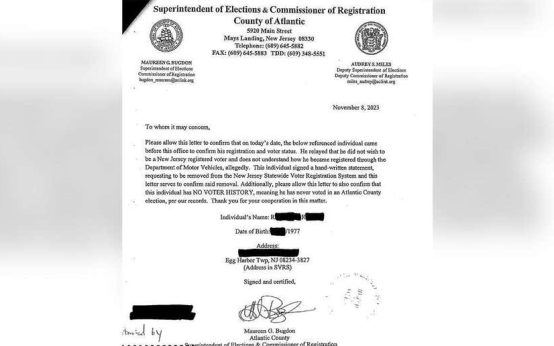 RNC Sues New Jersey Over Voter Roll Transparency
  Karoline Leavitt on Trump’s Tense Calls with Putin and Xi
 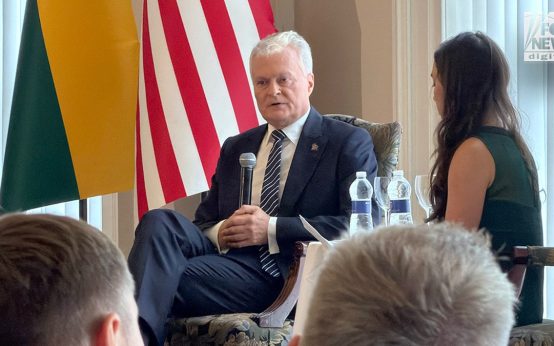 Lithuanian President Urges U.S. to Maintain Military Presence Amid NATO Challenges
 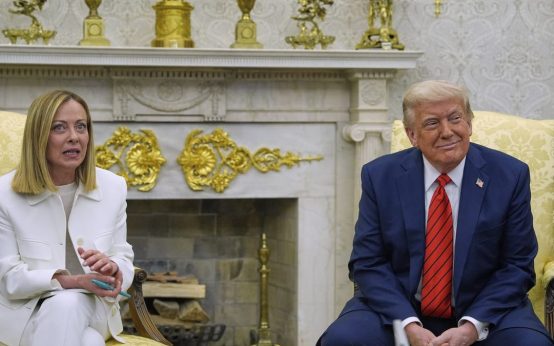 Italian PM Giorgia Meloni Skips UN General Assembly Amid U.S. Tensions
 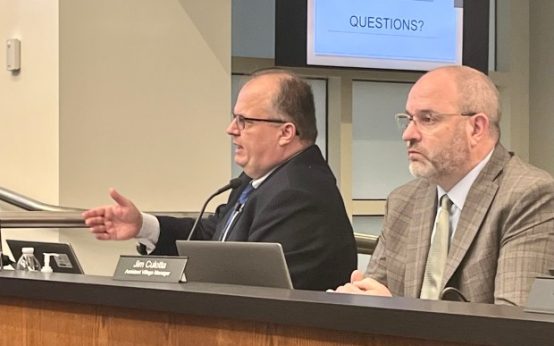 Orland Park Plans Traffic Enforcement Measures
 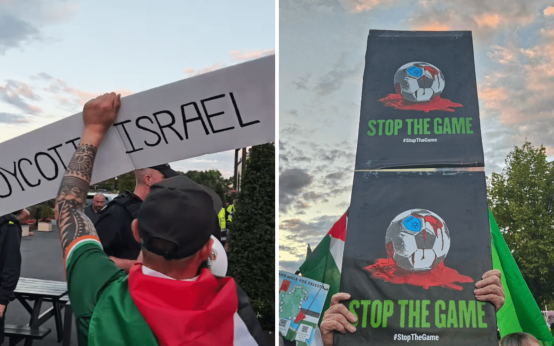 Ireland Faces Calls to Boycott Matches Against Israel