
The U.S. Supreme Court ruled in favor of the Trump administration in a case concerning the government’s authority over green card holders accused of crimes. This 6-3 decision involves a 2012 incident where immigration officers placed lawful permanent resident Muk Choi Lau on immigration parole after his return from China due to accusations of counterfeiting.
Lau contended that the officers exceeded their legal powers, allowing the Department of Homeland Security during President Obama’s tenure to start deportation proceedings swiftly after he admitted to selling counterfeit goods in New Jersey. The Supreme Court, however, dismissed this argument. Justice Clarence Thomas noted that border officers did not need to prove significantly that Lau committed a crime related to moral turpitude.
Justice Ketanji Brown Jackson dissented, arguing that this decision effectively left Lau in “immigration limbo” before any conviction. She expressed concern that the ruling could give the government undue power, a sentiment shared by the liberal group Alliance for Justice. Meanwhile, Advancing American Freedom, initiated by former Vice President Mike Pence, supported the decision, emphasizing the need to allow the deportation of individuals who misuse green card privileges.
This decision arises amid several immigration-related cases before the Supreme Court, connected to former President Trump’s immigration policies. These issues include attempts to eliminate birthright citizenship, reassess a stringent asylum policy, and conclude temporary protections for migrants escaping conflict and disasters.
 Fraud Investigation of Autism Center Raises Questions for Minnesota Senate Candidate
 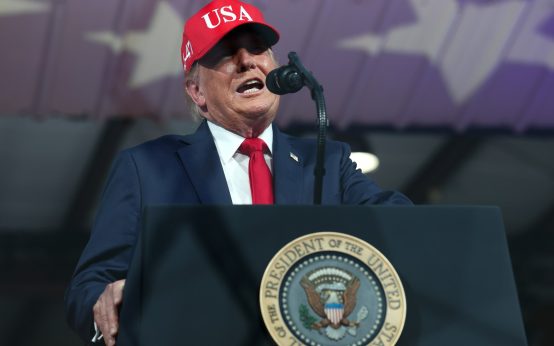 Gen Z Voters and Their Impact on the 2026 Midterm Elections
 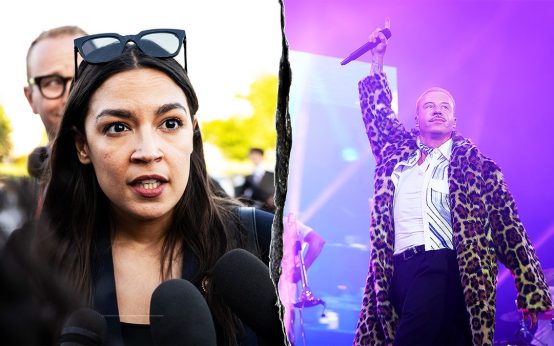 Rep. Alexandria Ocasio-Cortez Defends Macklemore Amid Tour Controversy
  Influence Concerns Surround California Political Donors
 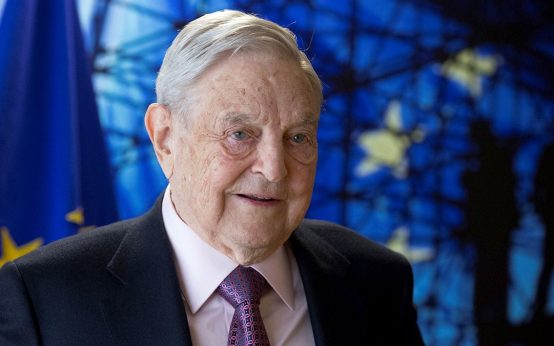 Michigan Senate Race Sees Influences from Soros-Linked Funding
 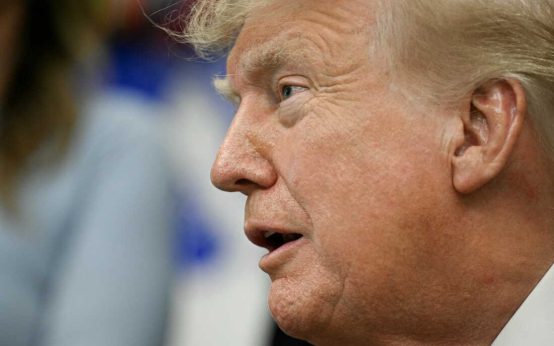 Trump Seeks Diplomatic Success at the U.N. Amid Challenges