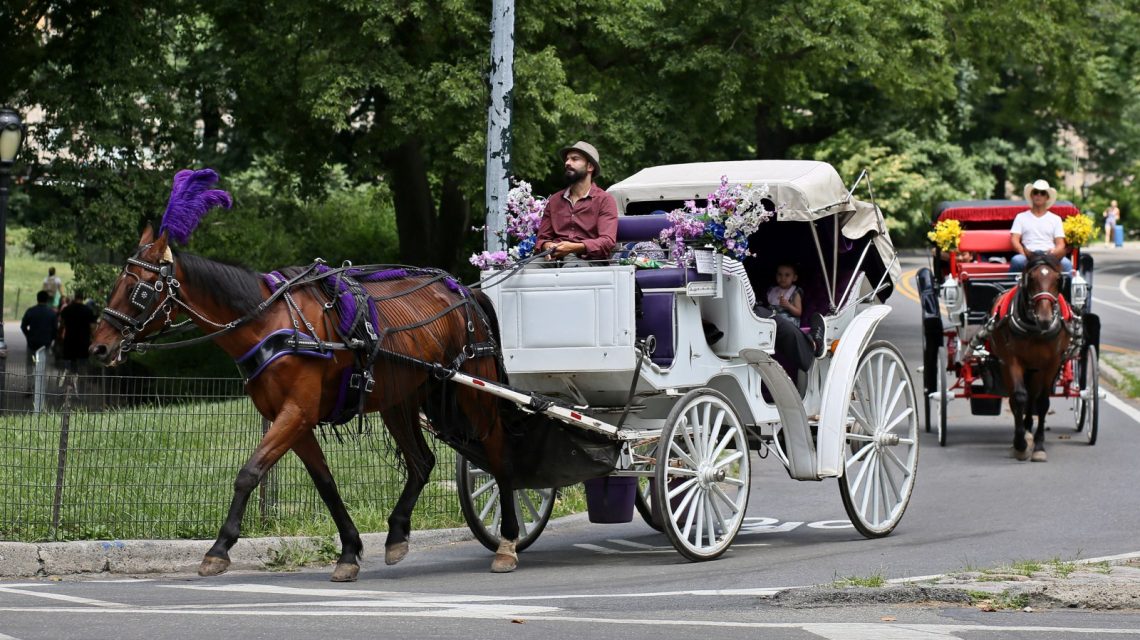
Horse-drawn carriage rides through Central Park have been a staple of New York City since the mid-1800s. However, a series of tragic incidents, including the death of an 18-year-old tourist, has reignited calls to ban the attraction.
While New York City regulates carriage rides, concerns remain about their safety. Advocates for Ryder’s Law argue that existing regulations are insufficient to protect horses and humans. Proposed in 2024, the bill seeks a ban on horse-drawn carriages in favor of alternative vehicles.
Understanding Ryder’s Law
Ryder’s Law proposes the phased elimination of the horse-drawn carriage industry in New York City, replacing it with electric carriages. Named after Ryder, a carriage horse that died after collapsing in Manhattan in 2022, the legislation was introduced following public outcry over his death.
The bill’s supporters have sought to stop new carriage licenses and ensure horses retire safely, avoiding slaughter. It gained backing from animal welfare groups and some elected officials but failed to advance in the City Council last year. Former Mayor Eric Adams supported the bill, citing safety risks for animals, pedestrians, and drivers.
Recently, efforts to pass the legislation were renewed after a tragic carriage accident involving Indian tourist Romanch Mahajan. Advocacy group New Yorkers for Clean, Livable, and Safe Streets has campaigned for its renaming to Romanch’s Law.
Recent Carriage Incidents
On June 9, Deniz, a 16-year-old carriage horse, collapsed and died in Central Park. The incident ignited criticism after a necropsy revealed Japanese yew ingestion, a toxic plant. Disputes arose between carriage operators and the Central Park Conservancy over safety measures.
On June 17, Mahajan suffered a fatal head injury after a horse bolted, causing the carriage to overturn. The driver allegedly stepped away to photograph the family, violating safety protocols. This incident drew national attention and fueled debates over the industry’s risks.
The Central Park Conservancy has reported several incidents in recent years. Examples include spooked horses causing accidents and collisions resulting in injuries.
Historical Context
Horse-drawn carriages have been present in New York City since the mid-19th century, aligning with Central Park’s creation in the 1850s. Evolving from transportation to tourism, these rides remain a cultural symbol. Historic photographs depict carriages traversing Central Park before cars dominated city streets.
Despite their cultural significance, critics argue tradition does not justify ignoring safety and animal welfare issues. Supporters of the industry emphasize its heritage and job preservation.
Carriage Ride Regulations
The carriage industry in New York City operates under strict regulations. Requirements include completing a course to obtain a driver’s license and limitations on horses’ working hours.
- Carriage horses may work up to nine hours in a 24-hour period.
- Riding horses may work up to eight hours in a 24-hour period.
- Carriage horses are entitled to at least five weeks of rest annually.
- Rental horses must undergo veterinary examinations at regular intervals.
Following Mahajan’s death, union officials stressed that drivers should not leave horses unattended. While supporting investigations into the crash, critics argue regulations are inadequate to mitigate risks in a densely populated urban environment.
Advocates insist that terminating the carriage industry is the only surefire way to prevent future tragedies.
 NATO’s Commander Warns of Strong Response to Potential Russian Aggression
  Selma Blair Arrested After Alleged Mid-Flight Incident
  Warnings Issued for Electric Vehicles Following Coastal Floods in Southern California
  Sean Combs Transported for Medical Treatment After Prison Injury
  Federal Judge Criticizes Trump Administration Over Tree Removal at Historic Golf Course
  Michael Jordan’s 1998 NBA Finals Jersey Sells for $14 Million