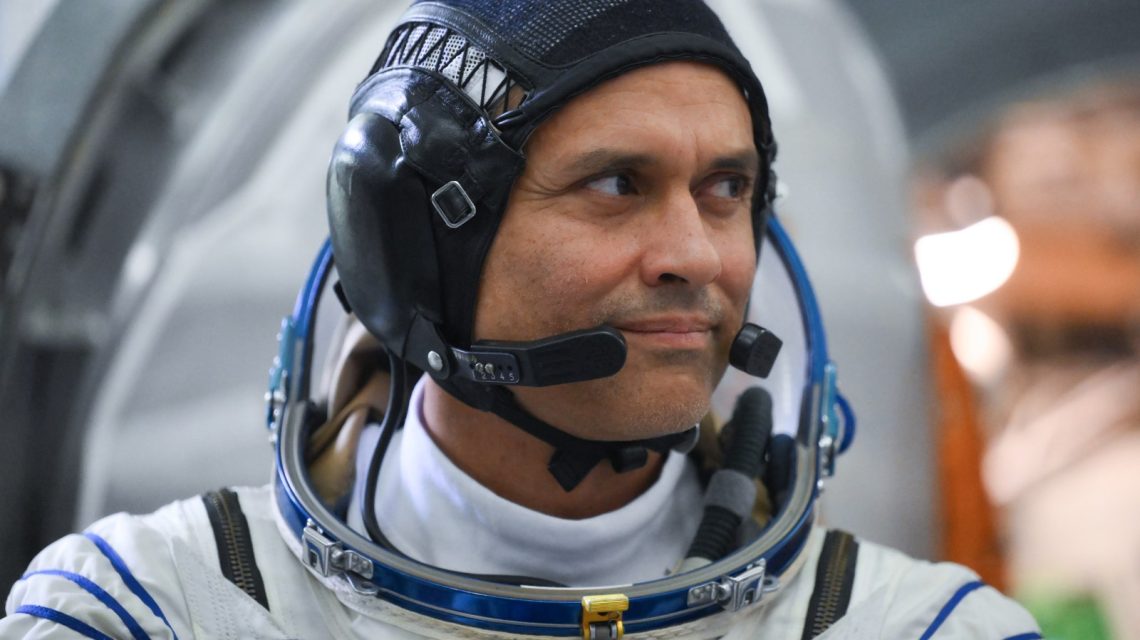
NASA astronaut Dr. Anil Menon, who is set to embark on an eight-month mission on the International Space Station (ISS), plans to explore the possibility of extraterrestrial life. Menon, a physician and U.S. Space Force colonel, will depart aboard the Soyuz MS-29 next month. His primary mission involves studying the physiological effects of extended space travel, but he also intends to search for microbiological life.
Testing for Microbial Life
Menon aims to discover whether bacteria can endure the harsh conditions of space on the station’s exterior. Previous findings suggested potential microbial survival, yet lacked rigorous controls. Menon hopes to address this with a tightly controlled experiment, providing clearer insights into life surviving in space. He plans to make these test results public, especially given recent UFO sightings declassification by the U.S. government.
“Now that it’s declassified, I could totally tell you if I encounter them. So I for sure will follow up with this if I have any interaction with extraterrestrials,” Menon stated.
Physiological Research in Space
Beyond extraterrestrial life, Menon will focus on the human body’s adaptation to space, leveraging his background in medicine and space health. Understanding these changes is crucial for future Mars missions, as astronauts face significant bone mass loss without proper countermeasures. Space station studies revealed that exercise can mitigate these effects, but Mars’ gravity presents further opportunities to simulate Earth-like conditions. Menon stressed humanity’s resilience but acknowledged other challenges, such as Mars’ toxic chemicals.
Personal Challenges and Contact
Menon expressed concern over missing family during his mission. However, he noted that video calls would help maintain connections with loved ones. His diverse background in medicine and engineering prepared him well for his upcoming role as a flight engineer, marking his transition to a space traveler.
Overview of the Mission
Menon will serve as flight engineer on Expedition 75, departing on the Soyuz MS-29 from Baikonur Cosmodrome. His mission alongside Russian cosmonauts entails extensive research, including examining blood flow and creating intravenous fluids from station water. These studies are pivotal for long-term lunar and Martian expeditions.
Implications for Mars Travel
The mission underscores the ISS’s role in paving the way to Mars and the moon, revealing environmental challenges like perchlorate presence. Menon discussed SpaceX’s role and challenges in developing point-to-point travel and Mars missions, highlighting the need for technological advancements and thoughtful approaches.
US UFO Sightings Declassification
This mission arrives amid increased interest in space phenomena as the U.S. recently declassified Unidentified Anomalous Phenomena (UAP) records. These documents include military reports and sensor data, fostering transparency. Despite some reports remaining unexplained, these do not constitute evidence of alien technology.
 OpenAI’s Complex Solution to Navier-Stokes Equations Stirs Debate
  Reassessing the Central Role of Rome in the Roman Empire’s Road Network
 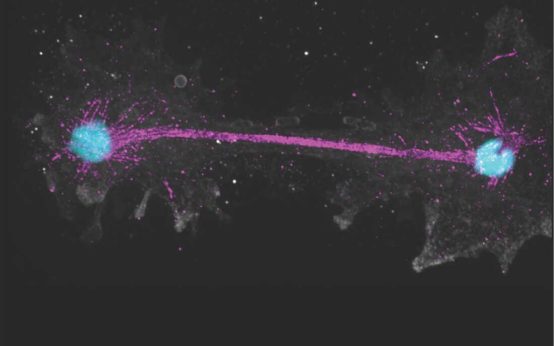 Fire Amoeba Discovery Challenges Limits of Complex Organisms
  Impact of Sleep Types on Disease Risk
 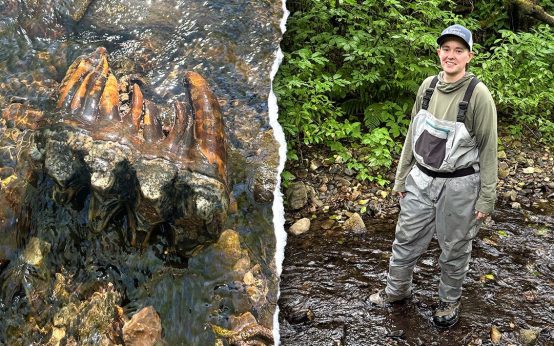 Ice Age Mastodon Tooth Unearthed in California Creek
 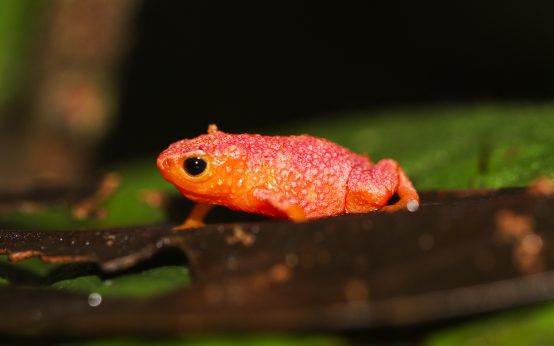 The Unique Challenges of the Pumpkin Toadlet