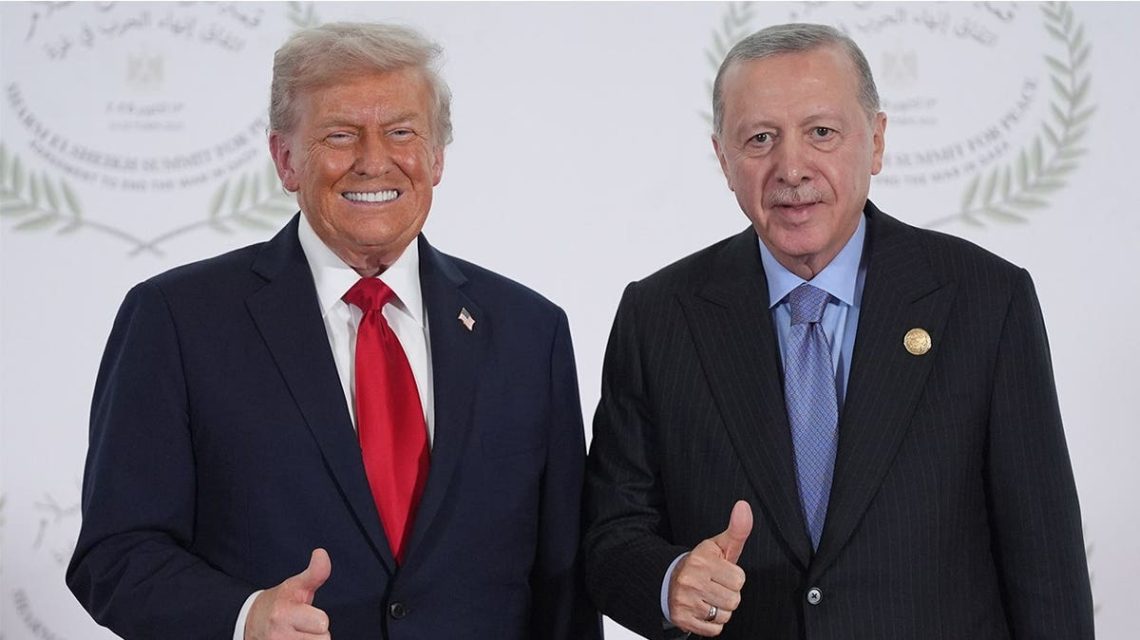
President Donald Trump revealed his primary reason for attending the NATO summit in Ankara, Turkey: the meeting with Turkish President Recep Tayyip Erdoğan. Trump described Erdoğan as a ‘friend’ and a ‘respected leader,’ suggesting the potential for improved defense cooperation between the U.S. and Turkey.
The summit, starting Tuesday in Ankara, marks a notable shift in relations between Washington and Turkey. Previously, tensions flared when Turkey acquired Russia’s S-400 air defense system in 2019, leading to its removal from the F-35 fighter program and subsequent U.S. sanctions against Turkey’s defense procurement agency. Despite ongoing disputes, analysts highlight Turkey’s growing strategic importance to NATO.
Former U.S. Ambassador to Turkey James Jeffrey emphasized Turkey’s critical role, noting Trump’s positive relationship with Erdoğan and Turkey’s strategic position. He stressed that Trump values Erdoğan for his decisive leadership style.
Turkey’s significance extends beyond personal relations, according to Jeffrey. Its military strength, geographic location, and willingness to project power make it essential for maintaining U.S. interests around Eurasia. As NATO reinstates its focus on collective defense, Turkey’s contributions have become increasingly valuable.
Can Kasapoğlu, a Senior Fellow at the Hudson Institute, highlighted the importance of member nations’ military capabilities within NATO. With NATO’s defense spending target set at 5% of GDP by 2025, Turkey, possessing the alliance’s second-largest military, is positioned for special treatment.
The geopolitical landscape has heightened Turkey’s strategic value. Russia’s invasion of Ukraine, regional instability, and developments in Syria underscore Turkey’s crucial role, analysts say. Jeffrey argued Turkey’s enforcement of the Montreux Convention, supply of Bayraktar drones to Kyiv, and mediation efforts between Ukraine and Russia have been pivotal.
Turkey’s involvement in Syria aligns strategically with Washington, according to Jeffrey. He credited Turkey’s support for the opposition that weakened Assad’s regime, impacting both Iran and Russia.
Despite its strategic value, Turkey’s foreign policy under Erdoğan diverges from many NATO allies. Issues include Turkey’s support for Hamas, possession of the S-400 system, and efforts to strengthen ties with BRICS and the Shanghai Cooperation Organization. These positions raise questions about deepening U.S.-Turkey defense ties.
Sinan Ciddi from the Foundation for Defense of Democracies noted Turkey’s unique position within NATO due to its associations with non-Western organizations and support for groups like Hamas. This stance has contributed to congressional pushback on U.S.-Turkey defense agreements.
The proposed $700 million arms sale to Turkey, including F110 fighter engines, has met resistance in Congress. Concerns center on Turkey’s ongoing possession of the S-400 system. Critics argue restoring Turkey to the F-35 program remains problematic due to technical risks concerning sensitive U.S. technology.
 Ukraine Missile and Drone Barrage Hits Russia Amidst Elections
  A Mother’s Tragic Journey Under Abortion Ban
  U.S. Strategic Goals Remain Unmet Amid Prolonged Conflict
  New Photos Reveal Damage from Iranian Strikes in the Middle East
  Assassin of Chilean Diplomat Orlando Letelier Faces Deportation 50 Years After Assassination
  Gorillaz and Macklemore Respond to Controversy Over Israel-Palestine Statements